



Is there anything more evocative of the holiday season than the scent of warm spices wafting through a cozy kitchen? If you have ever strolled through a German Christmas market (Weihnachtsmarkt), you know exactly what I mean. Today, we are bringing that magic home with this Authentic German Pfeffernüsse recipe.
- Ingredients
- Timing
- Step-by-Step Instructions
- Step 1: Cream the Butter and Sugar
- Step 2: Incorporate Honey and Aromatics
- Step 3: Form the Dough
- Step 4: Let the Dough Rest
- Step 5: Shape and Bake
- Step 6: The Lemon Glaze
- Step 7: The Chocolate Finish
- Nutritional Information
- Healthier Alternatives
- Serving Suggestions
- Common Mistakes to Avoid
- Storing Tips
- Conclusion
- FAQs
- Q1. Why are they called “Pepper Nuts”?
- Q2. Can I use store-bought Gingerbread Spice?
- Q3. My dough is too sticky to roll. What should I do?
- Authentic German Pfeffernüsse: Traditional Pepper Nuts Recipe
These “pepper nuts” are a staple of European baking, renowned for their complex flavor profile that marries sweet honey, earthy nuts, and a kick of white or black pepper. Unlike the rock-hard store-bought versions you might be used to, these homemade cookies are tender, aromatic, and finished with a zesty lemon glaze and a luxurious dark chocolate base.
Making Authentic German Pfeffernüsse is more than just baking; it is a lesson in patience and flavor development. The secret lies in the spice blend and the resting time, allowing the dough to mature. Whether you are building a festive cookie platter or looking for a unique treat to pair with your afternoon coffee, this recipe delivers a taste of Old World tradition that will surprise and delight your palate.
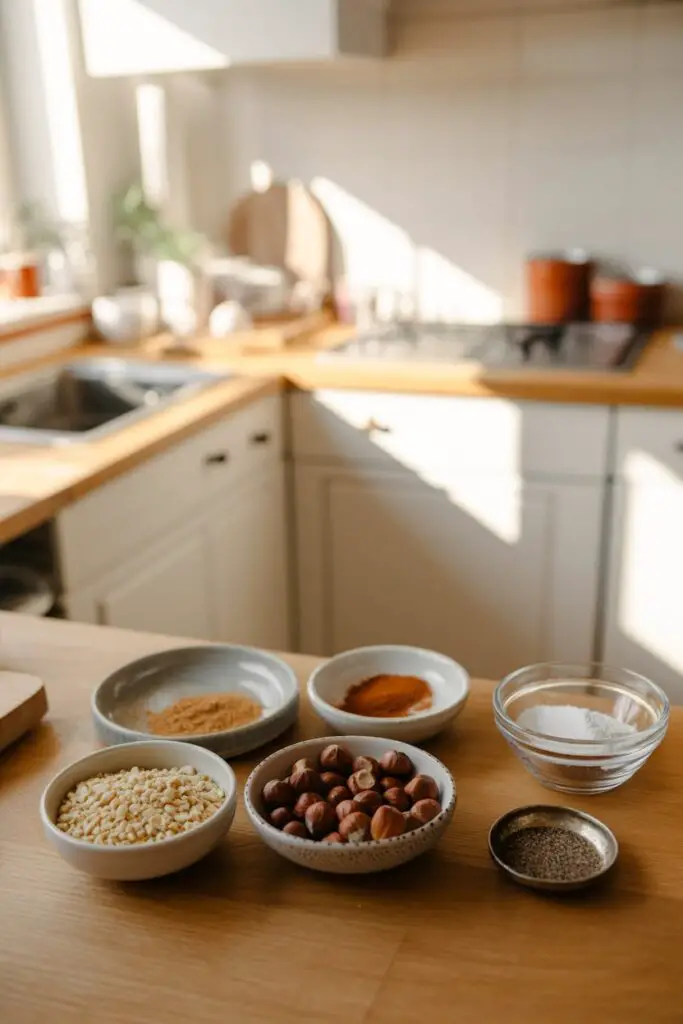
Ingredients
To achieve the perfect texture and flavor, precision is key. Here is what you will need for your German baking adventure.
| Ingredient | Amount/Quantity | Notes |
| Butter | 80 g | Softened; adds richness. |
| Granulated Sugar | 100 g | Provides sweetness and structure. |
| Egg | 1 medium | Room temperature for better emulsion. |
| Honey | 100 g | Adds moisture and distinct flavor. |
| All-Purpose Flour | 250 g | (Type 405 in Germany/Cake Flour in USA). |
| Ground Almonds | 50 g | Adds nuttiness and moisture. |
| Ground Hazelnuts | 50 g | A classic German baking staple. |
| Gingerbread Spice | 2 tsp | Use a high-quality blend or homemade Lebkuchen spice. |
| Black Pepper | ¼ tsp | Optional but recommended for that signature “bite.” |
| Baking Powder | 1 tsp | The leavening agent for a slight rise. |
| Powdered Sugar | 75 g | For the lemon glaze. |
| Lemon Juice | 2 tbsp | Freshly squeezed is best. |
| Dark Chocolate | 100 g | For dipping the bottoms. |

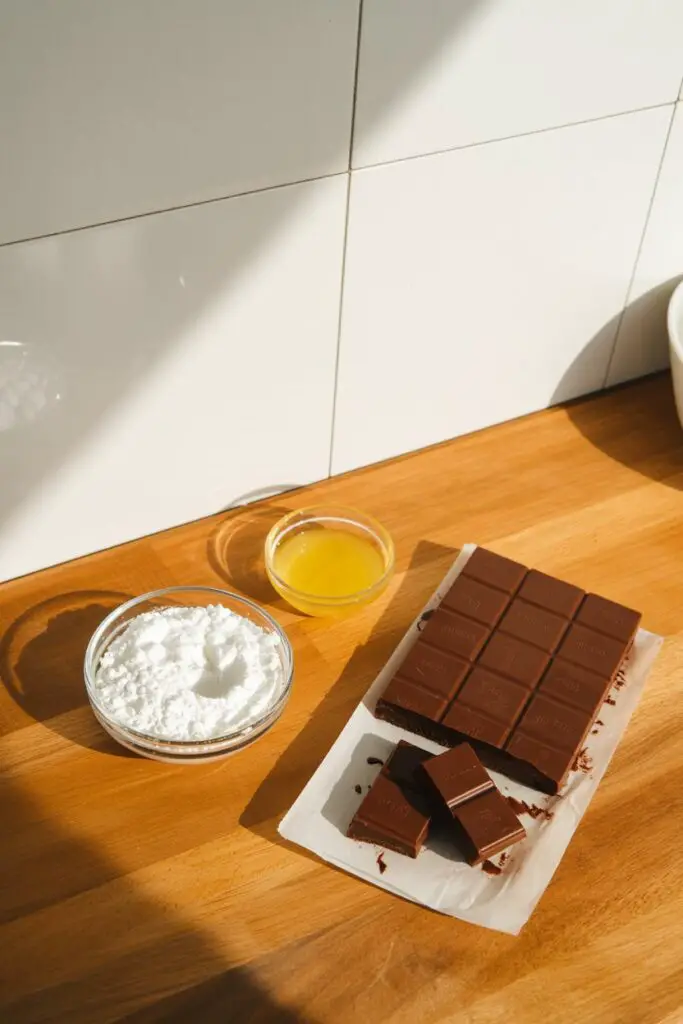
Timing
Pfeffernüsse require a bit of patience, as the resting period is crucial for the spices to permeate the dough.
- Prep Time: 20 minutes
- Resting Time: 1 hour (minimum) to overnight
- Cook Time: 15 minutes
- Total Time: ~1 hour 35 minutes (mostly passive time)
Note: While this takes longer than a drop cookie, the resting time makes the dough easier to handle and significantly improves the flavor.
Step-by-Step Instructions
Step 1: Cream the Butter and Sugar
Using a hand mixer or a stand mixer fitted with the paddle attachment, mix the 80g of butter and 100g of granulated sugar until the mixture is pale and creamy. Once smooth, add the egg and beat until fully incorporated.
Step 2: Incorporate Honey and Aromatics
If your honey has crystallized or is very stiff, gently warm it until it is liquid. Add the honey to the butter mixture along with the 2 teaspoons of gingerbread spice, ¼ teaspoon of black pepper, 50g ground almonds, and 50g ground hazelnuts. Mix on low speed until combined.
Step 3: Form the Dough
Add the 250g of flour and 1 teaspoon of baking powder to the bowl. Knead the ingredients—either with the mixer’s dough hook or by hand—until a smooth, cohesive dough forms. It should be slightly sticky but manageable.
Step 4: Let the Dough Rest
This is the most critical step for Authentic German Pfeffernüsse. Wrap the dough in plastic wrap or place it in an airtight container. Leave the dough to rest at room temperature for at least one hour, or preferably overnight.
- Why wait? This allows the gluten to relax and the spices to fully “bloom” and unfold their flavor throughout the dough.
Step 5: Shape and Bake
Preheat your oven to 160°C (320°F) and line a baking tray with parchment paper. Take small portions of the dough and roll them into balls roughly the size of a walnut.
- Tip: For uniform cookies, weigh each ball (approx. 15-20g each).Place them on the baking sheet, leaving some space between them as they will expand slightly. Bake for about 15 minutes. The cookies should feel firm to the touch but not hard. Transfer to a wire rack to cool slightly.
Step 6: The Lemon Glaze
While the cookies are cooling, prepare the icing. Sift the 75g of powdered sugar into a medium bowl to remove lumps. Add the 2 tablespoons of lemon juice and whisk until smooth.
- Consistency Check: If the glaze is too runny, add a teaspoon more sugar. If too stiff, add a drop more juice.Prick the bottom of the warm cookies lightly with a fork, then dip the rounded tops into the glaze. Place them on a wire rack to drain and dry completely.
Step 7: The Chocolate Finish
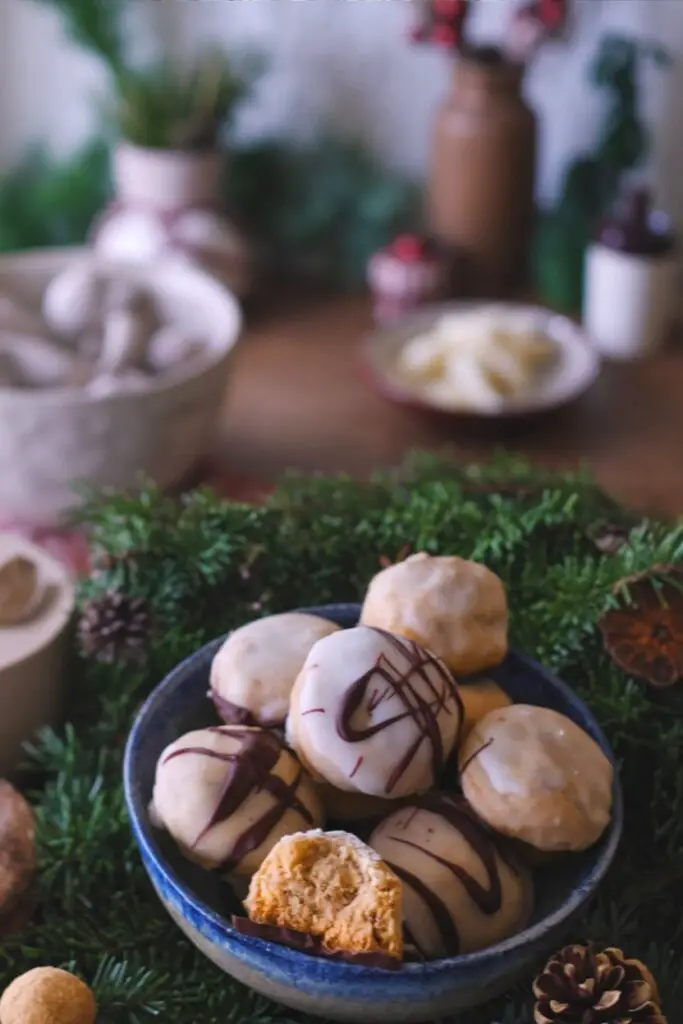
Once the lemon glaze is fully dry, prepare the final layer. Melt the 100g of dark chocolate in a heatproof bowl set over a pot of simmering water (bain-marie). Dip the bottom of each cookie into the melted chocolate. Place the cookies upside down or on their side on parchment paper to set.
- Garnish: For an extra flourish, you can drizzle any remaining chocolate over the tops of the cookies.
Nutritional Information
Here is the estimated nutritional breakdown per cookie (assuming a batch of approx. 25 cookies):
- Calories: ~95 kcal
- Carbohydrates: 12 g (Sugar: 8 g)
- Fat: 5 g (Saturated: 2.5 g)
- Protein: 1.5 g
- Fiber: 0.5 g
Note: The nuts provide healthy fats and Vitamin E, while the spices like cinnamon and cloves contain antioxidants.
Healthier Alternatives
If you want to enjoy these spiced treats with a specific dietary focus, try these modifications:
- Gluten-Free: Substitute the all-purpose flour with a high-quality 1:1 Gluten-Free Baking Flour blend. Ensure the blend contains xanthan gum to prevent the cookies from crumbling.
- Refined Sugar-Free: Swap the granulated sugar for coconut sugar (which adds a nice caramel note) and use a sugar-free powdered sweetener (like erythritol) for the glaze.
- Dairy-Free: Replace the butter with a plant-based butter block or solidified coconut oil. Use dairy-free dark chocolate for the dipping step.
- Whole Grain: Use spelt flour or whole wheat pastry flour for half of the flour amount. This adds a nuttier flavor that complements the hazelnuts perfectly.
Serving Suggestions
These Authentic German Pfeffernüsse are versatile and perfect for the holiday season.

- The Classic Pairing: Serve alongside a steaming mug of Glühwein (mulled wine) or a dark roast coffee. The slight bitterness of the coffee balances the sweet glaze.
- Holiday Platter: Arrange them on a plate with other German classics like Vanillekipferl (vanilla crescents) and Zimtsterne (cinnamon stars).
- Edible Gifts: Pack them in cellophane bags tied with a rustic ribbon. Because they improve with age, they are excellent for shipping to friends and family.
Common Mistakes to Avoid
Even with a simple recipe, a few pitfalls can affect the final result.
- Skipping the Resting Time: If you bake immediately, the cookies may spread too much and the flavor will be flat. Solution: Patience! Give the dough at least an hour.
- Overbaking: The cookies will continue to harden as they cool. If you bake them until they are hard in the oven, they will be rock-hard later. Solution: Remove them when they are firm but still have a slight give.
- Glazing Hot Cookies: If the cookies are piping hot, the glaze will melt and run off entirely. Solution: Let them cool for at least 10 minutes before dipping in the lemon glaze.
- Burning the Chocolate: Chocolate seizes if it gets too hot or touches water. Solution: Keep the heat low on your water bath and ensure the bowl doesn’t touch the water.
Storing Tips
One of the best qualities of Pfeffernüsse is their shelf life.
- Room Temperature: Store the cookies in an airtight tin or container. They will stay fresh for 2 to 3 weeks.
- The Apple Trick: If the cookies become too hard over time, place a slice of fresh apple in the tin for 24 hours. The cookies will absorb the moisture and soften up again.
- Freezing: You can freeze the raw dough balls for up to 3 months. Thaw them in the fridge overnight before baking. You can also freeze the baked (unglazed) cookies.
Conclusion
Baking this Authentic German Pfeffernüsse recipe is a wonderful way to slow down and enjoy the sensory pleasures of the season. The combination of the spicy, tender crumb with the bright lemon glaze and rich chocolate bottom creates a symphony of textures and flavors that you simply cannot get from a box.
We hope this recipe becomes a new tradition in your home. Try it out and let us know in the comments how they turned out! Did you add the black pepper for that extra kick? We’d love to hear your feedback. Don’t forget to rate the recipe and subscribe to our blog for more global culinary inspiration delivered straight to your inbox.
FAQs
Q1. Why are they called “Pepper Nuts”?
The name comes from the German words Pfeffer (pepper) and Nüsse (nuts). While they contain nuts (almonds and hazelnuts), the “nut” part refers more to their small, walnut-like shape. The “pepper” refers to the white or black pepper added to the spice blend, which was a rare and precious ingredient when the recipe originated.
Q2. Can I use store-bought Gingerbread Spice?
Absolutely. In Germany, this is sold as Lebkuchengewürz. If you can’t find it, you can make your own by mixing cinnamon, cloves, allspice, nutmeg, cardamom, and ginger.
Q3. My dough is too sticky to roll. What should I do?
If the dough is unmanageable after mixing, chill it in the refrigerator for 30 minutes. Cold butter makes the dough much easier to handle. Wetting your hands slightly with water can also help prevent sticking while rolling the balls.
PrintAuthentic German Pfeffernüsse: Traditional Pepper Nuts Recipe
- Total Time: 1 hour 35 minutes
- Yield: 25 Cookies 1x
- Diet: Vegetarian
Description
Is there anything more evocative of the holiday season than the scent of warm spices wafting through a cozy kitchen? These “pepper nuts” are a staple of European baking, renowned for a complex flavor profile that marries sweet honey, earthy nuts, and a kick of pepper. Unlike rock-hard store-bought versions, these homemade cookies are tender, aromatic, and finished with a zesty lemon glaze and a luxurious dark chocolate base. This recipe is a lesson in patience and flavor development, delivering a taste of Old World tradition.
Ingredients
For the Dough:
-
80 g Butter, softened
-
100 g Granulated Sugar
-
1 medium Egg, room temperature
-
100 g Honey
-
250 g All-Purpose Flour (Type 405 in Germany / Cake Flour in USA)
-
50 g Ground Almonds
-
50 g Ground Hazelnuts
-
2 tsp Gingerbread Spice (Lebkuchen spice)
-
1/4 tsp Black Pepper (optional but recommended)
-
1 tsp Baking Powder
For the Glaze & Finish:
-
75 g Powdered Sugar
-
2 tbsp Fresh Lemon Juice
-
100 g Dark Chocolate
Instructions
- Cream Butter and Sugar: Using a mixer, beat the butter and sugar until pale and creamy. Add the egg and beat until fully incorporated.
- Incorporate Honey and Aromatics: If the honey is stiff, warm it slightly. Add honey, gingerbread spice, black pepper, ground almonds, and ground hazelnuts to the mixture. Mix on low speed until combined.
- Form the Dough: Add the flour and baking powder. Knead (with dough hook or by hand) until a smooth, slightly sticky, cohesive dough forms.
- Let the Dough Rest: Wrap the dough in plastic wrap or place in an airtight container. Let it rest at room temperature for at least one hour, or preferably overnight. This allows the spices to “bloom” and the gluten to relax.
- Shape and Bake: Preheat oven to 160°C (320°F). Roll dough into walnut-sized balls (approx. 15-20g each). Place on a parchment-lined tray with space between them. Bake for 15 minutes. They should be firm but not hard. Cool slightly on a rack.
- The Lemon Glaze: Sift the powdered sugar into a bowl. Whisk in the lemon juice until smooth. Prick the bottoms of the warm cookies lightly with a fork, then dip the rounded tops into the glaze. Let dry on a rack.
- The Chocolate Finish: Melt the dark chocolate over a bain-marie (simmering water). Dip the bottom of each dry cookie into the chocolate. Place cookies on their side or upside down on parchment to set.
Notes
- Resting Time: Do not skip the resting step! It is critical for the spices to permeate the dough and for the flavor to mature.
- Flour Type: Using pastry/cake flour (Type 405) yields a more tender crumb compared to standard bread flour.
- Glaze Consistency: If the glaze is too runny, add a teaspoon more sugar. If too stiff, add a drop more juice.
- Uniformity: Weighing the dough balls ensures they bake evenly.
- Prep Time: 20 minutes
- Resting Time: 1 hour (minimum)
- Cook Time: 15 minutes
- Category: Dessert, Holiday, Cookies
- Method: Baking
- Cuisine: German
Nutrition
- Serving Size: 1 cookie
- Calories: 95 kcal
- Sugar: 8 g
- Sodium: 20 mg
- Fat: 5 g
- Saturated Fat: 2.5 g
- Unsaturated Fat: 2.5 g
- Trans Fat: 0 g
- Carbohydrates: 12 g
- Fiber: 0.5 g
- Protein: 1.5 g
- Cholesterol: 15 mg