


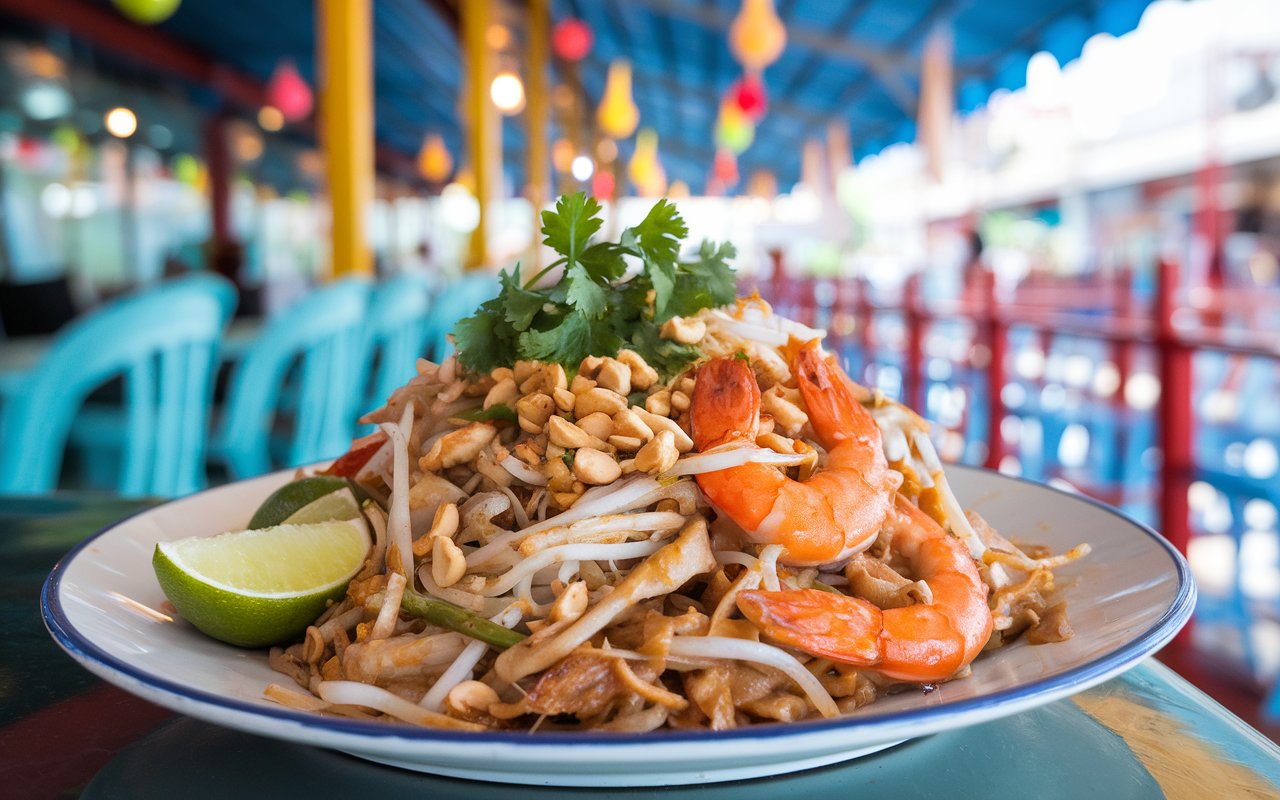
Vibrant, sweet-tangy, and full of contrasting textures, Pad Thai stands among the most recognizable Thai dishes worldwide. But beneath its global popularity lies a humble origin as Thai street food—a quick stir-fry of rice noodles, egg, tofu or shrimp, peanuts, bean sprouts, and chives, all tossed in a distinctive sauce that balances sweet, sour, and salty notes. In Authentic Pad Thai with Tamarind Sauce – Classic Thai Street Food!!!, we’ll capture the essence of this beloved stir-fry by focusing on fresh ingredients, careful cooking techniques, and (most importantly) a sauce anchored by tangy tamarind.
- Why Pad Thai?
- Key Ingredients in Table Form
- The Sauce: Heart of Pad Thai
- Step-by-Step Instructions
- 1. Soften Rice Noodles (10–15 minutes)
- 2. Prep the Sauce (5 minutes)
- 3. Gather Stir-Fry Ingredients (5 minutes)
- 4. Stir-Fry Time (6–8 minutes)
- 5. Plate & Garnish (1 minute)
- Achieving Authentic Texture
- Serving Suggestions
- Variations & Tips
- Storing & Reheating
- Frequently Asked Questions
- Conclusion
In the sections that follow, you’ll discover the soul of Pad Thai: how to select the right rice noodles, achieve a harmonious sweet-sour-salty-spicy flavor profile, and put it all together with speed and grace. We’ll also explore ingredient substitutions, cultural tidbits, and a step-by-step approach that demystifies the stir-fry process. By the end, you’ll be equipped to create a plate of noodles that tastes like it came straight from a bustling Bangkok street vendor.

Why Pad Thai?
- Balanced Taste
Pad Thai stands out for its perfect collision of sweet palm sugar, sour tamarind, salty fish sauce, and a subtle chili kick—no single flavor dominates. - Textural Variety
Chewy rice noodles, crunchy peanuts, crisp sprouts, and soft eggs unify each mouthful with complexity. - Quick Cooking
While preparing the sauce and ingredients might take some time, the actual stir-fry in a hot wok typically finishes in minutes. - Cultural Staple
Once a dish introduced during Thai economic reforms, it’s now an iconic national meal that resonates with locals and travelers alike.
Key Ingredients in Table Form
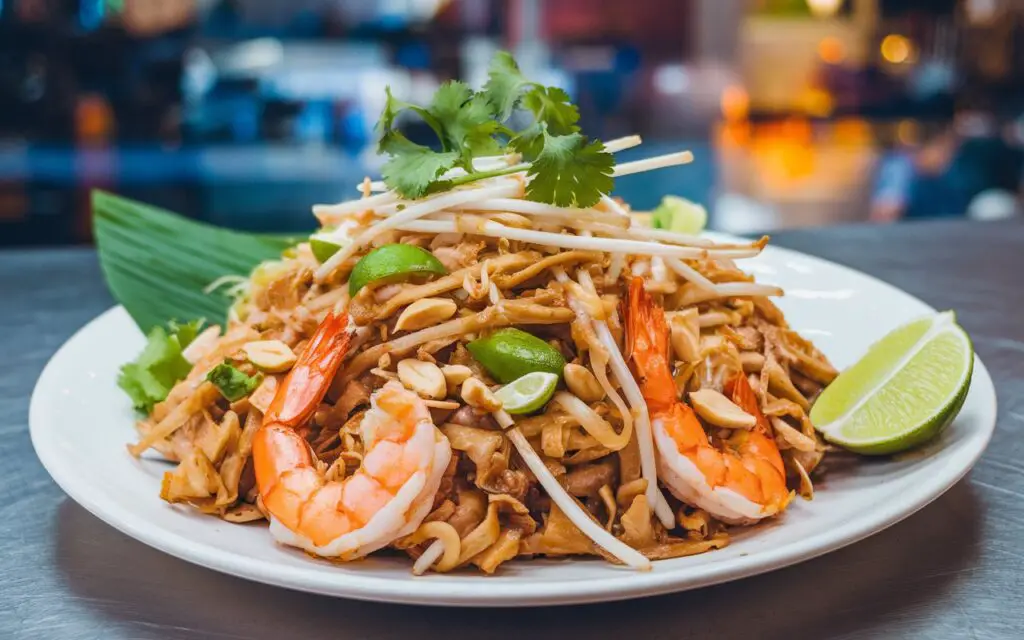
Below is a concise overview of the main elements you’ll need for a classic Pad Thai (2–3 servings):
| Ingredient | Quantity | Purpose / Notes |
|---|---|---|
| Rice Noodles (medium-width) | ~6–8 oz (dried) | The foundation; choose Thai-style rice sticks that soften quickly. |
| Protein (shrimp/tofu/chicken) | 8–12 oz | Commonly shrimp or firm tofu. Chicken or a combination is also typical. |
| Eggs | 2 large | Stir-fried into noodles, adding richness and texture. |
| Bean Sprouts | 1 cup | Fresh crunch, essential finishing ingredient. |
| Garlic Chives or Green Onions | 1/2 cup (chopped) | Stir-fry add-in, plus garnish. |
| Crushed Peanuts | ~1/4 cup | Traditional topping, provides nutty crunch. |
| Tamarind Paste/Concentrate | 1–2 tbsp | Creates the sour backbone of the sauce. |
| Palm Sugar (or Brown Sugar) | ~2 tbsp | Sweet component to balance tamarind’s tartness. |
| Fish Sauce | 1–2 tbsp | Salty, umami element. Soy sauce can sub if vegetarian. |
| Chili Flakes or Fresh Chili | To taste | Optional heat, typical in many Thai versions. |
| Oil (peanut/vegetable) | ~2–3 tbsp | High smoke-point oil for stir-frying. |
| Optional Garnishes (lime, cilantro) | As desired | Lime wedges, fresh herbs to brighten the final dish. |
The Sauce: Heart of Pad Thai
Authentic Pad Thai sauce typically revolves around a trinity of sour tamarind, salty fish sauce, and sweet palm sugar. The ratio can be fine-tuned based on taste preference. When you combine these, you create a complex sauce that’s simultaneously tangy, savory, and faintly caramel-like. Some cooks also include a hint of dark soy sauce for color or a dash of sriracha or dried chili for spice. But the backbone remains tamarind for that characteristic tang—omitting it can lead to a stir-fry that’s sweet or salty but lacks the distinctive sour undercurrent.
Step-by-Step Instructions
1. Soften Rice Noodles (10–15 minutes)
- Soak or Boil: Read package directions—some call for a quick soak in hot water, others a short boil. Aim for noodles that are pliable but not fully cooked.
- Rinse & Drain: Prevent overcooking by rinsing with cold water. Toss with a bit of oil to keep them from sticking.
2. Prep the Sauce (5 minutes)
- Tamarind Solution: If using tamarind paste, dissolve 1–2 tablespoons in warm water (about 2–3 tbsp) to form a thick, pourable consistency. Alternatively, measure tamarind concentrate sparingly—it’s stronger.
- Combine: In a small bowl, mix tamarind with ~2 tablespoons fish sauce and 2 tablespoons palm sugar. Adjust sweetness or saltiness as needed. If you want more chili heat, incorporate it here or wait until stir-fry.
3. Gather Stir-Fry Ingredients (5 minutes)
- Proteins: If using shrimp, peel and devein. For tofu, press to remove excess water, then cut into cubes. For chicken, slice thinly.
- Veggies: Rinse bean sprouts, chop garlic chives. Have them within arm’s reach.
- Eggs: Beat them lightly in a small bowl.
4. Stir-Fry Time (6–8 minutes)
- Heat the Wok: Over high heat, add 2 tablespoons of oil. Let it shimmer.
- Cook Protein: Stir-fry shrimp/tofu/chicken until just done. Remove and set aside.
- Sauté Aromatics: In the same wok, add a little more oil if necessary. Toss in minced garlic (and onion, if desired). Stir quickly, ~30 seconds.
- Egg: Push aromatics aside, pour in beaten eggs. Scramble gently.
- Noodles & Sauce: Add softened noodles, returning protein as well. Drizzle the prepared sauce over everything, tossing vigorously.
- Bean Sprouts & Chives: Stir them in last, so they stay crisp. Cook ~30 seconds.
- Taste & Adjust: If bland, add more fish sauce or a pinch of salt. Too sour? Sprinkle sugar or add a bit more fish sauce. Too salty? A squeeze of lime or more tamarind might help.
5. Plate & Garnish (1 minute)
- Peanuts: Sprinkle crushed peanuts on top for crunch.
- Lime Wedges: Serve on the side or squeeze directly over noodles for a fresh citrus note.
- Optional Toppings: Fresh chili slices, extra bean sprouts, or cilantro leaves.
Achieving Authentic Texture
High Heat: A blazing-hot wok ensures noodles stir-fry rather than steam.
Quick Hands: Minimizing time in the pan keeps noodles from overcooking or becoming mushy.
Sauce Absorption: The half-cooked noodles soak up flavor better than fully cooked ones.
Oil: Don’t skimp on oil, as it helps prevent clumping and scorching.
Serving Suggestions
- Pickled Veggies: Some enjoy a side of pickled radish or carrot for extra tang.
- Green Papaya Salad: Pair with another Thai staple for a variety of flavor and texture.
- Thai Iced Tea: A sweet, milky counterpoint to the tangy, savory Pad Thai.
Variations & Tips
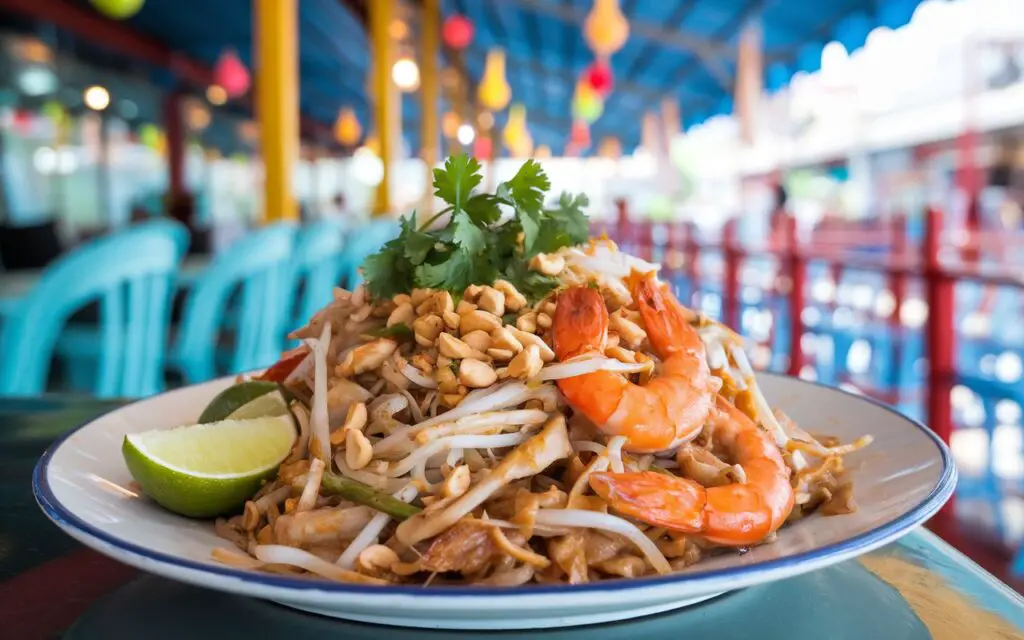
- Vegetarian/Vegan: Replace fish sauce with soy sauce or a vegan fish sauce alternative. Tofu can be the main protein.
- Sugar Choices: Palm sugar is traditional. Brown sugar is an acceptable sub; just note the flavor might differ.
- Crunch Factor: Add extra peanuts or even roasted cashews.
- Heat Control: Spice can come from fresh Thai chilies, chili flakes, or chili paste. Adjust to your tolerance.
Storing & Reheating
- Refrigeration: Leftovers keep up to 2 days in a sealed container. The noodles may absorb more sauce and stick together.
- Reheat: A quick re-stir in a hot pan with a tablespoon of water or leftover sauce helps restore some of the texture. Microwave can make noodles overly soft.
Frequently Asked Questions
Q1: Is tamarind essential?
For authentic flavor, yes. You can replicate sourness with lime or vinegar, but you miss out on tamarind’s unique sweetness.
Q2: Can I skip palm sugar?
You can use white or brown sugar. Brown sugar is closer in flavor, but palm sugar yields the best authenticity.
Q3: Why do my noodles turn soggy?
Probably over-soaked or you left them in the wok too long. Soak them just enough to be pliable and keep stir-frying brief.
Q4: My sauce is too salty—help!
Add a bit more palm sugar or tamarind water. Alternatively, toss in more noodles or bean sprouts to distribute the salt.
Q5: Could I add more veggies (like carrots, broccoli)?
Yes, though it may deviate from classic Pad Thai. Par-cook or slice them thinly so they don’t overshadow the quick stir-fry.
Conclusion
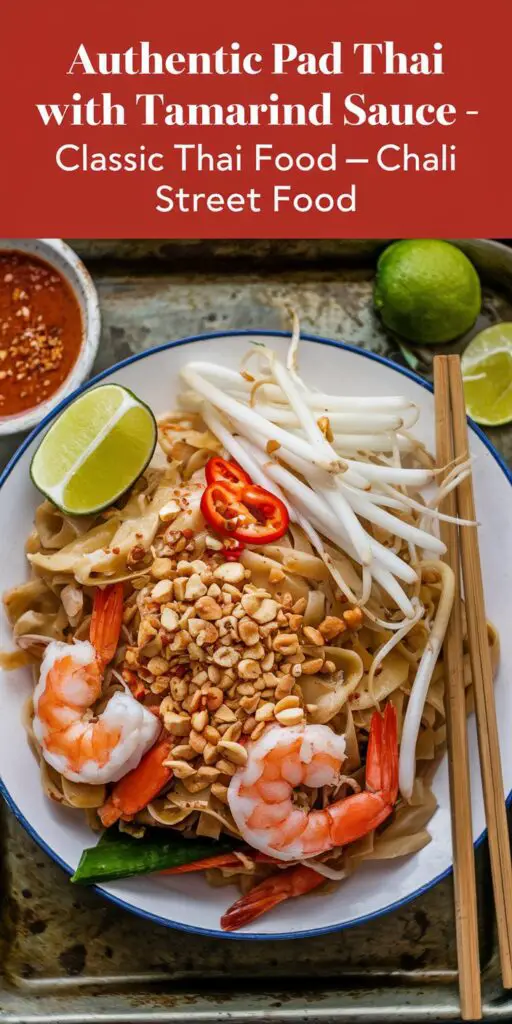
Authentic Pad Thai with Tamarind Sauce – Classic Thai Street Food!!! proves that a well-balanced stir-fry can achieve near-legendary status. The dance of tangy tamarind, savory fish sauce, gentle sweetness, and a hint of chili warmth, all layered over springy rice noodles, defines Pad Thai’s universal appeal. While it demands some preparation—soaking noodles, assembling sauce—the actual cooking is a brief but exhilarating process that rewards you with a fragrant, flavor-packed plate.
Embrace this method as a template for exploring Thai-inspired cooking. Once you master the sauce ratio and quick stir-fry technique, you can adapt the protein (shrimp, tofu, chicken) or veggies to personal preference. Whether you crave a taste of Bangkok street stalls or simply want a go-to dish for impressing dinner guests, your homemade Pad Thai will shine with authenticity and that unmistakable tamarind tang. Gather your ingredients, fire up the wok, and let this beloved Thai classic find a home in your kitchen.