


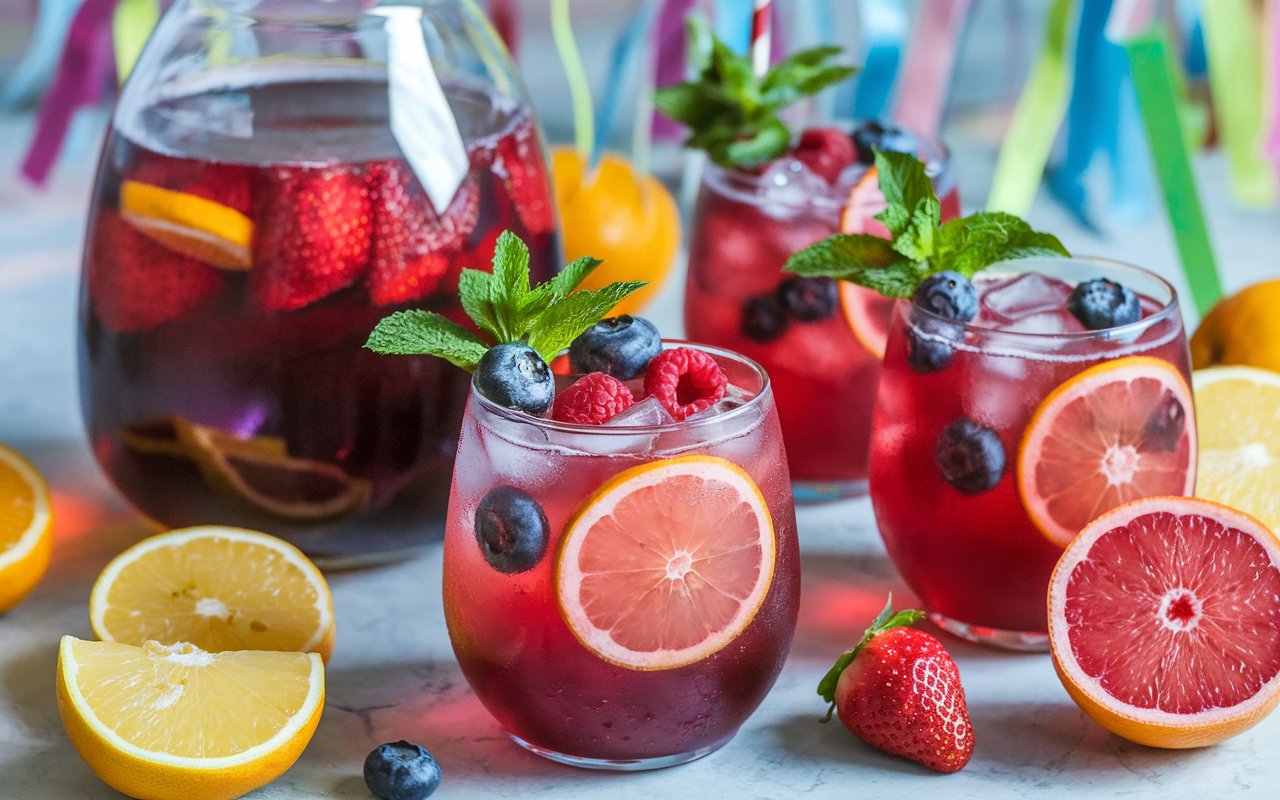
When the heat of summer days or festive gatherings beckons for a refreshing beverage, sangria often steps in as a fruit-filled, celebratory drink. Yet, imagine giving that fruit-and-wine punch a probiotic twist by incorporating kombucha—the tangy, fermented tea now beloved for its gut-friendly benefits. Berry Kombucha Sangria merges the best of both worlds: the vibrant flavors and fruits reminiscent of classic sangria, and the sparkling, slightly sour edge of kombucha that teases the palate. Each sip offers effervescence, subtle tartness, and fruity undertones, creating a party-friendly punch that’s lighter and possibly kinder to your digestion than standard sangria.
- Section 1: Why Berry Kombucha Sangria Sparkles
- Section 2: Ingredient Overview
- Section 3: Step-by-Step Recipe (Approx. 15–20 Minutes, plus chilling)
- Section 4: Flavor Variations & Adjustments
- Section 5: Balancing Sweetness & Tang
- Section 6: Serving & Storage Suggestions
- Section 7: FAQ – Berry Kombucha Sangria
- Conclusion
My own introduction to kombucha-based sangria happened when I craved the traditional sangria’s color and festivity but hoped for a less sugary, more effervescent alternative. By mixing a fruity red or rosé wine with a berry-flavored kombucha, plus fresh berries, I discovered a bright blend that needed minimal sweetener. The bubbles from kombucha added a celebratory fizz reminiscent of sparkling wine, yet the beverage retained a laid-back sangria vibe—perfect for barbecues, brunches, or just a weekend gathering with friends. Now, Berry Kombucha Sangria stands out as my go-to whenever I want a punch that’s both lively and mildly health-conscious.
In this article, we’ll explore how to craft Berry Kombucha Sangria—selecting and balancing your fruit, wine, and kombucha, plus optional add-ins to accentuate flavor. Whether you’re a kombucha fan wanting to expand its use or a sangria lover yearning for a modern twist, prepare for a probiotic party punch that’s as easy to make as it is fun to share.
Section 1: Why Berry Kombucha Sangria Sparkles

- Probiotic Punch
Traditional sangria can be sweet and occasionally heavy. Adding kombucha, with its natural carbonation and tang, offers a refreshing dimension plus potential benefits from fermented tea cultures. - Effervescent Lightness
The mild fizz from kombucha ensures the sangria feels lighter than standard wine-based punches, reducing the need for soda or seltzer typically used in some sangria recipes. - Berry Burst
Using fresh berries (strawberries, raspberries, blueberries) enhances the color and brings natural sweetness. Combined with a berry-flavored kombucha or neutral variety, you get a harmonious fruit infusion. - Versatility & Customization
If you prefer a drier taste, pick a drier wine or skip sweeteners. If you want more sweetness, add honey or fruit juice. You can also modulate the kombucha ratio for stronger or subtler acidity.
Section 2: Ingredient Overview
Use this table for about a pitcher that serves 6–8 glasses:
| Ingredient | Quantity | Notes |
|---|---|---|
| Wine (red or rosé) | 1 bottle (750 ml) | Pick a fruit-forward variety; pinot noir or a light rosé can be ideal |
| Kombucha (berry-flavored or plain) | ~2–3 cups | Adjust quantity for fizz level; choose a flavor that complements berries |
| Mixed Berries (fresh or frozen) | ~2 cups total | Sliced strawberries, raspberries, blueberries, blackberries, etc. |
| Optional Fruit (citrus slices, peaches) | ~1 cup slices if desired | Additional fruit layers color and flavor |
| Sweetener (optional) | 1–2 tbsp honey, sugar, or none | If needed, depending on dryness of wine/kombucha |
| Liqueur (optional) | ~¼–½ cup brandy, triple sec, etc. | For a boozier sangria, though you can skip for a lighter beverage |
| Ice Cubes (for serving) | As needed | Add to individual glasses to keep sangria chilled |
| Garnish (mint leaves, lemon slices) | handful or a few slices | For a bright finishing touch |
(Note: The color and flavor synergy is best if your kombucha coordinates with your fruit. For instance, berry or ginger-lime kombucha can enhance the sangria’s complexity.)

Section 3: Step-by-Step Recipe (Approx. 15–20 Minutes, plus chilling)
- Select Your Wine
- A fruit-forward red (like a young pinot noir or a light merlot) or a crisp rosé complements the berry theme. Avoid heavy tannic reds to keep the drink refreshing.
- Prepare Fruit
- Rinse and slice fresh berries. If using frozen, no need to thaw fully—just ensure they’re not clumped with ice. Optionally slice some citrus (orange, lemon) or peach wedges if you want variety.
- Mix Wine & Fruit
- In a large pitcher, combine the entire bottle of wine with your sliced berries. If you like a mild boozy edge, add ¼ cup of brandy or triple sec. For a stronger sangria, go up to ½ cup. Stir gently.
- Taste & Sweeten (Optional)
- If your wine is quite dry or your palate prefers a sweeter punch, stir in 1–2 tablespoons honey or sugar. Dissolve thoroughly. Remember the kombucha is yet to be added, which can bring tang.
- Chill
- Let the wine-fruit mixture rest in the fridge ~30 minutes or more, letting fruit infuse. This step isn’t mandatory but helps meld flavors. If short on time, the flavors still combine somewhat quickly.
- Add Kombucha
- Right before serving, gently pour 2–3 cups of kombucha into the pitcher, stirring softly to maintain fizz. Adjust the amount: more kombucha for extra effervescence and less alcoholic content, or less if you want a stronger wine presence.
- Serve Over Ice
- Fill glasses with ice. Ladle or pour the sangria, ensuring each serving has a portion of fruit. Garnish with a mint sprig or lemon slice if desired.
(Note: Avoid storing sangria with kombucha for too long. The fizz dissipates over hours. Ideally, add kombucha right before serving or to individual glasses to preserve carbonation.)
Section 4: Flavor Variations & Adjustments
- Tropical Twist
- Sub half the berries with diced pineapple or mango, pairing with a ginger or pineapple kombucha for a tropical sangria vibe.
- Herbal Infusions
- Muddle a few basil leaves or thyme sprigs for an herbal dimension. This can complement the berry notes beautifully.
- Extra Spice
- If you enjoy a mild spice tone, toss a cinnamon stick or a few star anise pods in the wine mixture while chilling. Remove before adding kombucha for a subtle spiced backdrop.
- Low/No Alcohol Version
- Omit the wine entirely, using a berry or grape juice plus an extra cup or so of kombucha. Add a splash of sparkling water if you want more fizz. This yields a “mock sangria” with probiotic tang.
Section 5: Balancing Sweetness & Tang
- Check Kombucha’s Flavor Profile
- Some kombucha brands are sweeter, others more vinegary. Taste before mixing. A less sweet kombucha might require extra honey or fruit in the sangria.
- Fruit Selection
- If your berries are tangy (like raspberries or blackberries), you may need a bit more sweetener than if using sweet strawberries.
- Sample Midway
- Before final serving, taste the sangria. Adjust sweetness or add more kombucha if the flavor is too wine-heavy or sweet.
- Consider Low Sugar Alternatives
- If mindful of sugar, skip sweetener altogether, let the fruit’s natural sugars suffice. Kombucha often has a mild sweetness on its own.
Section 6: Serving & Storage Suggestions
- Immediate Serving: Because kombucha’s fizz can diminish, it’s best to serve within 1–2 hours of mixing.
- Large Gatherings: Offer a big bowl or pitcher with a ladle, letting guests scoop fruit into their glasses.
- Leftovers: If any remain, store them in a sealed container in the fridge, but expect reduced carbonation by next day. The flavor might intensify from fruit sitting in wine.
- Food Pairings: Berry-based sangria pairs well with light appetizers, grilled chicken, or cheese platters. The tangy-sweet combo complements savory, mild dishes.

Section 7: FAQ – Berry Kombucha Sangria
Q1: Do I need a special kombucha flavor?
A1: Not necessarily. Berry kombucha is ideal, but a neutral, plain, or ginger-infused variety also works. The key is ensuring it harmonizes with your chosen fruit.
Q2: Will the kombucha’s probiotics survive the alcohol environment?
A2: Alcohol can diminish some live cultures, but if you don’t let them sit in the mixture too long, some probiotics remain. The main point is flavor and slight fizz; it’s not the prime probiotic source once combined with wine.
Q3: Can I skip the wine for a mock sangria?
A3: Absolutely. Use grape juice or a mixed berry juice plus extra kombucha. The result is a refreshing, fruit-based mocktail.
Q4: Is brandy essential?
A4: Traditional sangria often includes brandy or liqueur for depth. Omit if you desire a lighter or less alcoholic punch. The wine-kombucha-fruit synergy still stands strong.
Q5: Could I use sparkling wine or champagne in place of still wine?
A5: Yes. If so, skip the kombucha’s role as the sole fizzy component. You can combine both if you want intense bubbles, though it might lean sweet. Adjust taste accordingly.
Conclusion

Blending the casual, fruit-laden spirit of sangria with the bright carbonation and mild tartness of kombucha, Berry Kombucha Sangria stands out as a modern take on a classic party punch. Each glass bursts with vivid berry hues, subtle wine undertones, and a probiotic sparkle that’s equal parts fun and refreshing. Whether served poolside in summer or at a cozy dinner with friends, it offers a pleasing tang that transcends ordinary sangria’s sweetness.
Now that you know how to combine fruit-forward wine, berry kombucha, and fresh berries—alongside optional sweeteners or brandy—why not liven up your next gathering with this probiotic twist on sangria? Once you see your guests savor the first fizz-laden sip, swirling the fruit in their glass, circle back here to share your personal flourish. Did you toss in extra herbs, change up the berries, or push the boozy boundary with a bold brandy measure? Your imaginative spin might inspire fellow hosts to redefine their own idea of a perfect sangria-based party punch.