



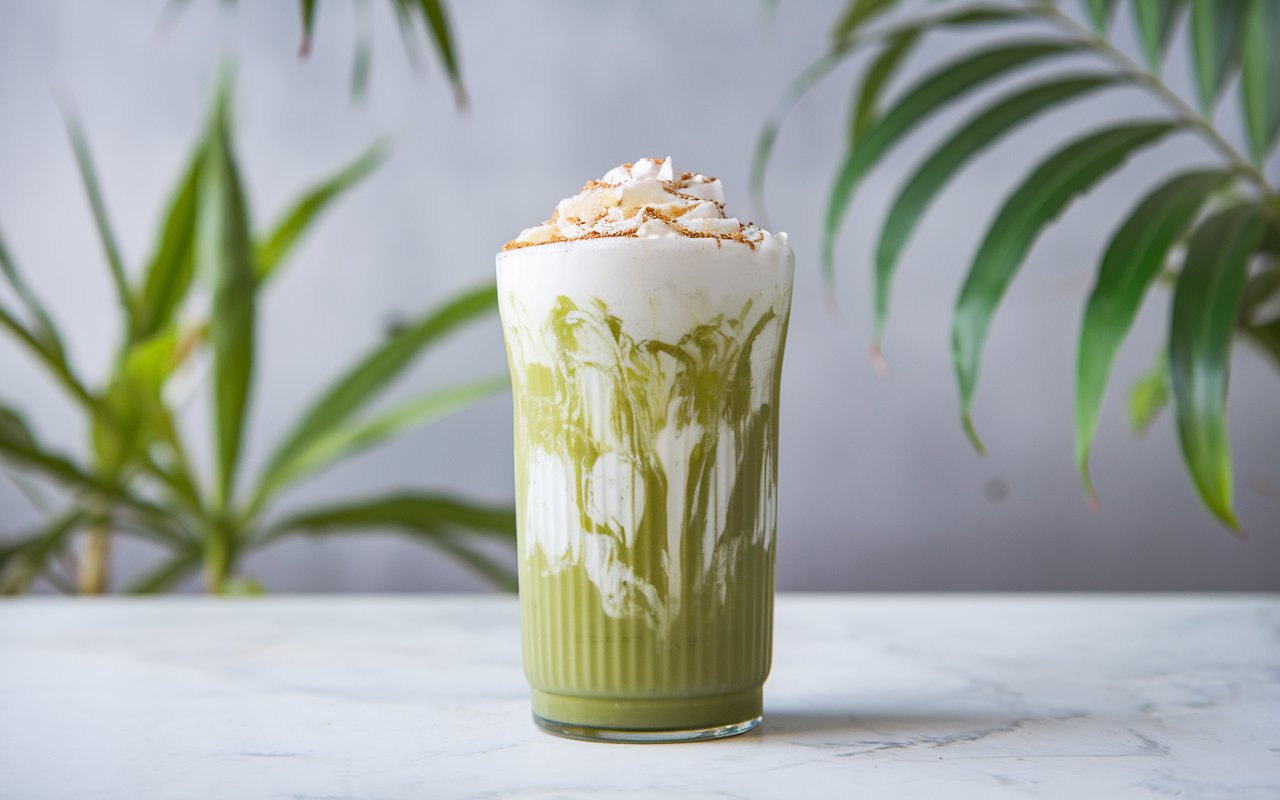
When you desire a cool, green tea–based drink that’s both energizing and gentle on the palate, envision fusing the earthy sweetness of matcha with the creamy, tropical essence of coconut. Picture a pale green beverage with flecks of vivid matcha swirling alongside coconut milk, served over ice to tame warm afternoons or simply refresh the spirit. This synergy is the Coconut Matcha Cooler—a breezy, herbal-infused elixir that goes beyond the typical matcha latte by weaving a sweet, lightly tropical dimension. Each sip offers the characteristic slight bitterness of matcha mellowed by coconut’s inherent sweetness, providing a balanced alternative to standard dairy-based iced matcha drinks.
- Section 1: Why Coconut Matcha Cooler Entices
- Section 2: Ingredient Overview
- Section 3: Step-by-Step Recipe (Approx. 10–15 Minutes)
- Section 4: Flavor Variations
- Section 5: Achieving Proper Matcha Integration
- Section 6: Serving & Storage
- Section 7: Health & Culinary Notes
- Section 8: FAQ – Coconut Matcha Cooler
- Conclusion
My personal journey to the Coconut Matcha Cooler came from a desire to lighten the typical richness of a matcha latte and add a subtle sweetness. While many coffee shops serve matcha with regular milk and sweeteners, substituting coconut milk provided both a creamy texture and a mild, exotic nuance. Over several tries, I refined the ratio: a moderate portion of matcha for that signature “green tea” brightness, balanced with just enough coconut milk and water so as not to overshadow matcha’s grassy flavor. Now, a pitcher of this cooler stands in my fridge during hot months, providing a midday perk or a morning alternative to coffee.
In this piece, we’ll walk through how to assemble a Coconut Matcha Cooler—from whisking matcha properly (preventing lumps) to blending in coconut’s sweetness, ensuring each glass emerges smoothly green, lightly sweet, and wholly refreshing. Whether you’re a matcha aficionado or simply exploring new ways to enjoy green tea, prepare for a beverage that merges classic Japanese tradition with coconut-laden tropical vibes.
Section 1: Why Coconut Matcha Cooler Entices

- Double Dose of Calm & Energy
Matcha’s L-theanine fosters a calm alertness, while mild caffeine offers a gentle lift. Coconut milk’s healthy fats can provide a sustaining fullness, making it an ideal midday or morning beverage. - Creamy but Dairy-Free
For those avoiding or reducing dairy, coconut milk replicates the creaminess one might expect from a latte, minus lactose or heavier mouthfeel. - Tropical Spin on Familiar Tea
While iced matcha lattes are popular, adding coconut introduces a subtle sweetness reminiscent of beach getaways or tiki-inspired drinks—both indulgent and breezy. - Easy to Customize
Adjust matcha intensity, sweetness, and thickness. Some might prefer a more watery “tea” vibe, while others crave a milkshake-like creaminess. The ratio can be adapted freely.
Section 2: Ingredient Overview
Use this table for 1–2 servings, scaling if needed:
| Ingredient | Quantity | Notes |
|---|---|---|
| Matcha Powder (culinary or ceremonial grade) | ~1–1½ tsp | Ceremonial is smoother, but a good-quality culinary grade can suffice |
| Coconut Milk (full-fat or light) | ~½–1 cup | Full-fat yields thicker texture, light coconut milk for a lighter mouthfeel |
| Water (hot for matcha, plus extra cold) | ~½ cup hot for whisking + more cold water up to 1–1½ cups total | Some prefer more watery base, others keep it thicker; depends on preference |
| Sweetener (optional) | 1–2 tsp sugar, honey, or syrup | Adjust to taste. Coconut might sweeten slightly on its own. |
| Ice Cubes | Enough for serving | Chill beverage effectively. |
| Optional Flavor Additions (vanilla, mint) | pinch or ¼ tsp | If you want a mild vanilla essence, or a small handful of mint leaves |
| Optional Topping (toasted coconut flakes) | For garnish | Enhances tropical aesthetic |
(Note: For a strong matcha flavor, go up to 2 teaspoons powder. But matcha can get bitter if used excessively or whisked incorrectly. Start small and taste as you go.)
Section 3: Step-by-Step Recipe (Approx. 10–15 Minutes)
- Pre-Warm & Measure Matcha
- Sift 1–1½ teaspoons of matcha powder into a small bowl to remove lumps. Heat ~½ cup water to just below boiling (~175°F or 80°C). Avoid boiling water, as it can scorch matcha and create bitterness.
- Whisk Matcha
- Pour the hot water over the sifted matcha. Using a bamboo whisk (chasen) or small kitchen whisk, briskly whisk in a zigzag or “W” motion until the powder dissolves and a light foam forms. If lumps remain, you can press them gently against the bowl side or use an electric frother.
- Combine Coconut Milk
- In a separate container, measure ~½–1 cup coconut milk. If using full-fat from a can, shake or stir to incorporate separated cream. For a lighter approach, pick light coconut milk or even a coconut beverage from a carton.
- Warm the coconut milk slightly if you want a uniform temperature with matcha, or keep it at room temperature. This step helps to incorporate everything smoothly if you’re making a warm base. But typically, you’ll be icing it anyway, so room temp or slightly cooler is fine.
- Mix Matcha & Coconut
- Pour the whisked matcha into the coconut milk. Stir or whisk gently to blend. If you want a pure coconut-forward approach, add more coconut milk. If you prefer a thinner consistency, incorporate an additional ½–1 cup cold water.
- Sweeten to Taste
- If you want a sweet cooler, drizzle in 1–2 teaspoons of sugar, honey, or simple syrup. Stir thoroughly, tasting to ensure it’s not overshadowing matcha’s distinctive green flavor. If you want a mild sweetness, half a teaspoon might suffice.
- Ice & Serve
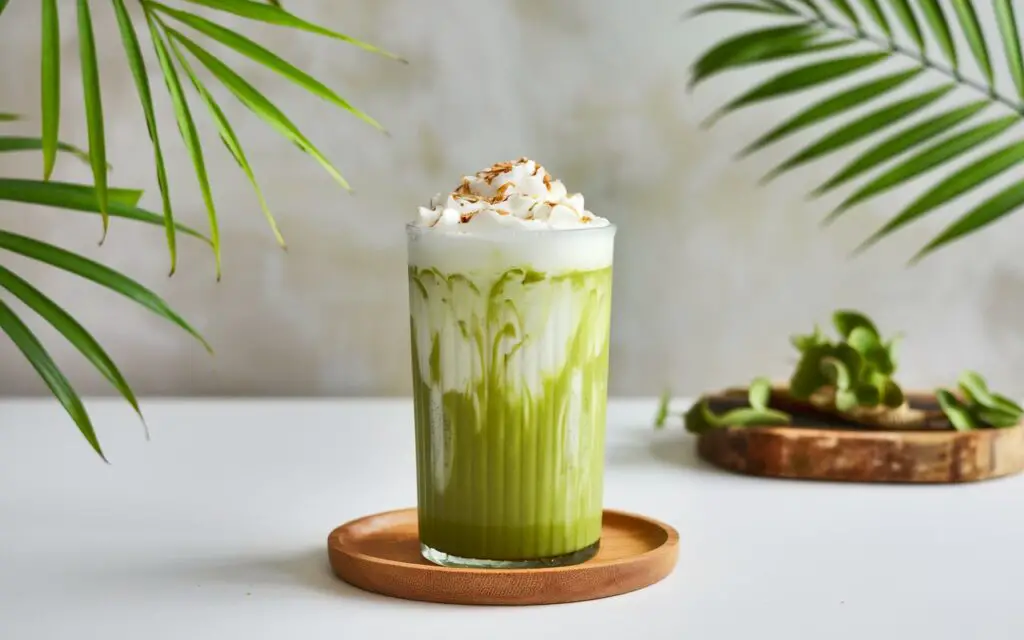
- Fill a glass or two with ice cubes. Pour the coconut-matcha mixture. The color should be a pale green. If you want more brightness, you can swirl in a bit more water or carefully whisk it once more.
- Optionally garnish with toasted coconut flakes on top or a mint sprig. Serve immediately.
Section 4: Flavor Variations
- Mint-Infused
- Muddle a few mint leaves with the coconut milk before adding matcha for a bright, herbal accent reminiscent of a minted iced green tea.
- Vanilla Essence
- Add ¼ teaspoon vanilla extract or half a vanilla bean’s seeds. The gentle vanilla note complements the coconut’s mild sweetness, making it reminiscent of a dessert latte.
- Cocoa Kick
- If you crave a chocolate tilt, blend 1 teaspoon unsweetened cocoa or a small chunk of vegan chocolate. This can overshadow delicate matcha flavors, so go easy.
- Fruit Blends
- For a fruity coconut matcha smoothie, toss in some frozen pineapple or mango. This thickens the drink and introduces a tropical note that pairs well with coconut. Consider skipping or reducing extra sweeteners if fruit is already sweet.
Section 5: Achieving Proper Matcha Integration
- Sifting
- Matcha lumps easily. Sifting it ensures it dissolves more readily in hot water, preventing clumps that can hamper the smooth drink consistency.
- Temperature
- Don’t pour boiling water onto matcha—around 175°F or 80°C is ideal. Overly hot water can yield a bitter note, diminishing matcha’s subtle sweetness.
- Whisking Motion
- A quick, zigzag motion helps create a small foam layer, effectively mixing the powder. A swirling or circular motion often leaves lumps.
- Preventing Separation
- Matcha can settle over time. If your cooler sits for a while, stir or shake before each sip. The coconut milk can also separate if left too long. Enjoy fresh for best results.
Section 6: Serving & Storage
- Immediate Use: It’s best to enjoy your Coconut Matcha Cooler soon after preparation. The frothy texture and vibrant color fade if left for hours.
- Refrigerate: If you must store it, keep it in a sealed container up to 1 day. Stir or shake vigorously before drinking to re-emulsify.
- Glass Choice: For aesthetics, a tall, clear glass spotlights the pastel green hue. A few toasted coconut flakes or matcha dust on top can enhance visual appeal.
- Pairing: Savor with light pastries or a mild breakfast—like fruit, oatmeal, or toast—to amplify matcha’s flavor. The cooler’s mild sweetness complements subtle morning fare or can serve as a mid-afternoon refresher.
Section 7: Health & Culinary Notes
- Caffeine & L-Theanine
- Matcha has moderate caffeine content but also L-theanine, which fosters calm alertness. Perfect for those wanting a gentler coffee alternative.
- Dairy-Free
- Coconut milk suits those with lactose intolerance or who follow a vegan lifestyle. You can also choose soy, almond, or oat milk if you prefer. The flavor changes slightly but remains compelling.
- Sugar Watch
- Some might find the coconut plus matcha sweet enough. Others add sugar or skip it entirely. If controlling sugar intake, you can use a stevia-based sweetener or rely on the coconut milk’s inherent sweetness.
- Possible Allergies
- Although coconut is typically well-tolerated, check for any coconut allergies. Also, verify your matcha is pure green tea powder free of additives.

Section 8: FAQ – Coconut Matcha Cooler
Q1: Can I use a blender instead of whisking by hand?
A1: Sure, especially if combining everything at once. However, matcha is traditionally whisked in a small bowl for best dissolution. A blender can integrate it fine, just avoid over-foaming or heating the mix too much.
Q2: Must I buy expensive ceremonial-grade matcha?
A2: Not necessarily. For sweetened or iced drinks, a decent culinary-grade can suffice. Ceremonial-grade is smoother and less bitter, but it’s pricier. Adjust to your budget and taste preferences.
Q3: How can I intensify the green color?
A3: Add more matcha or reduce the coconutmilk/water ratio. But more matcha can lead to stronger, potentially bitter flavor if you exceed about 2 teaspoons per serving. Also, fresh matcha is more vivid; old matcha might appear dull.
Q4: What if I dislike coconut’s flavor but want a dairy-free base?
A4: Use almond, oat, or soy milk. The result is still a vegan iced matcha, albeit missing the coconut’s distinct taste.
Q5: Is the cooler served sweet or unsweet?
A5: Typically mildly sweet, as matcha itself is slightly bitter, and coconut can be faintly sweet. But you can skip or reduce sweeteners if you prefer a stronger, more authentic matcha tang.
Conclusion

Providing a gently sweet escape from everyday lattes, Coconut Matcha Cooler highlights the synergy of earthy green tea with the mild, tropical warmth of coconut. Each sip brings a hint of sweet creaminess that softens matcha’s classic grassiness, culminating in a light, refreshing beverage perfect for summer afternoons or a quieter morning treat. Whether sipped as a subtle caffeine fix or savored purely for its luscious taste, it offers a whimsical spin on the standard iced green tea formula.
Now that you understand how to whisk matcha effectively, incorporate coconut milk for a creamy base, and fine-tune sweetness to your liking, why not conjure a glass to see how matcha meets coconut in your own kitchen? After enjoying that final, cool swallow—maybe topped with a swirl of coconut flakes or a dash of mint—swing back here to share your personal experiments. Did you add a fruit note, pick a different plant-based milk, or swirl in a pinch of spice for flair? Your creative approach might encourage other tea enthusiasts to explore how simply a beloved ingredient like matcha can evolve into a breezy, coconut-infused cooler.