


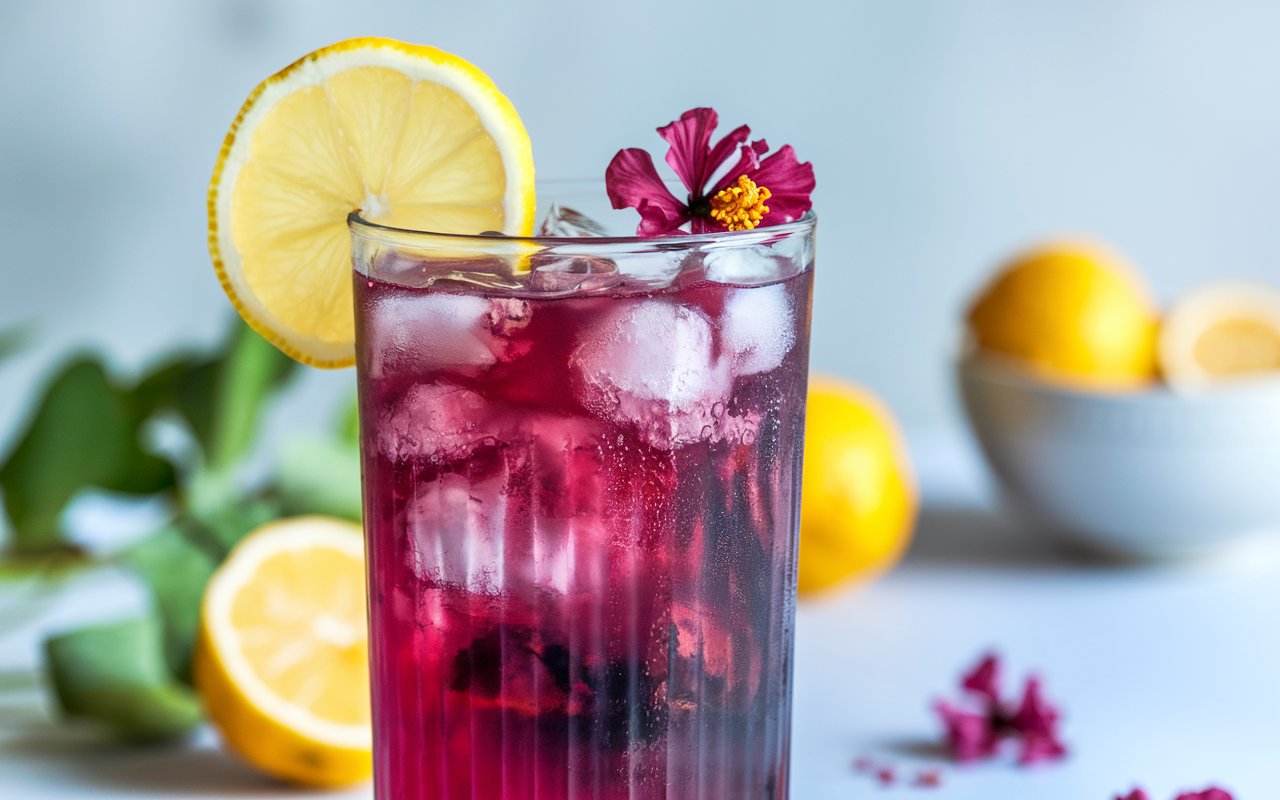
On scorching days or even mild afternoons, few sights look more refreshing than a tall glass of vibrant iced tea—especially if it flaunts a striking magenta hue. Hibiscus Lemon Iced Tea stands out as both a visual showstopper and a palate pleaser, uniting the tangy floral flavor of hibiscus with the sunny zing of lemon. Known as “agua de jamaica” in some Latin cultures or “hibiscus tea” in others, dried hibiscus flowers steep to release a bold, crimson infusion that can be sweetened or left lightly tart, based on preference. When blended with lemon, the color intensifies into an eye-catching pinkish-red hue, while the flavor remains crisp, tangy, and lightly floral.
- Section 1: Why Hibiscus Lemon Iced Tea Shines
- Section 2: Ingredient Overview
- Section 3: Step-by-Step Recipe (Approx. 30 Minutes + Chilling)
- Section 4: Possible Flavor Add-Ons
- Section 5: Serving & Storing
- Section 6: Tips for a Striking Hue & Taste
- Section 7: Health & Culinary Notes
- Section 8: FAQ – Hibiscus Lemon Iced Tea
- Conclusion
My own introduction to hibiscus beverages began at a local café offering iced “jamaica.” Intrigued by the color alone, I sipped a chilled glass that combined mild floral tartness with a sweet note. Fascinated, I started steeping dried hibiscus at home. Over time, I recognized how a squeeze of lemon not only brightened the color but also balanced the tang, turning it into an iced tea that needed minimal sugar. Now, Hibiscus Lemon Iced Tea has become my go-to thirst-quencher: a low-calorie, visually appealing drink that can be as sweet or tangy as desired, perfect for picnics, brunch, or just a midday cooldown.
In this article, we’ll detail how to craft Hibiscus Lemon Iced Tea—from brewing the dried petals (or using hibiscus tea bags) to sweetening, chilling, and final finishing touches. Whether you’re a tea enthusiast looking to branch out or a newcomer intrigued by the flower’s gem-like color, get ready for a summer cooler that merges striking looks with tangy flavor.
Section 1: Why Hibiscus Lemon Iced Tea Shines

- Eye-Catching Color
The deep magenta or ruby hue instantly sets it apart from ordinary iced teas, beckoning curiosity and a sense of tropical flair. - Crisp, Tart Flavor
Hibiscus alone carries a slightly sour, cranberry-like note. Lemon accentuates that tang, creating a refreshing, not-too-sweet drink that hydrates effectively on hot days. - Health Potential
Hibiscus is sometimes linked to benefits like mild blood pressure support. While not a cure-all, it’s a pleasant, caffeine-free option that offers antioxidants. - Easily Adaptable
You can sweeten it lightly with sugar, honey, or skip sweeteners entirely. The lemon can be mild or robust, and you can incorporate other fruits or herbs if you’re feeling adventurous.
Section 2: Ingredient Overview
Use this table for around a 2-quart pitcher (6–8 servings):
| Ingredient | Quantity | Notes |
|---|---|---|
| Dried Hibiscus Flowers (or tea bags) | ~½–¾ cup dried petals, or 6–8 bags | If using bags, check for pure hibiscus or “hibiscus blend” |
| Water | ~8 cups (2 quarts total) | Adjust if you want a stronger or weaker tea |
| Lemon Juice | ~¼–½ cup fresh | Start smaller, add more to taste |
| Sweetener (sugar, honey, or none) | ~⅓–½ cup sugar, or 2–4 tbsp honey | Adjust based on your sweet preference, or skip entirely |
| Ice Cubes | Enough to fill the pitcher/glasses | Chill or water down as needed |
| Optional Extras (mint, fruit slices) | As desired | Provide added flavor or garnish |
| Optional Sparkling Water | 1–2 cups if substituting some water | For a fizzy hibiscus lemonade vibe |
(Note: If you want a strongly tangy tea, use more hibiscus or less water. Also, keep in mind sweeteners can overshadow subtle floral notes if used heavily.)

Section 3: Step-by-Step Recipe (Approx. 30 Minutes + Chilling)
- Boil Water & Hibiscus
- Bring ~4 cups of water to a boil in a saucepan. Once boiling, remove from heat, stir in ½–¾ cup dried hibiscus petals (or 6–8 tea bags). Let it steep ~10–15 minutes for a vibrant color and flavor.
- Strain
- Using a fine mesh sieve, separate the steeped liquid from the hibiscus petals. Discard or compost the petals. The concentrate should appear deep red or magenta. If you prefer a stronger brew, steep longer or use more petals.
- Sweeten While Warm
- If using sugar, stir it into the warm hibiscus concentrate so it dissolves fully. If you prefer honey, wait until the mixture is slightly cooler to preserve more of honey’s flavor qualities. Start with ~⅓ cup sweetener, taste, and adjust. Or skip sweetener for a tart tea.
- Combine with More Water & Lemon
- In a pitcher, pour the strained concentrate. Add the rest of the cold water (about 4 more cups) to reach ~8 cups total. Stir in ~¼ cup fresh lemon juice, sampling as you go. If you want a more pronounced lemon taste, add more (up to ½ cup). The color should shift slightly, brightening to a pinkish hue.
- Taste & Adjust
- If the tea is too strong, add more water. If too tart, add more sweetener or reduce lemon. If you want a fizz option, replace some cold water with sparkling water right before serving.
- Chill
- Refrigerate the pitcher or add ice to cool promptly. Letting it sit allows flavors to meld. Serve in tall glasses, loaded with ice cubes if desired.
Section 4: Possible Flavor Add-Ons
- Mint Infusion
- Toss a handful of fresh mint leaves into the pitcher. Mint’s cool notes complement hibiscus and lemon, intensifying the refreshing aspect.
- Fruit Accents
- Muddle or slice in strawberries, raspberries, or orange segments for additional fruit presence. This can create a mild sangria-like effect minus alcohol.
- Spiced Variation
- For a subtle warm twist, add a cinnamon stick or a piece of ginger root while steeping the hibiscus. Remove before chilling to avoid overpowering the main flavor.
- Herbal Mix
- Combine chamomile or rose hips with hibiscus for a more floral brew. Adjust sweetness accordingly if the mixture becomes more aromatic or slightly bitter.
Section 5: Serving & Storing
- Ice Serving: Offer glasses filled with ice so the tea remains chilled and thirst-quenching.
- Garnish: Float lemon slices, fresh berries, or mint sprigs to highlight the color contrast.
- Pitcher Presentation: In a large glass pitcher, the brilliant magenta color can be a centerpiece on a brunch or buffet table.
- Leftovers: Store in the fridge up to 3–4 days. The flavor remains consistent, though lemon’s tang can intensify. If sweetness fades or you want extra fizz, add a splash of sparkling water upon serving.
Section 6: Tips for a Striking Hue & Taste
- Quality Hibiscus
- Opt for a brand or source known for fresh dried petals with a deep color. Stale petals yield a weaker brew. Avoid any blends that might hamper the pure color.
- Mind the Steep Time
- Over-steeping can lead to a bitter undertone. Typically, 10–15 minutes suffice for a robust hue without harshness. If you want deeper color, use more petals rather than prolonging steep indefinitely.
- Balance Tartness & Sweetness
- The hallmark of a successful hibiscus iced tea is the sweet-tart equilibrium. Keep sipping as you add lemon and sweetener, adjusting so neither sourness nor sugar dominates.
- Chill Thoroughly
- Warm or lukewarm hibiscus tea might taste more sour. Proper chilling plus ice provides the crispness that transforms it into a thirst-quencher.
Section 7: Health & Culinary Notes
- Caffeine-Free
- Hibiscus is naturally free of caffeine, suitable for any time of day or for those avoiding stimulants.
- High Vitamin C
- Both hibiscus and lemon contain vitamin C, beneficial for immunity and antioxidant support. While not a magical health cure, it’s a pleasant nutritional perk.
- Avoid Overly Metal Pots
- Hibiscus can react with certain aluminum or cast iron surfaces, affecting color or flavor. Using stainless steel or glassware is typically best.
- Potential Tart Sensitivity
- If you have acid sensitivity or reflux, moderate your intake. The combination of hibiscus and lemon can be somewhat acidic.

Section 8: FAQ – Hibiscus Lemon Iced Tea
Q1: Can I use hibiscus tea bags instead of loose petals?
A1: Absolutely. Some brands sell “hibiscus tea” or “jamaica” tea bags. Adjust the quantity (about 1 tea bag per 6–8 oz water) and steep similarly.
Q2: Why is my tea more brownish than pink?
A2: Possibly the hibiscus was old or diluted. Also, check if you used a metallic pot that might have caused slight color changes. Ensuring fresh, quality hibiscus and stainless steel/glass can help.
Q3: Could I sweeten with stevia or other sweeteners?
A3: Yes, choose whichever you prefer or skip sweeteners entirely for a tangier beverage. Start small—stevia, for instance, can become bitter in high amounts.
Q4: What if I want a hot version?
A4: Hibiscus lemon tea can also be served hot—essentially a herbal infusion with lemon. Just skip the chilling step, or reduce lemon to avoid excessive tartness when warm.
Q5: Are there any popular regional variations?
A5: In parts of Latin America, “agua de jamaica” is a classic, sometimes with more sugar. In Africa or the Middle East, “karkade” or “hibiscus tea” might include spices like cardamom or mint. This recipe adapts globally.
Conclusion
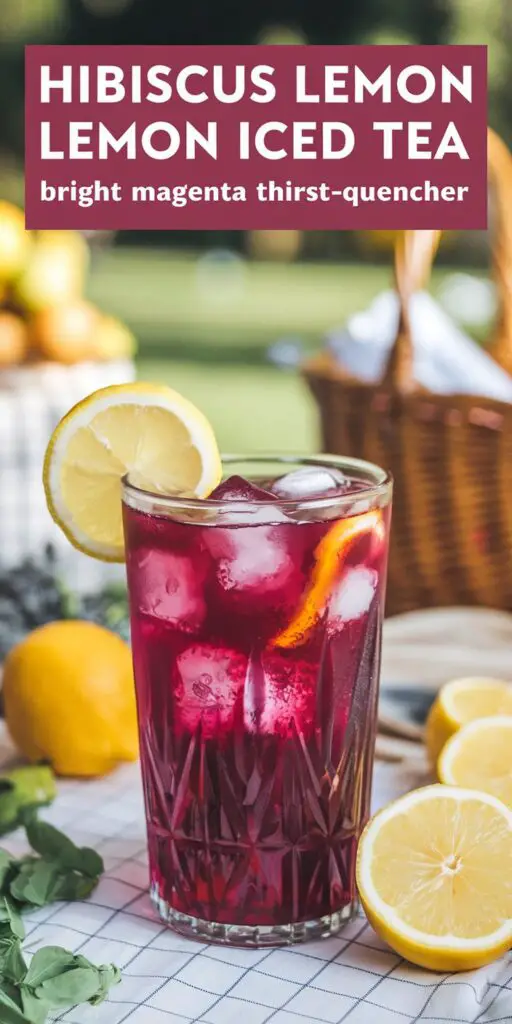
Uniting the naturally bold color and subtle tang of hibiscus with the bright acidity of lemon, Hibiscus Lemon Iced Tea proves an ideal refresher for warm seasons or whenever you seek a dazzling beverage that isn’t just your standard black tea or lemonade. Its magenta hue alone entices guests or family members, while the crisp flavor quenches thirst beyond compare—light, slightly sweet, and undeniably eye-catching.
Now that you know how to steep dried hibiscus, balance lemon’s tang, and optionally incorporate sweeteners or garnishes, why not brew a pitcher for your next gathering or personal treat? After you relish that final, vividly colored sip—maybe garnished with fresh berries or mint—drop back here and share your unique flourish. Did you try a spiced version with ginger, sub in a different sweetener, or add a dash of fizz for extra flair? Your experiments might motivate other tea enthusiasts to embrace the radiant charm and lively taste of hibiscus lemon iced tea for themselves.