


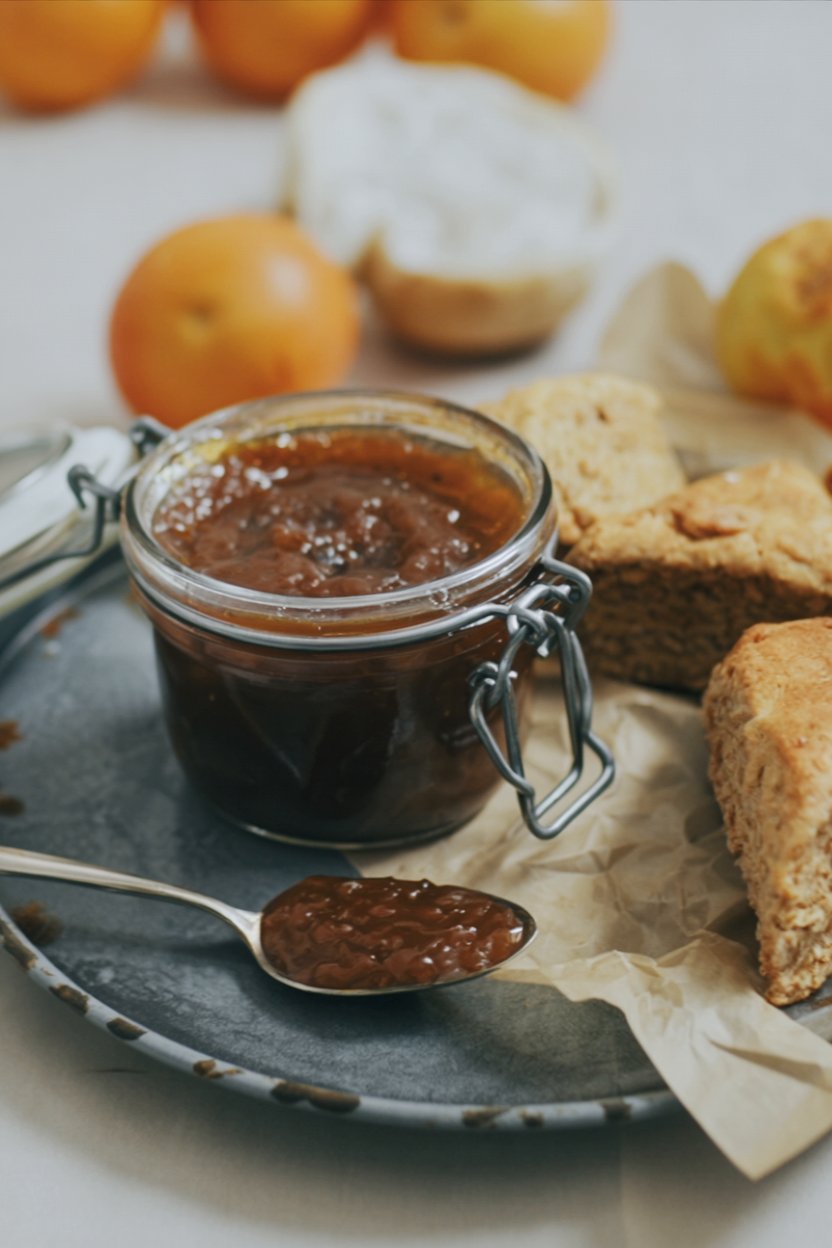
Is there anything that screams “autumn” quite like the scent of spiced apples slowly simmering on the stove? I remember my first trip to a local orchard, leaving with a bushel of apples so large I didn’t know what to do with them. That’s when I discovered the magic of apple butter. Contrary to what the name suggests, there is actually no dairy in this recipe. Instead, it is a highly concentrated, caramelized form of applesauce that spreads like soft butter and tastes like pure, spiced comfort.
- Ingredients
- Timing
- Step-by-Step Instructions
- Step 1: Simmer and Soften
- Step 2: Mill the Fruit
- Step 3: Caramelize and Thicken (Stovetop Method)
- Step 4: Caramelize and Thicken (Oven Method)
- Nutritional Information
- Healthier Alternatives
- Serving Suggestions
- Common Mistakes to Avoid
- Storing Tips
- Conclusion
- FAQs
- Q1. What is the difference between applesauce and apple butter?
- Q2. Do I really need a food mill?
- Q3. Can I make this in a slow cooker?
- Q4. Which apples are best for apple butter?
- Homemade Apple Butter Recipe: Rich, Spiced, & Silky Smooth
If you have ever wondered how to achieve that deep, mahogany color and intense flavor found in artisanal jars, this apple butter recipe is your answer. Unlike quick jams, this method relies on slow cooking to caramelize the sugars naturally found in the fruit. By keeping the skins and cores during the initial boil, we extract maximum pectin and flavor, resulting in a velvety spread that captures the essence of the harvest season. Let’s dive into making this pantry staple that will transform your morning toast.
Ingredients
To make the best apple butter, we utilize the whole apple to extract natural pectin, which helps thicken the spread without artificial additives.
| Ingredient | Amount/Quantity | Notes |
| Apples | 4 pounds (10-12 medium) | Washed, unpeeled, uncored, cut into 1-inch chunks. Mix varieties for depth. |
| Apple Cider Vinegar | ½ cup | Adds acidity to balance the sweetness. |
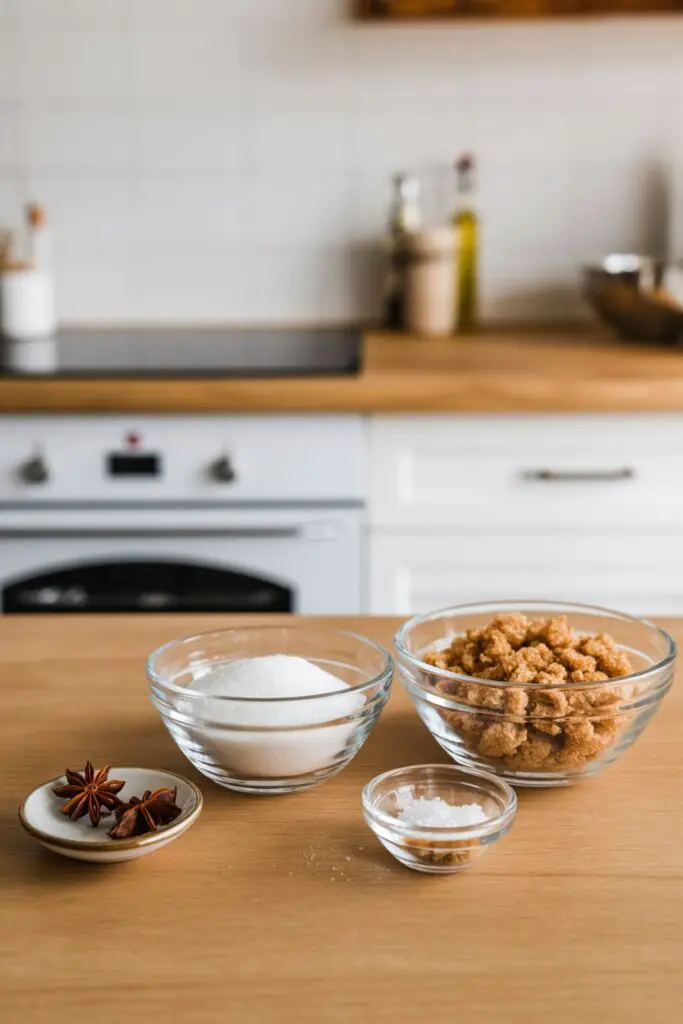
| Allspice Berries | 3 (Optional) | Whole berries add a warm, peppery note. |
| Cinnamon Sticks | 2 (Optional) | Essential for that classic spiced flavor. |
| Fresh Ginger | 1 (2-inch) piece | Peeled and sliced; adds a subtle heat. |
| Star Anise Pod | 1 (Optional) | Provides a sophisticated hint of licorice. |
| Granulated Sugar | 1¼ cups | White sugar helps with the glossy finish. |
| Light Brown Sugar | 1 cup | Adds molasses notes and deepens the color. |
| Kosher Salt | Small pinch | Enhances the fruit flavors. |
| Water | 4 cups | Used for the initial simmer. |

Timing
Making apple butter is a labor of love, but most of the time is passive. Think of this as a weekend project that makes your house smell better than any candle could.
- Prep Time: 20 minutes
- Cook Time (Simmering): 40 minutes
- Cook Time (Reducing): 2.5 to 3.5 hours
- Total Time: Approx. 4 hours and 30 minutes (About the same time as a slow-roast pork shoulder, but with a sweeter reward!)
Step-by-Step Instructions
Step 1: Simmer and Soften
Combine the apple chunks, apple cider vinegar, water, and your aromatics (allspice berries, cinnamon sticks, fresh ginger, and star anise) in a large, heavy-bottomed pot. Turn the heat to high and bring the mixture to a rolling simmer. Once bubbling, reduce the heat to medium-low.
- Action: Cook for 30 to 40 minutes, stirring occasionally.
- Goal: You want the apples to be completely softened and the liquid reduced by half. Don’t worry if pieces float initially; they will submerge as they break down.
Step 2: Mill the Fruit
Remove the pot from the heat and let it cool slightly. Fish out and discard the whole spices (cinnamon sticks, star anise, ginger pieces, and allspice). Now, it is time to create the puree.
- Process: Pass the soft apple mixture through a food mill.
- Why a food mill? This tool separates the pulp from the skins and seeds effortlessly, giving you a silky smooth texture while retaining the pectin and flavor extracted from the peels during simmering.
- Alternative: If you don’t own a food mill, work in batches using a fine-mesh strainer and a sturdy spatula to press the pulp through, leaving the solids behind.
Step 3: Caramelize and Thicken (Stovetop Method)
Return the apple pulp to the same heavy-bottomed pot. Add the granulated sugar and light brown sugar, stirring until fully dissolved.
- Cook: Set heat to medium-low. Simmer for 2 to 2½ hours.
- Stir: You must stir occasionally to prevent scorching. As the mixture thickens (around the 1.5-hour mark), it may splatter (like volcanic lava), so be careful!
- The Test: You are looking for a texture that is thick, glossy, and a deep golden brown—think of a color between honey and molasses. Spoon a bit onto a cold plate; if it sets immediately without water leaking out, it is done. Season with a pinch of kosher salt.
Step 4: Caramelize and Thicken (Oven Method)
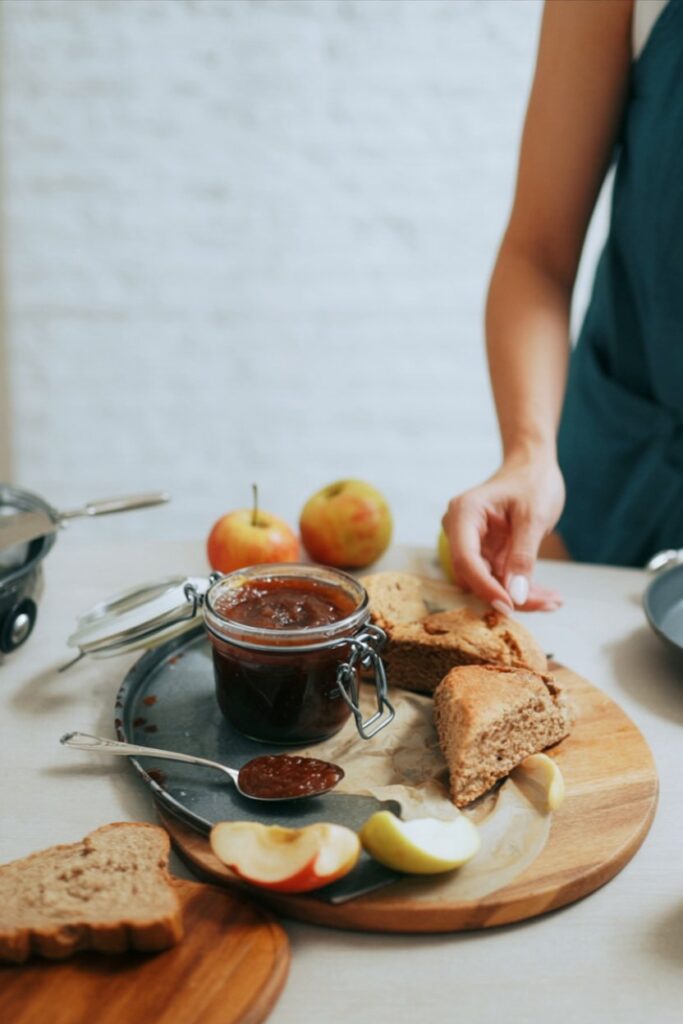
If you prefer a more hands-off approach with less risk of scorching, use the oven.
- Preheat: Heat oven to 300°F (150°C).
- Bake: Pour the pulp and sugars into a 9×13-inch baking dish. Stir to dissolve. Place in the oven.
- Monitor: Cook for 3 to 3½ hours, stirring every 30 minutes. This method provides excellent dry heat for caramelization.
- Finish: Use the same “plate test” as above. Once thick and glossy, remove from the oven and season with kosher salt.
Nutritional Information
While apple butter is fruit-based, the concentration process increases the sugar content per serving. Here is an estimated breakdown per tablespoon:
- Calories: ~35-45 kcal
- Carbohydrates: 10-12 g
- Sugars: 9-10 g (Natural fructose + added sucrose)
- Fat: 0 g
- Protein: 0 g
- Fiber: 0.5 g
- Vitamins: Contains trace amounts of Vitamin C and potassium from the apples.
Healthier Alternatives
If you are watching your sugar intake or dietary needs, here are a few tweaks:
- Low Sugar: You can reduce the added sugar by half, relying more on the natural fructose of the apples. The preservation time may be shorter, so store in the fridge.
- Sugar Substitutes: Swap the granulated and brown sugar for monk fruit sweetener or coconut sugar for a lower glycemic index.
- Spice Forward: Increase the cinnamon, cloves, and nutmeg. This “tricks” the palate into perceiving sweetness without adding calories.
- Leave the Skins: While the food mill removes skins for texture, leaving them in (if using a high-powered blender instead) adds significant fiber, though the texture will be less traditional.
Serving Suggestions
Apple butter is incredibly versatile beyond just morning toast.
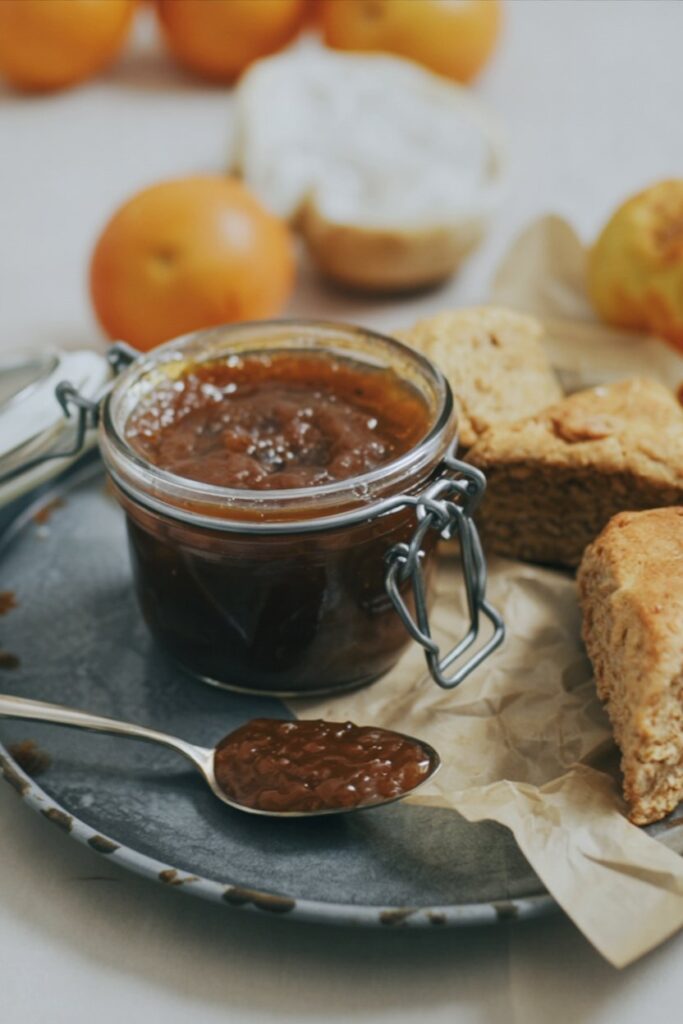
- The Breakfast Spread: Swirl it into oatmeal, yogurt, or spread over warm biscuits and pancakes.
- Charcuterie Board: Pair it with sharp cheddar cheese, brie, or aged gouda. The sweet acidity cuts through the fat of the cheese perfectly.
- Savory Glaze: Use it as a marinade or glaze for pork chops or roasted chicken. The sugars caramelize beautifully on meat.
- Baking: Swirl it into muffin batter or use it as a filling for cinnamon rolls instead of butter and sugar.
Common Mistakes to Avoid
- Peeling the Apples: Don’t do it! A massive amount of natural pectin (the thickener) and flavor lives in the peels and cores. Let the food mill do the work later.
- Rushing the Reduction: High heat will burn the sugars before the water evaporates. Low and slow is the only way to get that rich, dark color without a burnt taste.
- Using “Eating” Apples Only: A mix of tart (like Granny Smith) and sweet (like Fuji or Gala) apples creates a more complex flavor profile than using just one type.
- Ignoring the Splatter: As the butter thickens, it pops. Use a splatter screen if cooking on the stovetop to avoid burns and a messy kitchen.
Storing Tips
- Refrigerator: Store in clean, airtight jars in the refrigerator for up to 1 month.
- Freezer: Leave about an inch of headspace in your jar (for expansion) and freeze for up to 6 months.
- Canning: For long-term storage, process jars in a boiling water bath canner for 10 minutes (adjusting for altitude). This allows it to be shelf-stable for a year.
Conclusion
Making your own apple butter is a culinary rite of passage that rewards you with jars of “liquid gold.” It captures the cozy, spiced essence of the season in a way that store-bought versions simply cannot match. Whether you gift it to friends or keep it all to yourself (we won’t judge!), this recipe is sure to become a yearly tradition.
Try this recipe out this weekend! Let us know in the comments if you prefer the stovetop or oven method. If you loved this guide, please rate the recipe and subscribe to our newsletter for more seasonal favorites delivered straight to your inbox.
FAQs
Q1. What is the difference between applesauce and apple butter?
The main difference is concentration. Applesauce is cooked quickly and retains more water content. Apple butter is cooked slowly for hours longer, allowing the sugars to caramelize and the mixture to turn dark brown, thick, and intensely flavorful.
Q2. Do I really need a food mill?
While a food mill is the traditional and easiest tool for this recipe, you don’t strictly need one. You can cook the apples peeled and cored, then use an immersion blender. However, cooking them with peels and cores (as this recipe calls for) extracts more pectin and flavor, which is why the sieve or food mill method is preferred.
Q3. Can I make this in a slow cooker?
Yes! After Step 2 (milling the apples), place the pulp and sugars in a slow cooker. Cook on low for 8 to 10 hours with the lid slightly ajar (prop it open with a wooden spoon) to allow steam to escape so it can thicken.
Q4. Which apples are best for apple butter?
Softer varieties that break down easily are best. Cortland, McIntosh, and Braeburn are excellent choices. However, mixing in a tart apple like Granny Smith adds a nice depth of flavor. Avoid very hard apples that hold their shape, like Honeycrisp, unless you plan to cook them longer.
Print
Homemade Apple Butter Recipe: Rich, Spiced, & Silky Smooth
- Total Time: 4 hours 30 minutes
- Yield: Approx. 3-4 Cups
- Diet: Vegan
Description
Contrary to what the name suggests, there is actually no dairy in this recipe. Instead, it is a highly concentrated, caramelized form of applesauce that spreads like soft butter and tastes like pure, spiced comfort. Unlike quick jams, this method relies on slow cooking to caramelize the sugars naturally found in the fruit. By keeping the skins and cores during the initial boil, we extract maximum pectin and flavor, resulting in a velvety spread with a deep mahogany color.
Ingredients
- 4 pounds (10-12 medium) Apples; washed, unpeeled, uncored, cut into 1-inch chunks
- 1/2 cup Apple Cider Vinegar
- 4 cups Water
- 3 Whole Allspice Berries (Optional)
- 2 Cinnamon Sticks (Optional)
- 1 (2-inch) piece Fresh Ginger, peeled and sliced
- 1 Star Anise Pod (Optional)
- 1 1/4 cups Granulated Sugar
- 1 cup Light Brown Sugar
- Small pinch Kosher Salt
Instructions
- Simmer and Soften: In a large, heavy-bottomed pot, combine apple chunks, vinegar, water, and aromatics (allspice, cinnamon, ginger, anise). Bring to a rolling simmer on high, then reduce to medium-low. Cook for 30-40 minutes until apples are completely soft and liquid is reduced by half.
- Mill the Fruit: Remove from heat and cool slightly. Discard the whole spices. Pass the mixture through a food mill to separate the pulp from the skins and seeds. (Alternatively, push through a fine-mesh strainer).
- Caramelize (Stovetop Method): Return pulp to the pot. Stir in granulated and brown sugars. Simmer on medium-low for 2 to 2½ hours, stirring occasionally, until thick and dark brown. (Watch out for splattering!).
- Caramelize (Oven Method): Alternatively, preheat oven to 300°F (150°C). Pour pulp and sugars into a 9×13-inch baking dish. Bake for 3 to 3½ hours, stirring every 30 minutes.
- Finish: Perform the “plate test” (see Notes). Once thick and glossy, season with a pinch of kosher salt.
Notes
- Whole Apple Technique: We cook the apples unpeeled and uncored to extract natural pectin from the skins and seeds, which thickens the butter naturally without additives.
- Apple Variety: Mix different apple varieties (sweet and tart) for the best depth of flavor.
- The Plate Test: Spoon a bit of butter onto a cold plate. If it sets immediately and no water leaks out around the edges, it is done.
- Safety Tip: If cooking on the stovetop, be careful around the 1.5-hour mark. The mixture becomes thick and can splatter hot “lava.”
- Prep Time: 20 minutes
- Cook Time: 4 hours 10 minutes
- Category: Condiment, Breakfast, Canning
- Method: Slow Cooking, Simmering
- Cuisine: American
Nutrition
- Serving Size: 1 tablespoon
- Calories: 45 kcal
- Sugar: 10 g
- Sodium: 5 mg
- Fat: 0 g
- Saturated Fat: 0 g
- Unsaturated Fat: 0 g
- Trans Fat: 0 g
- Carbohydrates: 12 g
- Fiber: 0.5 g
- Protein: 0 g
- Cholesterol: 0 mg