


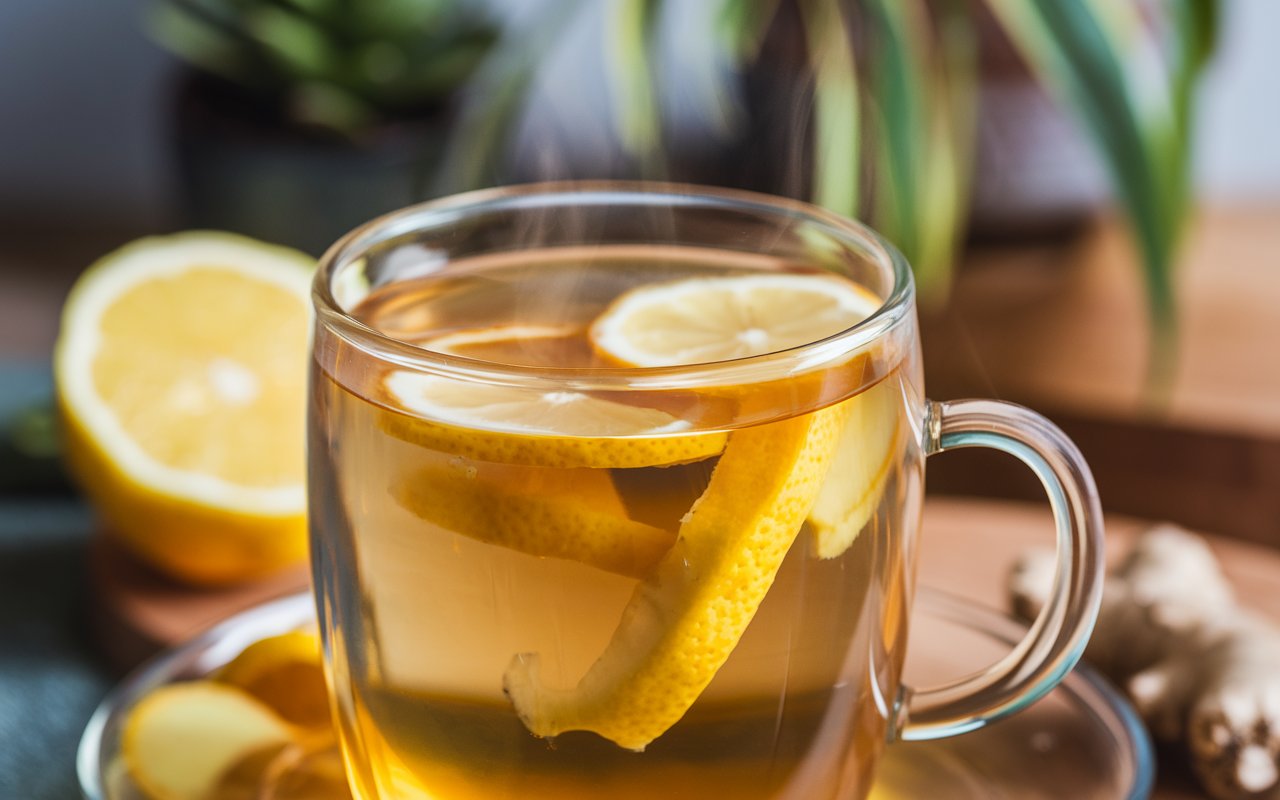
In a world where caffeinated drinks often dominate, sometimes you crave a warm, comforting cup that genuinely soothes your throat, warms your body, and brings a mild sweetness with a zesty edge. Honey Lemon Ginger Tea fits that bill flawlessly. Imagine steeping slices of fresh ginger in hot water, then stirring in a squeeze of lemon juice for brightness, a spoonful of honey for sweetness, and inhaling the steam that gently clears your sinuses. Each sip feels like a miniature detox session, warming you from within and offering a subtle pep that doesn’t rely on caffeine.
- Section 1: Why Honey Lemon Ginger Tea Comforts
- Section 2: Ingredient Overview
- Section 3: Step-by-Step Recipe (Approx. 15–20 Minutes)
- Section 4: Enhancing or Modifying Flavor
- Section 5: Ensuring a Balanced Cup
- Section 6: Potential Health Reminders
- Section 7: Serving Suggestions
- Section 8: FAQ – Honey Lemon Ginger Tea
- Conclusion
I first adopted the honey-lemon-ginger trio when I sought relief from a winter cold. The synergy of honey (coating and sweet), lemon (tangy and vitamin-rich), and ginger (spicy, digestive-friendly) provided not only comfort but also a sense of mild well-being. Over time, it evolved from a remedy into a daily ritual, an evening beverage that quiets the mind. Some days I add a bit of cinnamon or turmeric for extra spice depth, or a teabag of chamomile for a hybrid brew. Whether you’re nursing a sore throat, winding down at night, or simply seeking a warm, restorative beverage, honey lemon ginger tea stands out as a natural, versatile companion.
In this article, we’ll cover how to create a Honey Lemon Ginger Tea that balances the earthy heat of fresh ginger with the bright tang of lemon juice and the gentle sweetness of honey. Whether you’re in it for the soothing effect or the mild, uplifting flavor, get ready to brew a cup of calm that resonates with tradition and universal comfort.
Section 1: Why Honey Lemon Ginger Tea Comforts

- Potential Health Benefits
Ginger is known for anti-inflammatory properties and aiding digestion, lemon delivers vitamin C and a fresh tang, while honey can soothe the throat and bring mild antibacterial elements. - Non-Caffeinated Warmth
The tea’s comforting effect doesn’t rely on caffeine. It’s an excellent alternative for bedtime or a midday break that won’t disturb your sleep cycle. - Gentle Sweetness
Honey’s sweetness pairs smoothly with lemon’s acid. The synergy yields a drink that’s not cloying but softly sweet, complementing ginger’s mild spiciness. - Versatility in Flavor
You can adjust ginger’s potency, lemon’s brightness, or the level of sweetness. Adding other herbs (mint, chamomile) or spices (cinnamon) can shape it to personal taste.
Section 2: Ingredient Overview
Use this table for about 2 mugs (2 servings):
| Ingredient | Quantity | Notes |
|---|---|---|
| Fresh Ginger Root | 1–2 inches (peeled & sliced) | Adjust thickness and quantity based on desired spiciness |
| Water | ~3–4 cups | Enough for 2 servings, can adjust if you want a stronger or weaker brew |
| Lemon (fresh) | 1 medium (juice + optional zest) | Start with half the lemon’s juice, add more if you like tangier flavor |
| Honey | 1–2 tbsp or to taste | Adjust for sweetness preference |
| Optional Add-Ins (cinnamon stick, mint, chamomile tea bag) | As desired | You can steep them with ginger for extra dimension |
| Optional Sweeteners (maple syrup, stevia) | Substitute if you prefer | Or skip sweeteners entirely for a purely tangy-ginger brew |
(Note: If you want to highlight ginger’s spiciness, use more ginger or longer steep time. For a milder tea, reduce ginger slices or shorten steeping.)
Section 3: Step-by-Step Recipe (Approx. 15–20 Minutes)
- Prep Ginger
- Peel the ginger root with a spoon or paring knife. Slice into thin coins (1–2 inches total). Thinner slices yield more flavor extraction. If you want an even spicier brew, grate a small portion of ginger.
- Boil Water & Add Ginger
- Bring ~3–4 cups of water to a boil in a saucepan or kettle. If using a saucepan, you can add ginger slices directly. If using a kettle, place ginger in a teapot or steeping vessel.
- If adding optional items like a cinnamon stick or chamomile tea bag, put them in the same pot or teapot.
- Steep
- Once the water is boiling, reduce to a simmer if in a saucepan, or pour boiling water over ginger in a teapot. Let the ginger steep ~10 minutes for a robust flavor. For mild flavor, 5 minutes might suffice. Over 15 minutes yields a strong, spicy brew, so tailor it to your taste.
- Add Lemon & Sweetener
- Slice or squeeze half a lemon (start with about 1 tablespoon juice per cup), stirring into the ginger-infused water. Then add ~1 tablespoon honey per cup. Taste and adjust. More lemon = tangier, more honey = sweeter.
- If using a teabag (like chamomile), remove it around 5 minutes to prevent bitterness.
- Strain & Serve
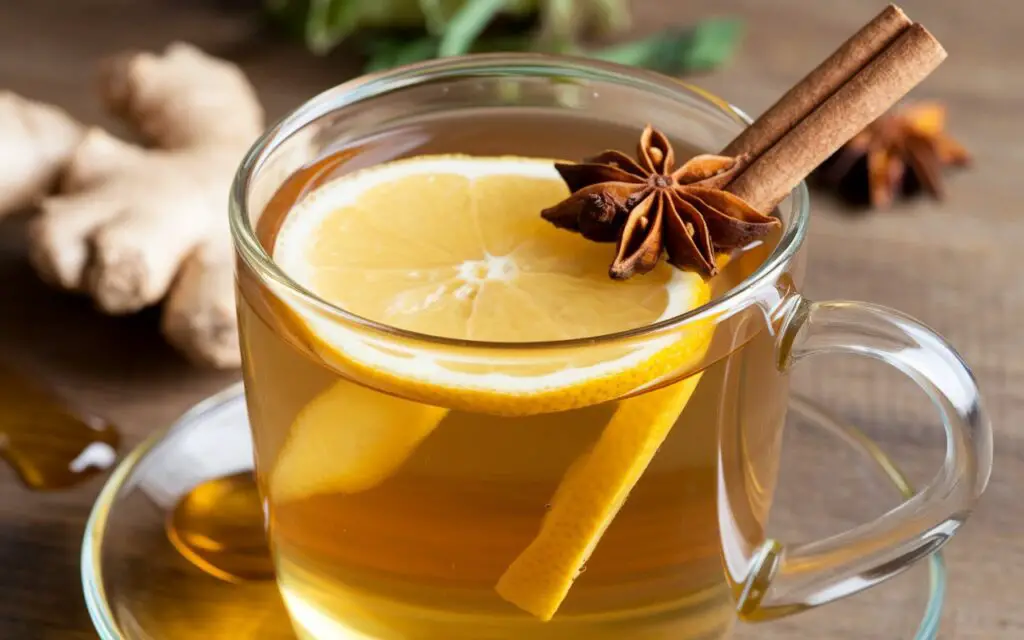
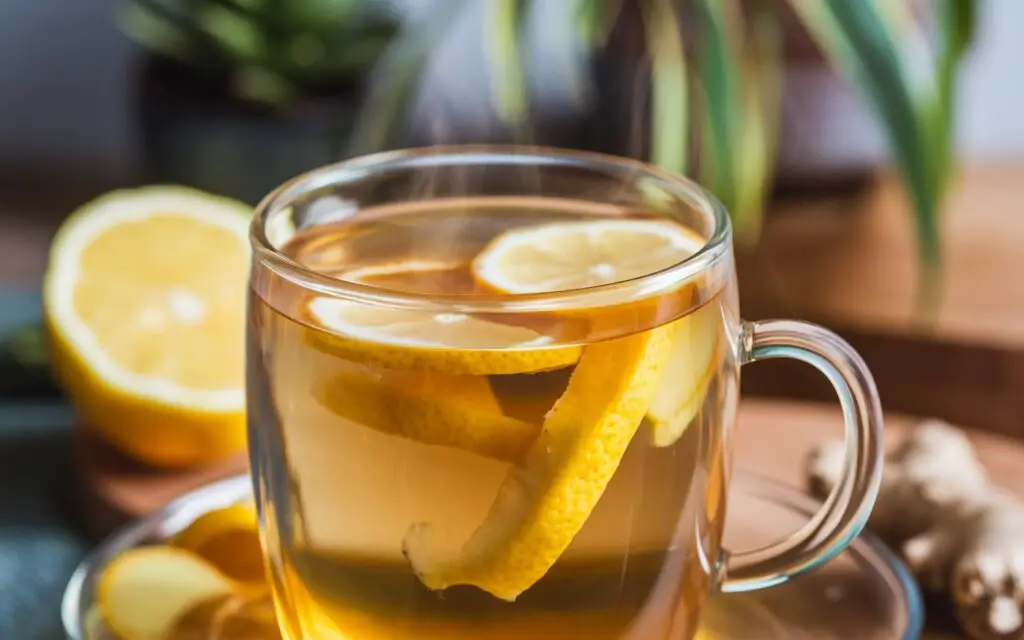
- If you used a saucepan, strain out ginger slices and any optional spices. If a teapot, just pour. Optionally garnish with a lemon slice or extra ginger coin for visual appeal. Enjoy warm.
(Optional tip: For cold days, keep the sliced ginger in the pot for subsequent top-ups—just reheat gently to avoid simmering away your tea. You can also chill leftover brew for a refreshing iced honey lemon ginger tea.)
Section 4: Enhancing or Modifying Flavor
- Spice It Up
- For a stronger spice note, incorporate a pinch of cayenne or black pepper. The heat can amplify ginger’s warming effect, beneficial if you’re congested or want an extra kick.
- Minty Freshness
- Throw in a few fresh mint leaves near the end of steeping for a peppermint-laced finish that complements lemon’s brightness.
- Cinnamon Inclusion
- Steep a small cinnamon stick with the ginger for a sweet-spicy undertone reminiscent of holiday drinks. Adjust the simmer time for a more or less pronounced cinnamon note.
- Creamy Variation
- Add a splash of coconut milk or almond milk to make it a lightly creamy beverage. This alters the taste, shifting from a purely bright tea to something reminiscent of a spiced latte.
Section 5: Ensuring a Balanced Cup
- Gradual Adjustments
- If you’re unsure about ginger’s potency, start with fewer slices or a shorter steep. You can always add more ginger or re-steep if it’s too mild.
- Lemon Control
- Fresh lemon can vary in tartness. Start with half the lemon, taste, add more if needed. Overly sour tea can overshadow ginger’s subtlety.
- Honey Temperature
- Some prefer adding honey only after the water cools slightly (below 104°F or 40°C) to preserve raw honey’s enzymes. If that’s important to you, wait until the tea is comfortably warm, not boiling hot.
- Serving Temperature
- Typically served hot, but you can chill leftover tea for an iced version—though honey might be harder to dissolve in cold liquids. Solve by sweetening while warm, then cooling.
Section 6: Potential Health Reminders
- Ginger Tolerance
- Some folks experience mild stomach irritation with large amounts of ginger. Start moderate if you’re sensitive or new to ginger.
- Allergy Check
- Rare but possible for honey or certain flavor add-ins. If allergic, swap honey for another sweetener or skip entirely.
- Acidic Nature
- Lemon’s acidity can aggravate acid reflux in some individuals. If sensitive, you can reduce lemon or replace with mild citrus like orange or skip.
- No Cure-All Claims
- While ginger-laden beverages and honey have long been used in traditional remedies, results vary. Enjoy it primarily as a comforting, flavorful drink.
Section 7: Serving Suggestions
- Morning Kickstart: Replace your coffee or black tea with a gentler brew that soothes the stomach.
- Relaxing Evening Ritual: Unwind with a warm mug, letting ginger’s warmth calm you, especially in cooler weather.
- Sore Throat Relief: The honey coats, ginger and lemon offer mild relief. While no miracle, it can soothe short-term discomfort.
- Pair with Light Sweets: Crisp cookies or mild muffins complement the tea’s tangy-sweet flavor.
Section 8: FAQ – Honey Lemon Ginger Tea
Q1: How do I store leftover tea?
A1: Let it cool, strain out ginger slices, and refrigerate in a sealed container up to 2 days. Reheat gently or enjoy iced. Honey may separate slightly, so stir before sipping.
Q2: Can I make a bigger batch for daily sipping?
A2: Yes. Just multiply ingredients. A large pot can yield a day’s supply. Reheat as needed or serve over ice. Adjust ginger slices if you prefer each cup not get spicier over time.
Q3: Will powdered ginger suffice if I lack fresh?
A3: You can, though fresh ginger has a cleaner, more aromatic punch. For powdered, start with ¼ teaspoon per cup, adjusting carefully. Overuse can yield a gritty or overly spicy brew.
Q4: Is it safe for kids?
A4: Generally, honey lemon ginger tea is mild, but watch honey for children under 1 (botulism risk). For older kids, a smaller portion or milder ginger can be comforting, especially for colds.
Q5: Could I add green or black tea bag for caffeine?
A5: Absolutely. Brew the tea bag with ginger, then sweeten and finish with lemon and honey. The synergy merges a standard tea infusion with the warming ginger-lime flavors.
Conclusion

Combining the tangy brightness of lemon with the spicy warmth of ginger and the gentle sweetness of honey, Honey Lemon Ginger Tea is a cup of relaxation that transcends seasons. Whether you’re nursing a scratchy throat, winding down after a hectic day, or simply craving a soothing ritual that envelops you in aromatic steam, this tea delivers mild sweetness, subtle spice, and a comforting glow that resonates in every sip.
Now that you’ve learned how to handle fresh ginger, modulate lemon’s acidity, and incorporate honey’s sweetness, why not brew a pot next time you seek cozy solace in a mug? Once you savor that final warm drop—maybe augmented by a dash of cinnamon or a sprig of mint—circle back here to share your personal twists. Did you experiment with different sweeteners, incorporate a second herbal note, or discover the perfect steeping time for your taste? Your input might encourage others to adopt this gentle, fuss-free beverage as part of their daily or seasonal routines.