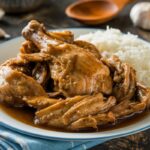



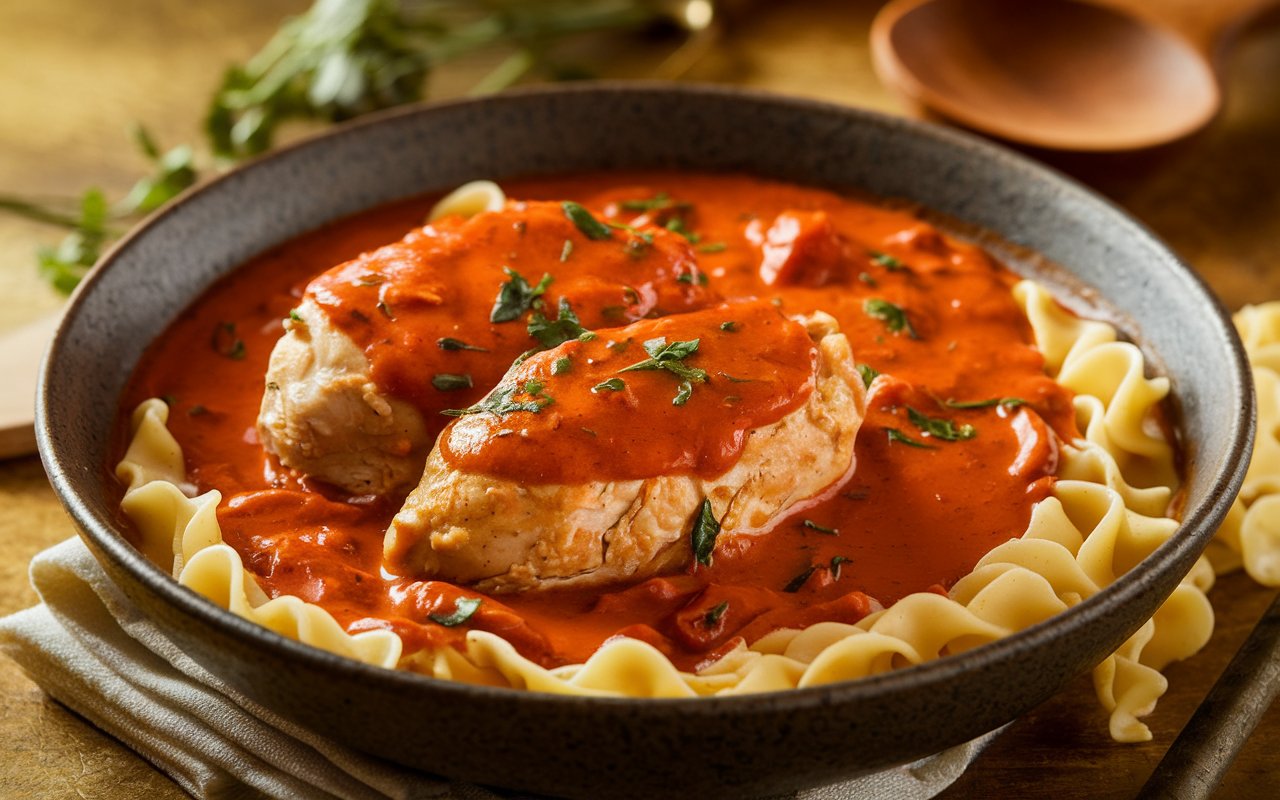
In a land famed for its paprika, few dishes epitomize Hungarian comfort like Chicken Paprikash—a creamy stew brimming with the signature peppery warmth and succulent chicken. Envision tender chicken pieces simmered in a silky, ruddy-hued sauce, heavily spiced with Hungarian paprika that’s both sweet and gently smoky, completed by a swirl of sour cream for a tangy richness. Each ladleful conjures images of Hungarian kitchens in winter, with red peppers hanging from rafters and hearty aromas enveloping families gathered at the table.
My own dive into paprikash began as an effort to understand how paprika could truly dominate a dish without overshadowing every other element. Hungarian paprika, far more nuanced than the generic grocery store variety, introduced me to depths of sweet pepper flavor. When combined with a simmer of onions, chicken, and a final sour cream finish, the outcome was comforting yet sophisticated. Over time, I learned that the success relies on fresh, quality paprika and a methodical simmer that allows the chicken to absorb that spicy-sweet essence. Now, Hungarian Chicken Paprikash ranks among my top choices for a warming meal—especially served with egg noodles or the Hungarian dumplings called “nokedli,” soaking up every drop of that luscious sauce.
In this guide, we’ll delve into how to make Hungarian Chicken Paprikash—from selecting the right paprika, browning the chicken, building the stew’s foundation with onions, to finishing with sour cream for a creamy, mildly tart note. Whether you’re drawn to central European classics or simply yearn for a hearty dish that revolves around a beloved spice, prepare to discover the magic within each spoonful of bright, paprika-laced gravy.

Why Hungarian Chicken Paprikash Endures
- Prominent Paprika
It’s not just a sprinkle—this dish celebrates Hungarian paprika as the central flavor driver, offering color, sweetness, and mild heat. - Filling & Warming
Stewed chicken in a creamy sauce, typically served over egg noodles or dumplings, results in a hearty comfort that stands well for cold evenings or whenever you crave something soul-soothing. - Simple Ingredients
Despite the complex flavor, paprikash typically uses staples: chicken, onions, paprika, sour cream, plus a bit of flour or cornstarch. Minimal fuss, maximum satisfaction. - Cultural Pride
Alongside goulash, paprikash is a Hungarian hallmark—an ambassador dish that demonstrates the region’s devotion to flavorful, paprika-based stews.
Ingredient Overview
Makes ~4–6 servings:
| Ingredient | Quantity | Notes |
|---|---|---|
| Chicken (bone-in thighs, drumsticks, or mixed) | ~2–3 lbs | Dark meat is favored for richness, though breasts can be used if you prefer |
| Onions (chopped) | 2 medium | The base of the stew, often sliced or finely chopped |
| Hungarian Paprika (sweet) | ~2–3 tbsp | High-quality Hungarian sweet paprika is key, optional pinch of hot paprika |
| Oil or Lard | ~2–3 tbsp | Traditional approach might use lard, though oil is more common now |
| Flour or Cornstarch (optional) | ~1–2 tbsp | For thickening the sauce if desired |
| Chicken Stock or Water | ~1–2 cups | Enough to partially submerge chicken |
| Sour Cream | ~½–¾ cup | For finishing the sauce, can use heavy cream or Greek yogurt as a variant |
| Salt & Pepper | to taste | Seasoning essential to complement paprika flavor |
| Optional Seasonings (garlic, caraway seeds) | pinch or 1–2 cloves | Some variants include caraway or garlic for extra dimension |
| Egg Noodles or Nokedli (Hungarian dumplings) | for serving | Traditional side to soak up sauce |
(Note: The hallmark is good-quality sweet paprika from Hungary, which has a distinctive sweetness and color. Avoid stale or generic paprika for best results. Some prefer a mix of sweet and hot Hungarian paprika for subtle heat.)
Step-by-Step Recipe (Approx. 60–90 Minutes)
- Season & Brown Chicken
- Pat chicken pieces dry, season with salt and pepper. In a large pot or Dutch oven, heat 2 tablespoons oil or lard over medium-high. Once hot, brown chicken ~3–4 minutes per side until lightly golden. Remove to a plate. Browning adds flavor depth.
- Sauté Onions
- In the same pot, add chopped onions. If needed, add another tablespoon of oil. Sauté ~5–7 minutes until onions are translucent and slightly caramelized. Stir frequently to prevent burning. If using garlic, add it in the last minute.
- Add Paprika
- Lower heat to medium or turn off momentarily. Stir in ~2–3 tablespoons Hungarian sweet paprika. Quickly combine with onions, careful not to scorch the paprika. A short 30-second bloom in the hot oil intensifies flavor. If you want mild heat, add a pinch of hot paprika or chili flakes. Too high heat can burn the paprika, turning it bitter, so caution is key.
- Return Chicken & Add Liquid
- Place browned chicken back in the pot, nestling among the onions. Pour in ~1–2 cups chicken stock or water, enough to come about halfway up the chicken. Some add a small pinch of caraway seeds at this stage. Increase heat to bring to a gentle simmer.
- Simmer
- Cover the pot, reduce heat to low. Let chicken braise ~30–40 minutes, turning pieces occasionally. The sauce should remain at a gentle bubble. If needed, add more broth if sauce reduces too much.
- Thicken Sauce (Optional)
- Once chicken is tender (internal temp ~165°F / 74°C), you can remove or push aside the pieces if sauce is too thin. Whisk 1 tablespoon flour or cornstarch with a small amount of water to form a slurry. Stir into the sauce. Simmer ~5 minutes to see if it reaches desired thickness.
- Incorporate Sour Cream
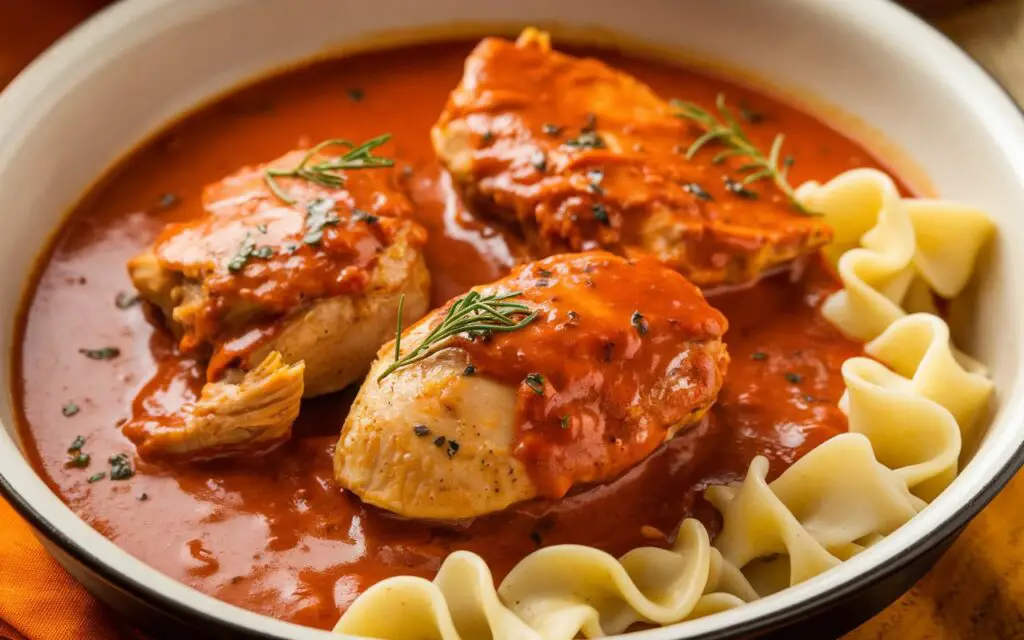
- Turn off or very low heat. Ladle out a small portion of hot sauce into a bowl. Stir in ~½–¾ cup sour cream, tempering it to prevent curdling. Slowly pour this mixture back into the pot, swirling gently. The sauce transforms into a creamy, orangish hue. Taste for salt, pepper, or more paprika if you desire a stronger color or flavor.
- Serve with Noodles or Dumplings
- Plate the chicken pieces and spoon sauce generously. Classic pairings include wide egg noodles or Hungarian nokedli dumplings. Some garnish with a sprinkle of fresh parsley or an extra pinch of paprika for visual pop.
(Note: The biggest risk is burning the paprika when you add it to the hot oil. Lowering the heat or removing the pan from direct heat momentarily helps avoid bitterness. Also, sour cream integration at high heat may curdle—tempering ensures a smooth sauce.)
Flavor Variations
- Garlicky Paprikash
- If you adore garlic, increase it to 3–4 cloves. The synergy of paprika and garlic yields a pungent, sweet-savory sauce.
- Cultural Cross
- Some swirl in a hint of tomato paste or diced tomatoes. That’s more typical in certain “goulash” style dishes, but some paprikash recipes incorporate slight tomato notes.
- Hot Paprika
- For spice enthusiasts, replace a tablespoon of sweet paprika with hot paprika or add chili flakes. This can push the stew into a spicier, but still deeply paprika-forward realm.
- Veggie Adaption
- If you want a partially vegetarian spin, add mushrooms or bell peppers. The dish shifts from pure paprikash but remains close enough in spirit. Some also do a tofu paprikash variation.
Serving & Storage
- Plate Style
- Typically, place a bed of noodles, spaetzle/nokedli, or boiled potatoes, then top with chicken paprikash. Spoon extra sauce generously.
- Leftovers
- Refrigerate in a sealed container up to 2 days. Reheat gently over low heat, stirring to keep sauce from separating. If the sauce thickened, add a splash of broth or water.
- Freezer
- The sauce with sour cream might separate upon thawing. If planning to freeze, consider freezing it pre-sour cream, then adding sour cream upon reheating.
- Side Dishes
- Some pair with a tangy cucumber salad or pickles to offset the creaminess. A simple green salad or roasted vegetables can also balance the meal.
Key Paprika & Sauce Tips
- Quality Paprika
- Hungarian sweet paprika is the star. Freshness matters—paprika older than 6–8 months might lose flavor intensity.
- Avoiding Burnt Paprika
- Even a small burn can add bitterness. Always reduce heat or remove pan from flame before stirring in a large quantity of paprika.
- Sour Cream Integration
- Let sauce cool slightly before mixing in sour cream. A harsh boil after adding sour cream can curdle it, marring the texture.
- Thickness of Sauce
- If you prefer a thinner, lighter sauce, skip or reduce flour/cornstarch. For a thick, clinging gravy, ensure you include the thickening step.
FAQ – Hungarian Chicken Paprikash
Q1: Is chicken breast okay?
A1: You can use boneless breasts, but the dish may be less flavorful or risk dryness if overcooked. Thighs or drumsticks yield a richer taste. Adjust cook times accordingly.
Q2: Do I need sour cream specifically?
A2: That’s classic. But a full-fat Greek yogurt might stand in. The tang is important. If you skip all dairy, you lose the “paprikash” style and end up with a simpler paprika chicken stew.
Q3: Do I use sweet or hot paprika?
A3: Standard is sweet paprika as the main star, possibly a dash of hot if desired. Some folks do half sweet, half hot for a mild bite. Hungarian sweet paprika offers best color and taste.
Q4: Must I brown the chicken first?
A4: Browning intensifies flavor. Some shortcuts skip it, but the result is less savory. Browning is recommended for a deeper, caramelly note in the sauce.
Q5: Could I do a slow cooker version?
A5: Potentially, yes. Brown chicken, sauté onions/paprika, then transfer to slow cooker with stock. Cook low ~5–6 hours. Stir in sour cream at the end. Sauce consistency might differ slightly, but the essence remains.
Conclusion
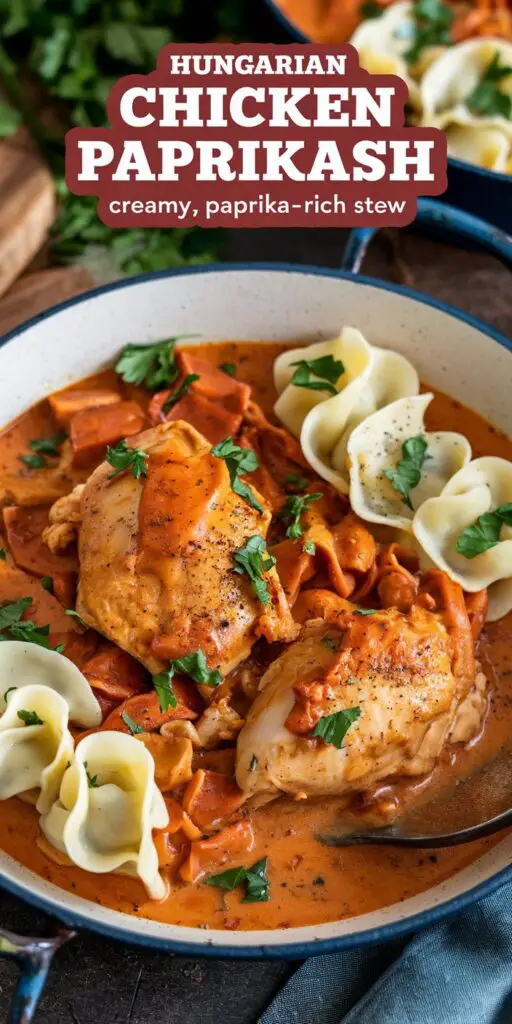
Blending Hungarian paprika, chicken, and sour cream into a deeply satisfying stew, Chicken Paprikash testifies to the magic that arises from minimal yet quality-driven ingredients. Each spoonful merges the sweet warmth of paprika with the succulent texture of braised chicken, culminating in a comfort dish adored throughout Hungary and beyond. Typically served over noodles or dumplings, it transforms a simple dinner into a cozy, warming experience perfect for crisp nights or family gatherings.
Now that you understand how to handle the paprika carefully, build the sauce layers with onions and stock, and finalize the dish with sour cream, why not plan a paprikash dinner soon? After savoring that final sauce-soaked noodle—perhaps garnished with a pinch of fresh parsley—swing back to share your approach. Did you incorporate an extra dash of hot paprika, whisk in the sour cream earlier for a deeper infusion, or add mushrooms? Your creativity might inspire others to explore the addictive charm of Hungarian Chicken Paprikash in their own kitchens.