


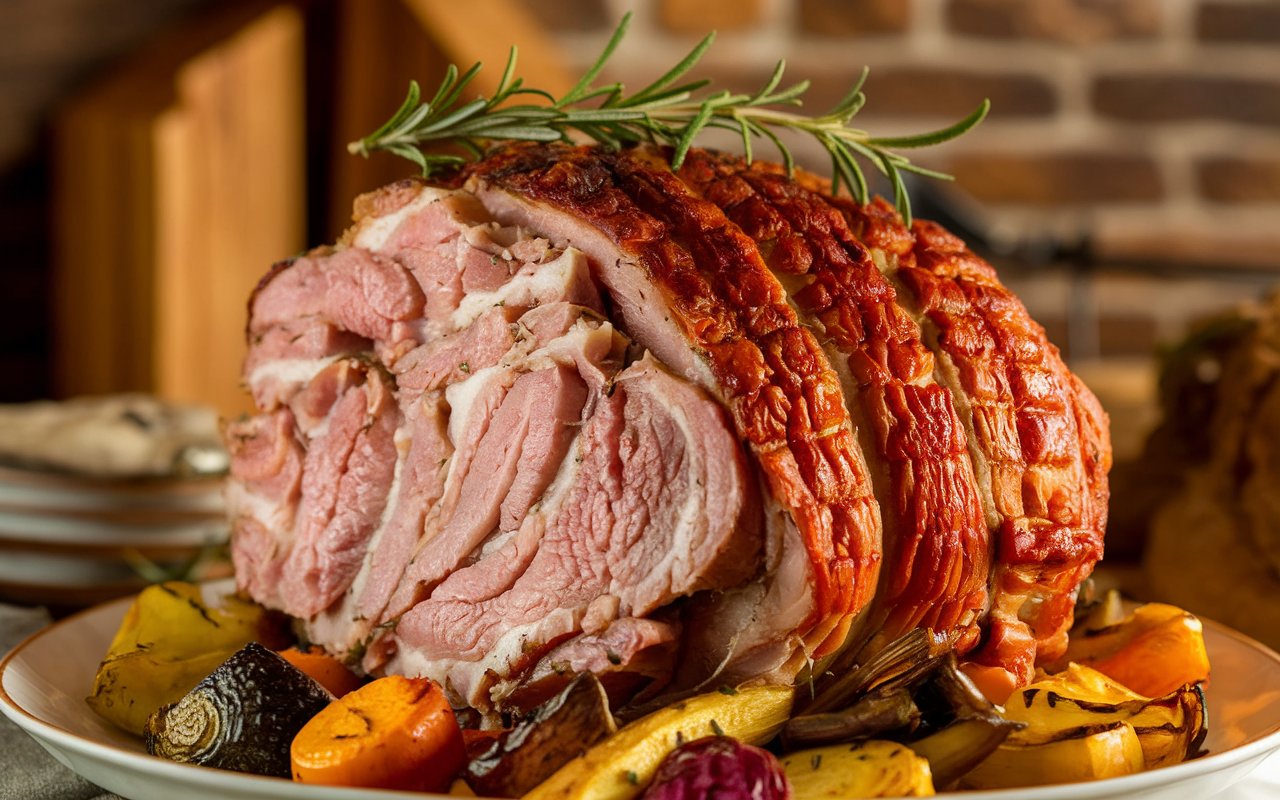
The mouthwatering aroma of fennel, rosemary, garlic, and juicy pork wafting from a hot oven is all it takes to conjure an Italian village scene. Italian Porchetta-Style Pork Roast captures that essence: a succulent, herb-studded pork wrapped in crisp skin or a cloak of fat, roasted low and slow until each slice reveals layers of savory herbs and juicy meat. Traditionally, porchetta in Italy can be a whole pig, de-boned and rolled with spices—an epic display at fairs or markets. But this home-friendly version uses a simpler cut (like pork belly or loin), letting you replicate the hallmark flavors—fennel, garlic, and aromatic herbs—on a more manageable scale.
My first taste of porchetta occurred in a bustling Italian market, where thick slices of herb-laced pork were carved off a massive roast, loaded onto crusty bread, and drizzled with its own juices. The crisp crackling contrasted with the fatty, tender interior. Determined to bring that experience home, I discovered that carefully layering minced garlic, fennel seeds, rosemary, and other spices into a butterflied pork cut, then rolling and tying it, yields a remarkable facsimile of the real deal. Over time, I’ve refined the rub ratio and the technique to ensure a crisp exterior while the inside remains moist. Now, my porchetta-style roast emerges whenever I want to feed a crowd or just indulge in an aromatic Sunday feast.
In this article, we’ll guide you on how to craft Italian Porchetta-Style Pork Roast in your own oven—picking the cut, making the herb paste, rolling and tying effectively, and roasting until that perfect union of crackly exterior and succulent inside. Whether you dream of a classic Italian countryside meal or simply love robust pork roasts, get ready for herb-infused crispy goodness that stands as a centerpiece for any gathering or special occasion.
Section 1: Why Porchetta-Style Pork Roast Fascinates

- Herb & Spice Depth
A blend of fennel seeds, garlic, rosemary, and sometimes sage or thyme seeps into the pork. This medley can transform even a humble cut into a feast bursting with flavor. - Juicy Roast with Crackling
Rolled pork, often with the skin on, emerges with a crisp, crackling outside and tender, fatty inside. Properly done, each slice offers both textures in a single bite. - Festive Presentation
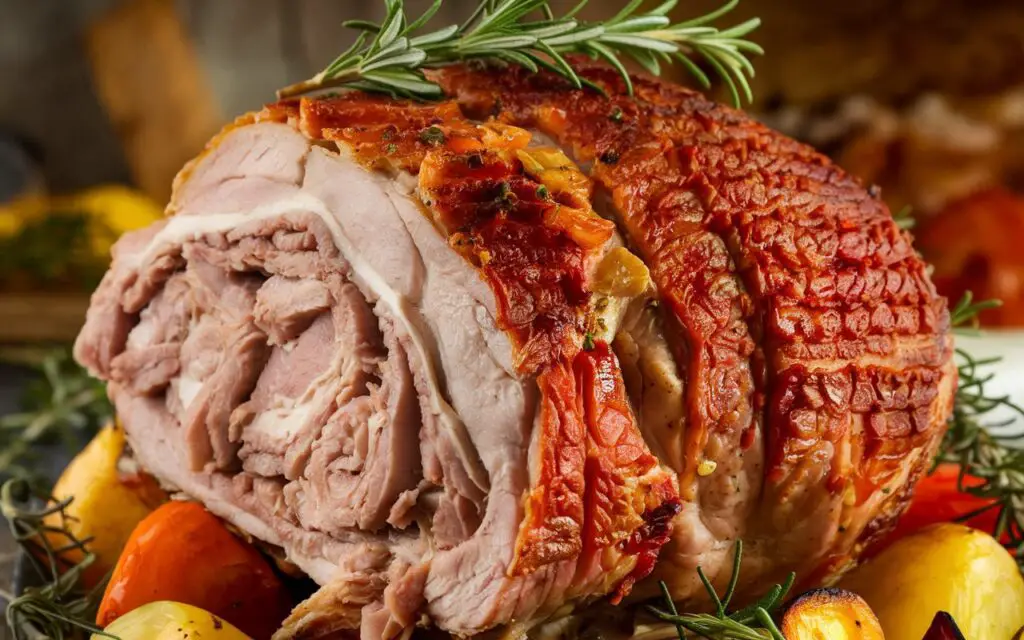
The spiral cross-section of seasoned meat, sliced after resting, looks impressive. Its succulent nature and aromatic presence also fill your kitchen with an irresistible aroma. - Leftovers That Shine
Sliced porchetta is fantastic in sandwiches. Each leftover piece brims with robust seasoning, so no extra sauce is needed—maybe just a bit of mustard or pickled veggies for tang.
Section 2: Ingredient Overview
Use this table to gather around 8–10 servings:
| Ingredient | Quantity | Notes |
|---|---|---|
| Pork Belly or Pork Loin (with some fat) | ~3–4 lbs (~1.3–1.8 kg) | Belly yields better crackling, loin is leaner; sometimes a belly-loin combo |
| Garlic (minced) | 6–8 cloves | A key player in the rub |
| Fennel Seeds (lightly toasted) | 1–2 tbsp | Distinct porchetta flavor, can crush or keep partially whole |
| Rosemary (fresh, chopped) | 2–3 tbsp | Or combine with thyme/sage for extra herb dimension |
| Salt & Pepper | ~1–2 tsp salt per lb of meat | Season vigorously; pepper to taste |
| Chili Flakes (optional) | 1 tsp or to taste | Some versions add subtle heat; skip if you prefer mild |
| Olive Oil | 2–3 tbsp | Helps create a paste for the herb rub |
| Lemon Zest (optional) | 1 tbsp | Adds brightness to the rub |
| Butcher’s Twine | For tying the roast | Essential for holding the roll shape |
| White Wine or Stock (optional) | ~1 cup (for pan) | Aids moisture in the oven, if you choose to add some to the roasting pan |
| Vegetables for Roasting (onions, carrots, potatoes) (optional) | As desired | For a one-pan meal approach |
Section 3: Step-by-Step Recipe (Approx. 3–4 Hours)
- Prepare the Pork
- If using pork belly, trim it into a rectangular shape, ensuring the skin/fat remains. Score the skin in a crosshatch or linear pattern, careful not to cut into the meat. If using pork loin, consider a piece with a healthy fat cap or ask your butcher to butterfly it to create a flat surface for rolling.
- Create the Herb Rub
- In a small bowl or processor, mix minced garlic, crushed fennel seeds (toast them briefly in a dry pan for more aroma), chopped rosemary, salt, pepper, and optional chili flakes. Add a drizzle of olive oil (1–2 tablespoons) to form a paste. If you love brightness, incorporate lemon zest. Adjust salt proportionally—porchetta thrives on assertive seasoning.
- Season & Roll
- Lay the pork belly (skin-side down) or butterflied loin. Spread the herb rub evenly over the surface. If using loin, ensure an even layer so each slice tastes consistent. For belly, focus on the meaty side; leave the skin side un-rubbed to help it crisp.
- Roll the meat tightly into a cylinder, skin/fat on the outside. Tie at 1–2 inch intervals with butcher’s twine to keep shape. Tuck in any loose edges or flaps.
- Dry Skin & Optionally Refrigerate
- Pat the skin or outer surface dry with paper towels. Some recipes recommend leaving it uncovered in the fridge overnight to help the skin dry out, encouraging better crackling. If short on time, proceed directly to roasting but ensure dryness for best results.
- Preheat & Start Roasting
- Preheat oven to 450°F (230°C). Place the rolled roast on a rack in a roasting pan. Drizzle or rub a little salt and olive oil on the skin. Optionally pour 1 cup white wine or stock into the pan to keep things moist (not mandatory).
- Roast at high heat for ~20 minutes, letting the skin begin to bubble or crisp.
- Lower Heat & Slow Roast
- Reduce oven temperature to 325°F (160°C). Continue roasting for about 2–3 hours, depending on the thickness. The internal temperature should reach around 145–150°F (63–66°C) for a juicy result; if you prefer well-done or to ensure extra tenderness, aim for 160°F (71°C).
- During roasting, if the pan dries, add a bit more liquid (wine/stock/water). Baste the skin occasionally with pan drippings if desired.
- Finish Crisping (if needed)
- If the skin isn’t crackling enough, you can raise the temp back to 450°F (230°C) or switch to broil for the final 10 minutes, carefully monitoring to avoid burning.
- Rest & Slice
- Once done, remove from the oven. Tent loosely with foil, resting at least 15 minutes to let juices redistribute.
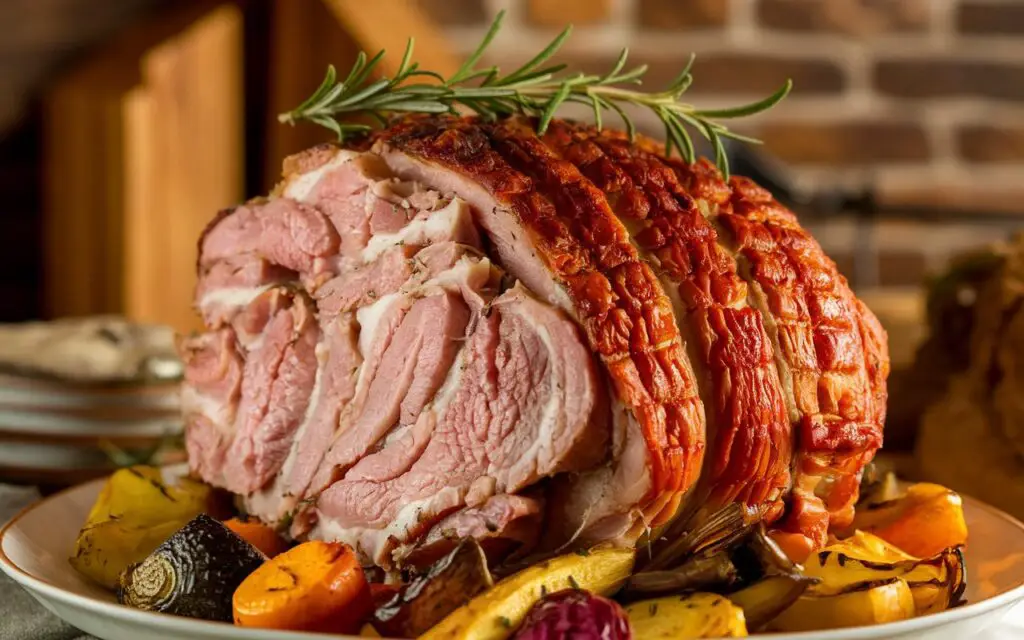
- Slice into rounds, each revealing a spiral of herb paste and succulent meat. Serve warm, possibly with roasted vegetables or crusty bread.
Section 4: Tips for a Showstopper Porchetta
- Proper Seasoning
- Porchetta relies on bold salt, herbs, and spices to flavor the thick cut thoroughly. Don’t skimp—taste test a bit of the rub if uncertain.
- Crackling Technique
- Ensuring dry skin, initial high heat, and occasional basting can yield that coveted crispness. If the skin remains soft, a final blast at high heat or under broil usually resolves it.
- Time & Patience
- Rushing a porchetta leads to uneven cooking or tough meat. Slow roasting ensures layers of fat render, basting the interior for luscious mouthfeel.
- Potential Variation for Loin
- Pork loin can be less fatty. You might wrap it with a piece of pork belly if you want the best of both worlds. If that’s too elaborate, keep an eye on dryness, adding extra stock to the pan or basting frequently.
Section 5: Flavor Variations
- Citrus & Herb
- Incorporate orange or lemon zest generously into the rub. Rosemary and thyme or oregano can replace fennel if you prefer a more floral note.
- Spicy Accent
- Mix red chili flakes or a pinch of cayenne into the rub for a gentle kick. Or drizzle with hot chili oil near the end.
- Wine-Infused Sauce
- The drippings from the pan can form a sauce. Remove excess fat, deglaze with white wine or stock on the stovetop, whisking in a bit of flour or cornstarch for a light gravy.
- Garlic Overload
- Double the garlic if you’re a diehard. Some folks embed thin garlic slices into small incisions in the meat for intense bursts of garlic flavor.
Section 6: Serving Suggestions
- Roasted Vegetables: Carrots, potatoes, onions, fennel—roasted in the same pan or separately—to soak up the herby drippings.
- Polenta or Mashed Potatoes: A soft starch that welcomes the succulent pork.
- Green Salad: Lighten the meal with a crisp side, balancing the richness of porchetta.
- Sandwiches: Leftover porchetta slices on ciabatta or focaccia with arugula and a smear of mustard make a killer lunch.
Section 7: FAQ – Italian Porchetta-Style Pork Roast
Q1: Do I have to use pork belly?
A1: Pork belly is classic for the best crackling and moisture. But pork loin or shoulder can be used if you manage dryness—like adding layers of fat or basting frequently.
Q2: How do I keep the herbs from falling out when rolling?
A2: Press them firmly into the meat. Rolling tightly and tying well with twine helps keep them in place. Chopping or mincing them finely also ensures better adhesion.
Q3: Can I reduce the cooking time?
A3: If you have a smaller piece (2 lbs or less), it may finish in 2 hours or fewer. Always rely on internal temperature to avoid undercooking or dryness.
Q4: Is it possible to make a mini version for fewer people?
A4: Absolutely. Scale down the rub and use a smaller cut—like a 1–2 lb portion of belly or loin. Cook times shorten accordingly, but the technique stands.
Q5: Any tips for slicing?
A5: Use a sharp knife. After a proper rest, the log should hold shape, and each slice unveils a spiral of herbs. If the skin is super crisp, cut gently so you don’t tear out chunks of meat with the crackling.
Conclusion
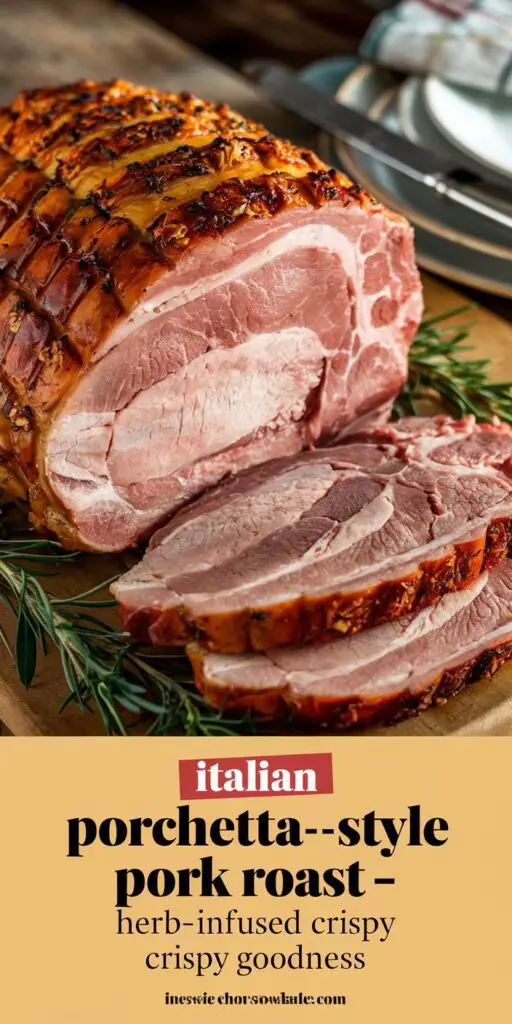
Achieving a mouthwatering, herb-infused crispness over succulent pork might sound complex, but Italian Porchetta-Style Pork Roast proves that with a well-crafted rub, a careful rolling technique, and patient roasting, you can deliver a dish that resonates with centuries of Italian culinary heritage. Each slice unveils a swirl of fennel, garlic, and rosemary, merging with rendered pork fat for a flavor bomb that’s hard to beat.
Now that you’ve gleaned the fundamentals—selecting a cut with enough fat, assembling a robust herb paste, rolling it snugly, and roasting to golden-brown perfection—why not bring a bit of Italy into your kitchen this weekend? After your first bite—maybe accompanied by roasted potatoes and a glass of wine—drop back here to share any personal twists: Did you double up on garlic, include more chili flakes, or perfect a white wine gravy? Your ingenuity might encourage fellow home cooks to see just how accessible and rewarding a homemade porchetta can be.