


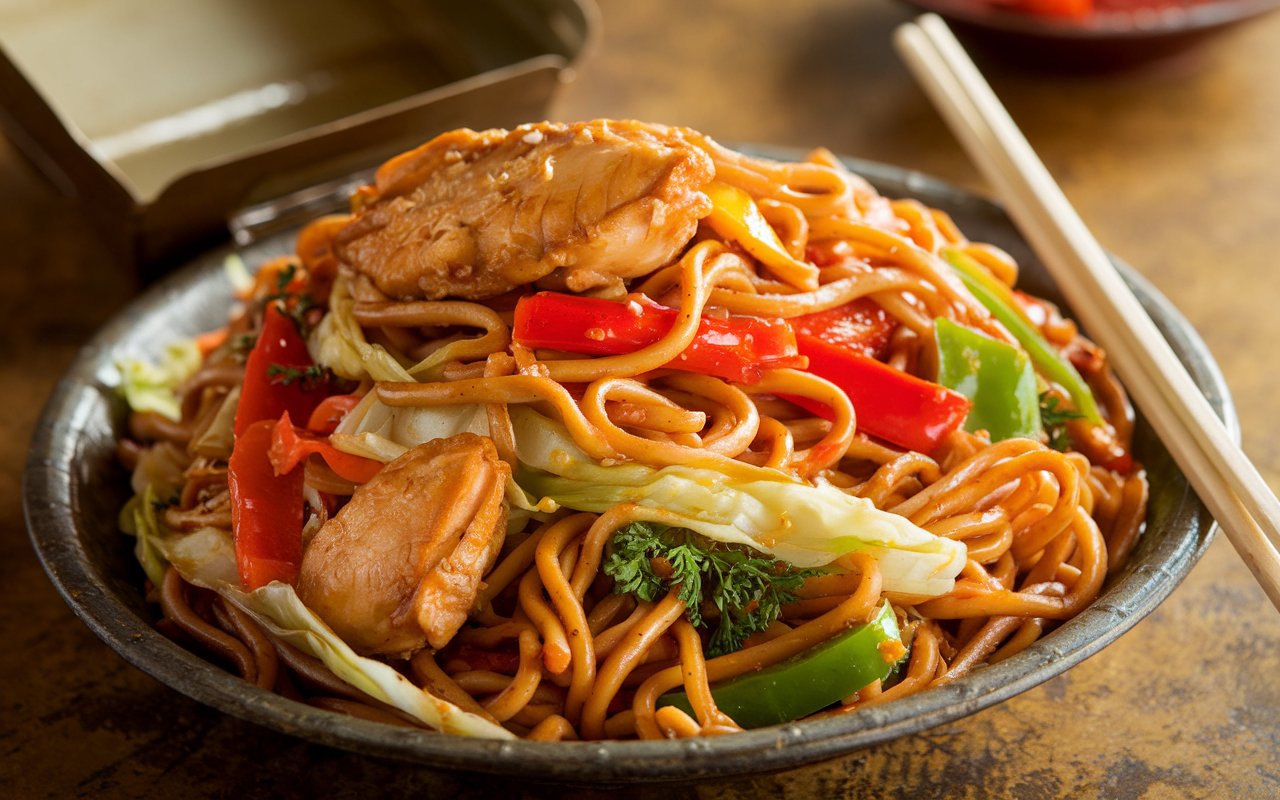
If you’re a fan of Chinese-American cuisine, chances are you’ve made more than a few trips to Panda Express for their famous chow mein. There’s something about those savory noodles, entwined with crunchy cabbage and celery, that feels both comforting and decadent. The beauty of a Chinese recipe like Panda Express Chow Mein is that it can transport you straight to the bustling mall food court or the cozy confines of your favorite takeout spot—without ever leaving your kitchen.
- The Charm of Copycat Recipes
- Ingredients & Preparation Overview
- Step-by-Step Cooking Instructions
- 1. Cook the Noodles
- 2. Prep the Veggies
- 3. Stir-Fry the Vegetables
- 4. Combine Noodles & Sauce
- 5. Final Touches
- Why This Chinese Recipe Is a Must-Try
- Tips, Variations, and Customizations
- Frequently Asked Questions (FAQ)
- Bringing It All Together
- Panda Express Chow Mein: A Beloved Chinese Recipe You Can Perfect at Home
In this guide, you’ll learn how to recreate a spot-on copycat version of the much-loved chain dish. By the end, you’ll have a plate of homemade noodles so close to the original that you may wonder why you waited so long to give it a try.
The Charm of Copycat Recipes

Copycat recipes have soared in popularity over the last decade, largely thanks to the internet and the growing community of passionate home cooks. People love them because they bring restaurant flavors into the home at a fraction of the cost. They also allow for greater control over ingredients—ideal if you’re watching your sodium intake, avoiding certain allergens, or simply prefer to tweak a dish to your liking.
For many, chow mein is one of the most iconic staples of Chinese-American eateries. And when you think of chow mein, Panda Express often springs to mind first. With its signature flavors, slightly saucy noodles, and crisp vegetables, it’s no wonder this is a customer favorite. The key to perfecting this Chinese recipe is striking the right balance between salty and savory, soft and crunchy—a balance you’ll soon master with a few simple tips.
Ingredients & Preparation Overview
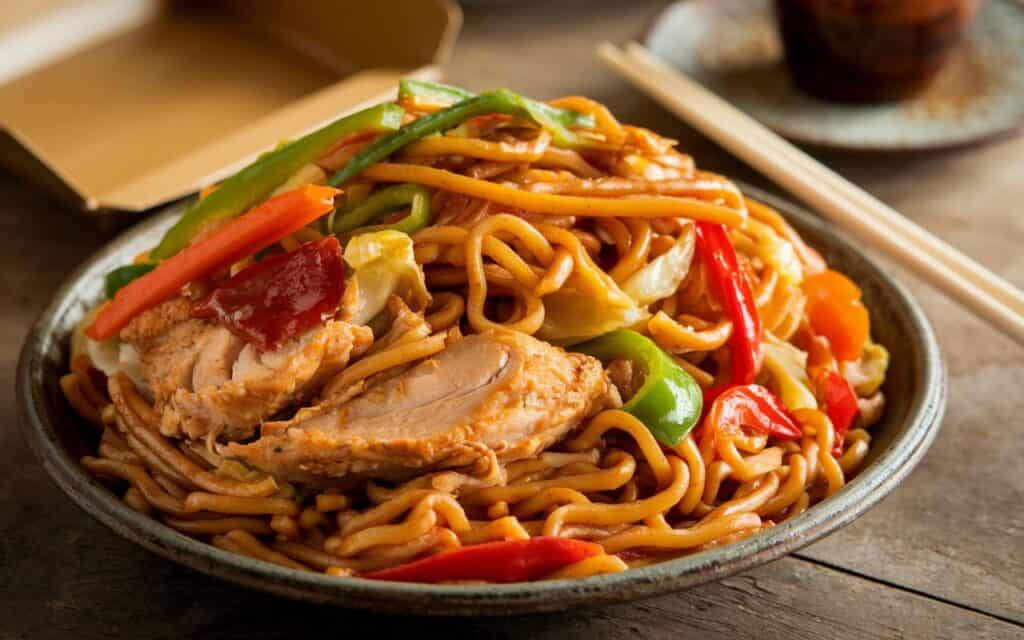
Before you fire up the stove, let’s ensure you have everything you need. Panda Express Chow Mein is surprisingly simple in terms of ingredient list and preparation.
| Ingredient | Quantity | Notes |
|---|---|---|
| Chow Mein Noodles | 10–12 oz | Fresh or dried; can substitute with thin egg noodles |
| Cabbage | 2 cups, shredded | Green cabbage is standard, adds texture |
| Celery | 2 stalks, sliced | Crunch and a subtle peppery flavor |
| Onion | 1 small, sliced | Sweetness and depth |
| Soy Sauce | 3–4 tbsp | Adjust to taste; can use low-sodium if preferred |
| Garlic | 2 cloves, minced | Enhances flavor |
| Ginger | 1 tsp, grated | Optional for extra zing |
| Sesame Oil | 1 tbsp | Nutty aroma, key to authentic chow mein |
| Vegetable Oil | 2 tbsp | For stir-frying |
| Sugar | 1 tsp | Balances savory elements |
Noodle Choice
If you can find fresh chow mein noodles in your local Asian grocery store, they typically work best for that chewy, restaurant-style texture. However, dried noodles also do the job well—just be sure to follow the package instructions for cooking time. Slightly undercooking them can be beneficial because they’ll continue to soften in the wok or pan.
Vegetables
Cabbage, celery, and onion are the classic trio for this Panda Express-style chow mein. Thin slices ensure quick cooking and a uniform bite. You can also toss in shredded carrots or bean sprouts if you’d like more color and texture.
Sauce Elements
Soy sauce, garlic, ginger, and a touch of sugar form the backbone of the chow mein sauce. Some recipes also include oyster sauce or hoisin sauce, but this straightforward combination is often enough to mimic that distinct Panda Express flavor. Adjust the soy sauce level to your taste, especially if you’re sensitive to salt.
Step-by-Step Cooking Instructions
Making chow mein is all about timing and quick, high-heat cooking. Here’s a detailed approach:
1. Cook the Noodles
- Boil Water: Fill a large pot with water and bring it to a boil.
- Add Noodles: Cook according to the package directions, usually around 3–5 minutes for fresh chow mein noodles or 5–7 minutes for dried noodles.
- Drain & Rinse: Drain the noodles, then rinse them with cold water to halt cooking and prevent clumping. Toss them with a small amount of vegetable oil to keep them from sticking together.
2. Prep the Veggies
- Slice and Dice: Shred the cabbage, slice the celery, and thinly slice or chop the onion.
- Mince Garlic & Ginger: If you’re using fresh ginger, peel and grate or mince it. Do the same with garlic.
Setting everything out in separate bowls makes the stir-fry process more efficient. This method is part of the Chinese cooking philosophy of “mise en place,” or having everything in place before you start.
3. Stir-Fry the Vegetables
- Heat the Wok or Large Pan: Over medium-high heat, add 2 tablespoons of vegetable oil.
- Add Onions & Celery: Stir-fry for about 2–3 minutes, until the onions become translucent and the celery slightly softens.
- Incorporate Cabbage: Toss in the shredded cabbage. Stir-fry for another 2 minutes, letting the cabbage wilt but still retain some crunch.
- Aromatics: Stir in the garlic and ginger. Cook for about 30 seconds, releasing their fragrance without letting them burn.
4. Combine Noodles & Sauce
- Add Noodles: Gently place the drained noodles into the pan. Use tongs or chopsticks to lift and toss them with the vegetables, ensuring even distribution.
- Pour In Soy Sauce & Sugar: Start with about 3 tablespoons of soy sauce and 1 teaspoon of sugar. Stir-fry everything together so the noodles absorb the seasoning.
- Drizzle Sesame Oil: Add 1 tablespoon of sesame oil for that authentic Chinese recipe aroma.
- Adjust Seasoning: Taste a noodle. If it seems under-seasoned, add a bit more soy sauce. If it’s too salty, you can add a splash of water to balance it out.
5. Final Touches
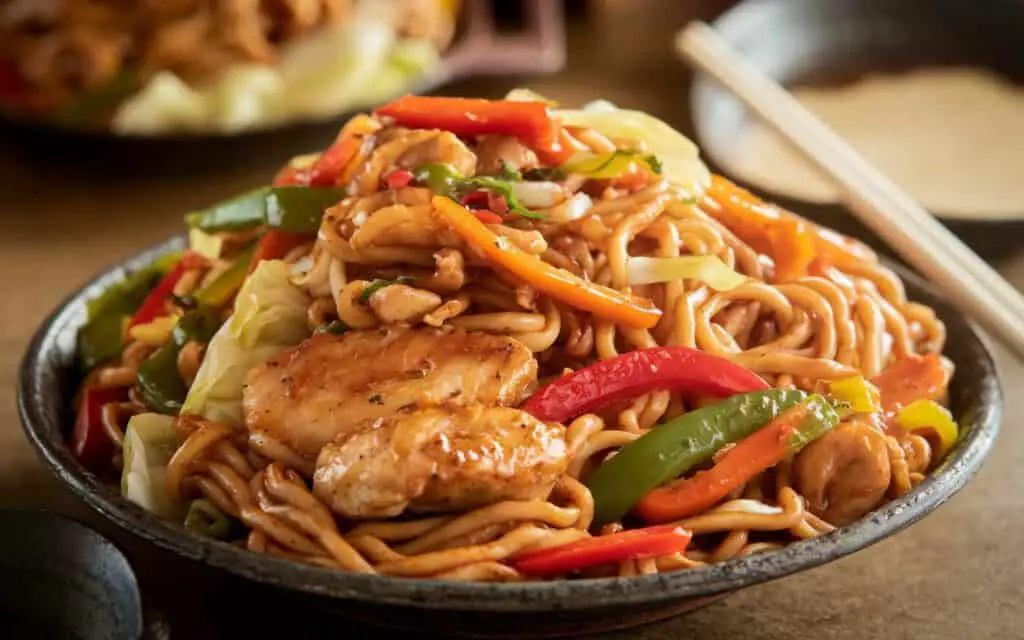
- Heat Through: Stir-fry for another 1–2 minutes to ensure all ingredients are hot and well combined.
- Optional Extra Flavor: If you love a richer sauce, you can add a tablespoon of oyster sauce or hoisin sauce at this point.
- Plate and Serve: Turn off the heat, transfer your chow mein to a serving dish, and enjoy immediately.
Why This Chinese Recipe Is a Must-Try
- Replicates a Restaurant Favorite
Who doesn’t love the convenience of fast-food chow mein? By mastering this copycat recipe, you can recreate the flavors without leaving the house or standing in the takeout line. More importantly, you get to customize it. Less oil? More veggies? Extra sauce? It’s all within your control. - Quick and Accessible
Chow mein is a quick stir-fry dish, making it ideal for weeknights when time is short. You don’t need a barrage of exotic ingredients—soy sauce, oil, noodles, and vegetables are often pantry staples or easily found in most grocery stores. - Budget-Friendly
Buying chow mein out can add up, especially if you feed a large family. At home, you can scale the recipe up or down as needed and typically spend less on the ingredients, especially if you shop for sales on fresh produce. - Healthy Tweaks
If you’re concerned about calories or sodium, preparing this Chinese recipe yourself is a game-changer. You can opt for low-sodium soy sauce, use whole-grain noodles, or fill your chow mein with more vegetables to boost nutrients and fiber.
Tips, Variations, and Customizations
- Protein Additions: Feeling like some meat or seafood? Sliced chicken, shrimp, or thinly sliced beef can all be stir-fried in the same wok before adding vegetables. Just be sure to season them with a pinch of salt or soy sauce as they cook.
- Vegetarian or Vegan: Chow mein is naturally flexible. Leave out any animal protein and stick to veggies. You can also add mushrooms or tofu for extra texture.
- Heat Lovers: Spice things up with chili flakes, a dash of sriracha, or sliced red chilies if you enjoy some heat.
- Crunch Factor: Bean sprouts or thinly sliced carrots add extra crunch and sweetness. Add them toward the end to keep them crisp.
Frequently Asked Questions (FAQ)
- How does homemade chow mein compare to Panda Express?
Homemade chow mein can taste incredibly close to the restaurant version, sometimes even better because you can adjust the flavors to your exact liking. You also have more control over the ingredients’ freshness and quality. - What noodles are best for this Chinese recipe?
Traditional chow mein noodles are ideal. However, if you can’t find them, thin egg noodles or even spaghetti in a pinch will do. Just ensure you don’t overcook them so they stay firm during stir-frying. - Can I make it healthier or gluten-free?
Absolutely. Use gluten-free tamari sauce or coconut aminos in place of regular soy sauce, and look for gluten-free noodle options, such as rice noodles. You can also cut down on oil or add more vegetables to lighten the dish.
Bringing It All Together
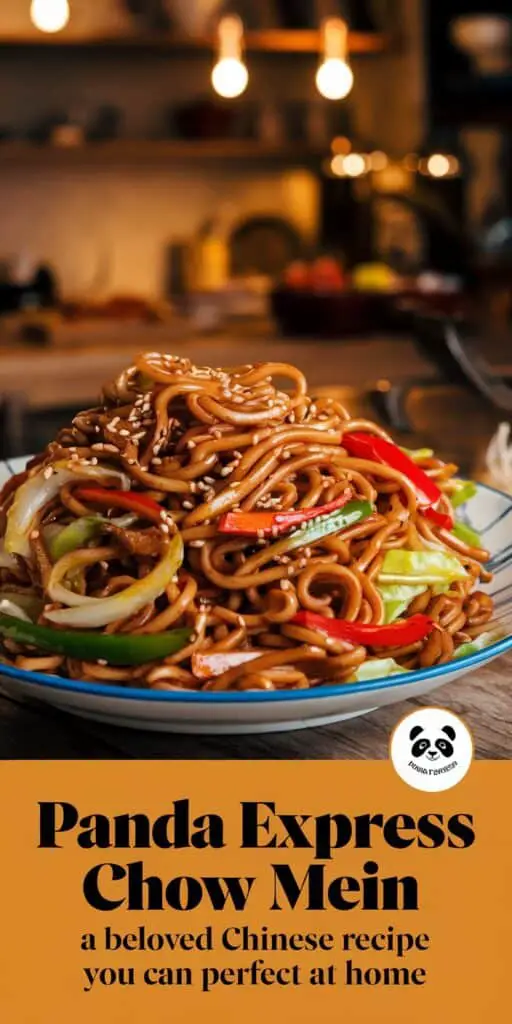
Panda Express Chow Mein is more than just a fast-food side dish; it’s a Chinese recipe steeped in the fusion of flavors that defines Chinese-American cuisine. By learning how to cook it yourself, you gain both a money-saving alternative to takeout and the gratifying experience of perfecting a beloved staple at home.
The next time you’re craving that familiar swirl of savory noodles and crunchy vegetables, remember you don’t have to wait in line or rummage through a takeout menu. Instead, head to your kitchen armed with fresh chow mein noodles, crisp veggies, and the confidence to stir-fry like a pro. In mere minutes, the sizzling aroma of onions, cabbage, and sesame oil will fill your home, culminating in a delicious dish that rivals anything you’d get at Panda Express.
As you plate your chow mein and take the first bite, you’ll appreciate how close you’ve come to capturing the essence of this popular fast-food favorite. And who knows—you might discover that your homemade version not only satisfies your craving but surpasses your expectations. Don’t hesitate to share your culinary triumph with friends and family, invite them over for a chow mein feast, or encourage them to recreate the recipe themselves. After all, the joy of food is amplified when shared, and with this crowd-pleasing meal, you’ll have no shortage of requests for seconds.
Print
Panda Express Chow Mein: A Beloved Chinese Recipe You Can Perfect at Home
- Total Time: 30 minutes
Description
Recreate the iconic flavors of Panda Express at home with this delicious chow mein recipe. Featuring perfectly cooked noodles tossed with a colorful medley of crisp vegetables and coated in a savory, slightly sweet sauce, this dish offers the ideal balance of textures and flavors. Enjoy a restaurant-quality Chinese meal that's surprisingly easy to make in your own kitchen!
Ingredients
For the Noodles:
- 300 g Chow mein noodles or egg noodles (Cook according to package instructions; drain and set aside)
For the Vegetables:
- 1 cup Shredded green cabbage
- 1/2 cup Julienne carrots
- 1/2 cup Bean sprouts (Add at the end for crunch)
- 1/2 cup Thinly sliced celery
- 1/2 medium Onion (thinly sliced)
For the Sauce:
- 2 tbsp Low-sodium soy sauce
- 1 tbsp Oyster sauce
- 1 tbsp Hoisin sauce (Optional for extra depth)
- 1 tsp Granulated sugar (Adjust based on sweetness preference)
- 1/2 tsp Sesame oil (For finishing; adds a nutty aroma)
- 2 tbsp Water or chicken broth (To adjust sauce consistency)
- 1/2 tsp Cornstarch (Dissolved in 1 tbsp water optional, for thickening)
- 1 clove Garlic (minced Optional, for extra aroma)
- 1/2 tsp Fresh ginger (grated Optional)
Instructions
Prepare the Noodles:
- Bring a large pot of salted water to a boil.
- Cook the noodles according to package instructions until al dente.
- Drain and rinse under cold water to stop further cooking; set aside.
Stir-Fry the Vegetables:
- In a wok or large skillet, heat 1–2 tablespoons of vegetable oil over medium-high heat.
- Add the minced garlic and grated ginger (if using) and stir-fry for about 30 seconds until fragrant.
- Add the sliced onion, carrots, and celery. Stir-fry for 3–4 minutes until the vegetables are crisp-tender.
- Toss in the shredded cabbage and stir-fry for another 1–2 minutes.
Combine Noodles and Sauce:
- Add the cooked noodles to the wok with the vegetables.
- In a small bowl, whisk together the soy sauce, oyster sauce, hoisin sauce, sugar, sesame oil, water (or broth), and the cornstarch slurry (if using).
- Pour the sauce over the noodles and vegetables, tossing everything gently to ensure even coating.
- Stir-fry for an additional 2–3 minutes until the sauce is slightly thickened and the flavors meld.
- Just before finishing, fold in the bean sprouts to maintain their crunch.
Garnish and Serve:
- Transfer the chow mein to serving plates.
- Garnish with chopped green onions and a sprinkle of toasted sesame seeds.
- Serve immediately as a delicious, home-cooked Chinese meal.
Notes
- For best texture, avoid overcooking the vegetables; they should remain crisp and vibrant.
- Feel free to adjust the sauce ingredients to suit your taste—more sugar for sweetness or a dash more soy sauce for saltiness.
- For added protein, toss in some cooked chicken, shrimp, or tofu along with the vegetables.
- This dish is best enjoyed immediately, while the noodles are fresh and the vegetables retain their crunch.
Enjoy your Panda Express Chow Mein—a beloved Chinese recipe you can perfect at home for a satisfying, flavorful meal!
- Prep Time: 15 minutes
- Cook Time: 15 minutes
- Category: Main Course
- Cuisine: Chinese
Nutrition
- Calories: 320