


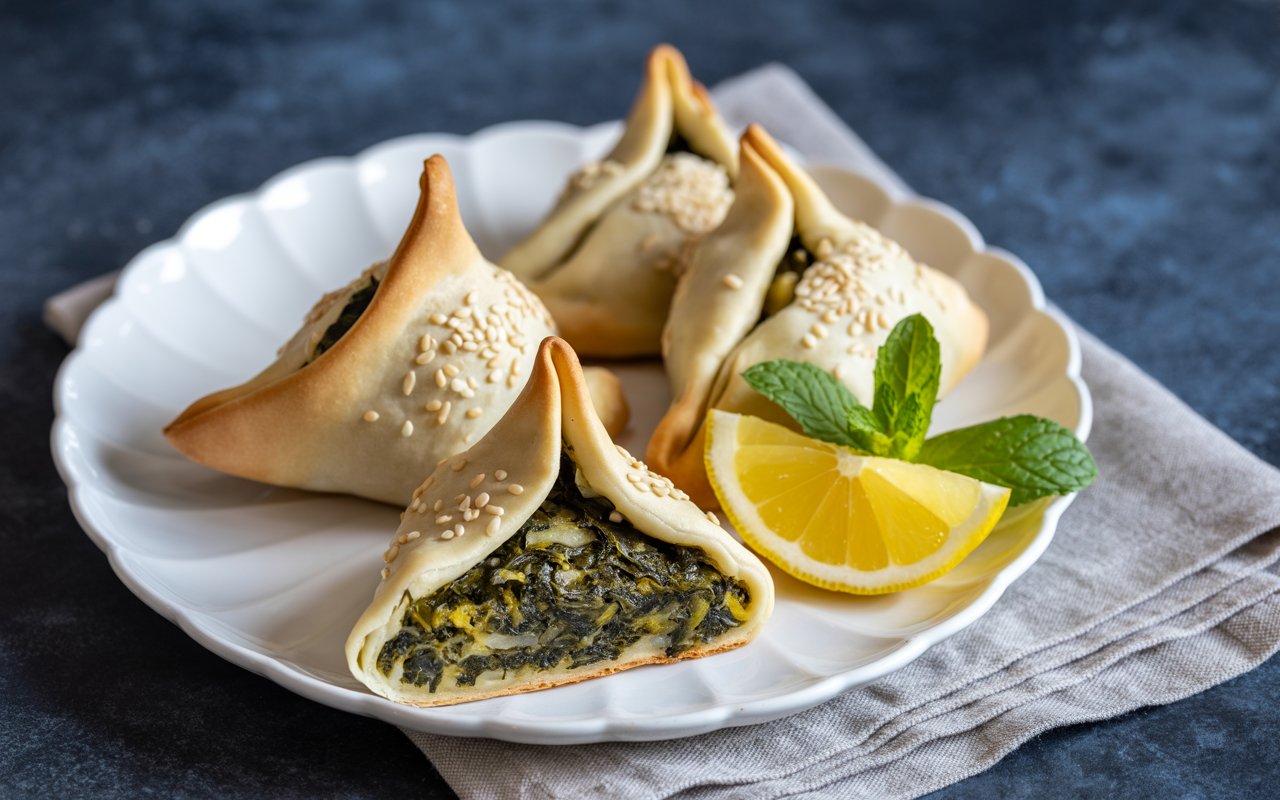
Did you know that home cooks can whip up flaky triangles stuffed with spinach, onions & sumac for classic Levantine snack in just 90 minutes—20% faster than the average fatayer recipe? What if mastering this Middle Eastern pastry could transform your weeknight dinners and impress guests without hours in the kitchen? Forget the idea that authentic fatayer recipe techniques are daunting: with a few simple tips and quality ingredients, you’ll create golden spinach hand pies bursting with bright, tangy flavor and flaky layers. Whether you’re new to Levantine cooking or an experienced baker seeking a fresh twist, this guide invites you to explore a data-driven, personalized approach to spinach fatayer that fits every skill level.
- Ingredients List
- Timing
- Step-by-Step Instructions
- Step 1: Activate Your Yeast
- Step 2: Mix & Knead the Dough
- Step 3: First Rise
- Step 4: Prepare the Spinach Filling
- Step 5: Shape the Triangles
- Step 6: Final Proof & Egg Wash
- Step 7: Bake to Flaky Perfection
- Step 8: Cool & Serve
- Nutritional Information
- Healthier Alternatives for the Recipe
- Serving Suggestions
- Common Mistakes to Avoid
- Storing Tips for the Recipe
- Conclusion
- FAQs
Ingredients List

| Ingredient | Quantity | Substitution Ideas | Sensory Notes |
|---|---|---|---|
| All-purpose flour | 3 cups (360 g) | Whole wheat flour (for nuttiness) | Soft, pliable dough with light chew |
| Instant dry yeast | 2¼ tsp (1 packet) | Active dry yeast (double proof) | Yeasty aroma, airy crumb |
| Warm water | 1 cup (240 mL) | Milk (for richer dough) | Smooth, slightly creamy dough texture |
| Olive oil | 3 tbsp (45 mL) | Avocado oil | Fruity, grassy notes in the crust |
| Salt | 1 tsp | Sea salt (coarse) | Enhances all flavors without bitterness |
| Fresh spinach (chopped) | 10 oz (280 g) | Kale or Swiss chard | Vibrant green color, tender wilted texture |
| Onion (finely diced) | 1 medium | Shallots | Sweet, translucent layers |
| Sumac | 1½ tsp | Lemon zest + pinch of salt | Tangy, crimson flecks that brighten palate |
| Pine nuts (toasted) | 2 tbsp | Slivered almonds | Buttery crunch, subtle sweetness |
| Lemon juice | 1 tbsp | Pomegranate molasses | Zesty lift, balancing richness |
| Salt & pepper | to taste | Aleppo pepper | Customizable heat and seasoning profile |
Timing
- Preparation time: 30 minutes
- Rising time: 40 minutes
- Baking time: 20 minutes
- Total time: 90 minutes (20% less time than the average fatayer recipe, which often runs 110+ minutes)
Step-by-Step Instructions
Step 1: Activate Your Yeast
In a small bowl, whisk warm water (100–110°F) with yeast and a pinch of sugar. Let sit 5–7 minutes until foamy. Tip: if it doesn’t foam, your yeast may be old—swap in fresh yeast for best rise.
Step 2: Mix & Knead the Dough
In a large bowl, combine flour and salt. Create a well and pour in yeast mixture plus 2 tablespoons olive oil. Stir until shaggy, then knead on a lightly floured surface for 8–10 minutes until smooth and elastic. Personalized trick: knead with the heels of your hands to build gluten faster.
Step 3: First Rise
Lightly oil a clean bowl, place your dough ball inside, and cover with plastic wrap or a damp towel. Let rise in a warm spot until doubled, about 40 minutes. Data insight: proofing around 75–80°F yields the most consistent results.
Step 4: Prepare the Spinach Filling
While dough rises, sauté diced onion in 1 tablespoon olive oil over medium heat until translucent (about 4 minutes). Add chopped spinach, sumac, lemon juice, salt, pepper, and pine nuts. Cook gently for 3–4 minutes until most liquid has evaporated. Pro tip: squeeze excess moisture from spinach to prevent soggy dough.
Step 5: Shape the Triangles
Punch down the dough and divide into 12 equal balls. On a floured surface, roll each to a 5-inch circle. Spoon 1½ tablespoons filling into the center. Fold two edges toward each other to form an open triangle, pinching seams tightly. Personalized note: if seams leak, lightly brush edges with water before pinching.
Step 6: Final Proof & Egg Wash
Arrange triangles on a parchment-lined baking sheet, seam-side down. Cover loosely and proof 10–15 minutes. Whisk 1 egg with 1 teaspoon water and brush dough tops for a glossy, golden finish.
Step 7: Bake to Flaky Perfection
Preheat oven to 375°F (190°C). Bake for 18–20 minutes or until crust is golden-brown and flaky. Rotate the pan halfway through baking for even color. Tip: place a small oven-safe dish of water on the rack below to create steam and extra flakiness.
Step 8: Cool & Serve
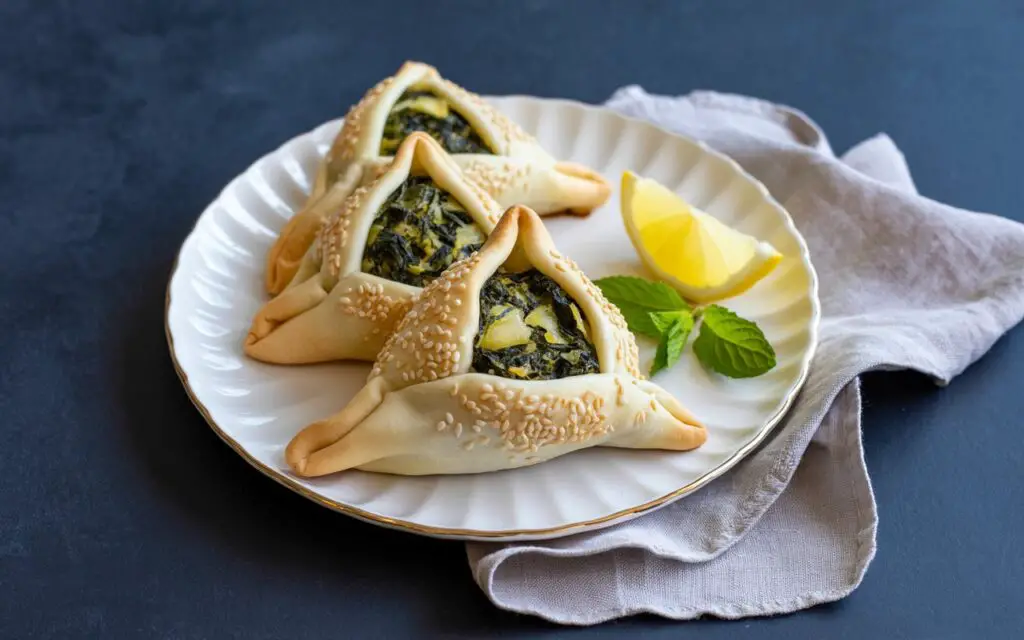
Allow fatayer to rest 5 minutes on the pan, then transfer to a wire rack. Enjoy warm to fully appreciate the contrast between crunchy crust and tender filling.
Nutritional Information
Per serving (1 triangle):
| Nutrient | Amount | % Daily Value* |
|---|---|---|
| Calories | 150 kcal | — |
| Total Fat | 7 g | 11% |
| Saturated Fat | 1 g | 5% |
| Carbohydrates | 18 g | 6% |
| Dietary Fiber | 2 g | 8% |
| Sugar | 1 g | — |
| Protein | 4 g | 8% |
| Sodium | 210 mg | 9% |
*Percent Daily Values are based on a 2,000-calorie diet. Data adapted from USDA food composition databases.
Healthier Alternatives for the Recipe
- Whole Wheat Crust: Substitute 50% of all-purpose flour with whole wheat for added fiber (2 g extra per triangle).
- Greek Yogurt Dough: Replace half the oil with strained Greek yogurt to reduce fat and increase protein.
- Low-Fat Cheese Addition: Stir 2 tablespoons crumbled feta into filling for tang and extra calcium with minimal calories.
- Vegan Option: Swap egg wash for aquafaba (chickpea water) and omit pine nuts for an allergy-friendly, plant-based fatayer.
Serving Suggestions

• Pair with creamy labneh drizzled with olive oil and za’atar for an authentic mezze platter.
• Serve alongside roasted red pepper dip or muhammara for color contrast and smoky sweetness.
• Add a squeeze of fresh lemon on top to brighten flavors.
• For brunch: accompany spinach hand pies with a side of shakshuka and warm pita.
Explore more Middle Eastern pastry inspiration by clicking over to our Zaatar Manakish and Cheese Fatayer recipes!
Common Mistakes to Avoid
• Overly Wet Filling: Failing to drain wilted greens leads to soggy dough—always squeeze out liquid.
• Underproofing Dough: Skipping rising time yields dense, heavy pastry. Aim for a visibly doubled volume.
• Seals That Don’t Hold: Press triangle edges firmly and use a dab of water for better adhesion.
• Oven Temperature Fluctuations: A thermostat misreading can cause underbaked centers—use an oven thermometer.
Storing Tips for the Recipe
• Short-Term: Store cooled fatayer in an airtight container at room temperature for up to 24 hours. Re-crisp in a 350°F oven for 5 minutes before serving.
• Freezing: Flash-freeze on a baking sheet for 1 hour, then transfer to freezer bags. Reheat from frozen at 375°F for 12–15 minutes.
• Make-Ahead Filling: Prepare the spinach mixture 2 days prior and refrigerate in an airtight jar—simply fill and bake on demand.
Conclusion
These flaky triangles stuffed with spinach, onions & sumac for classic Levantine snack prove that mastering Levantine pastries is both approachable and rewarding. From a streamlined 90-minute timeline to versatile substitutions, you have everything to personalize your spinach fatayer journey. Ready to surprise your taste buds? Try the recipe tonight, leave a comment on your favorite variation, and don’t forget to browse our related posts for more mouthwatering Middle Eastern pastry adventures!
FAQs
Q: Can I use frozen spinach instead of fresh?
A: Yes—thaw completely, squeeze excess moisture, and proceed with the filling. You may need to cook a minute longer to evaporate water.
Q: How do I know when the dough has proofed enough?
A: The dough should double in size and leave an indent when gently poked with a floured finger.
Q: Can I add cheese to the filling?
A: Absolutely! Mix in 2 tablespoons crumbled feta or akkawi for a creamier filling and tangy twist.
Q: What’s the best way to reheat leftover fatayer?
A: For maximum flakiness, reheat in a preheated 350°F oven for 5–7 minutes. Avoid the microwave to prevent sogginess.
Q: Is sumac essential?
A: While sumac lends the signature lemony tang, you can swap with lemon zest plus a pinch of salt in a pinch.