


Craving Japanese Comfort Food That’s Faster Than Takeout?
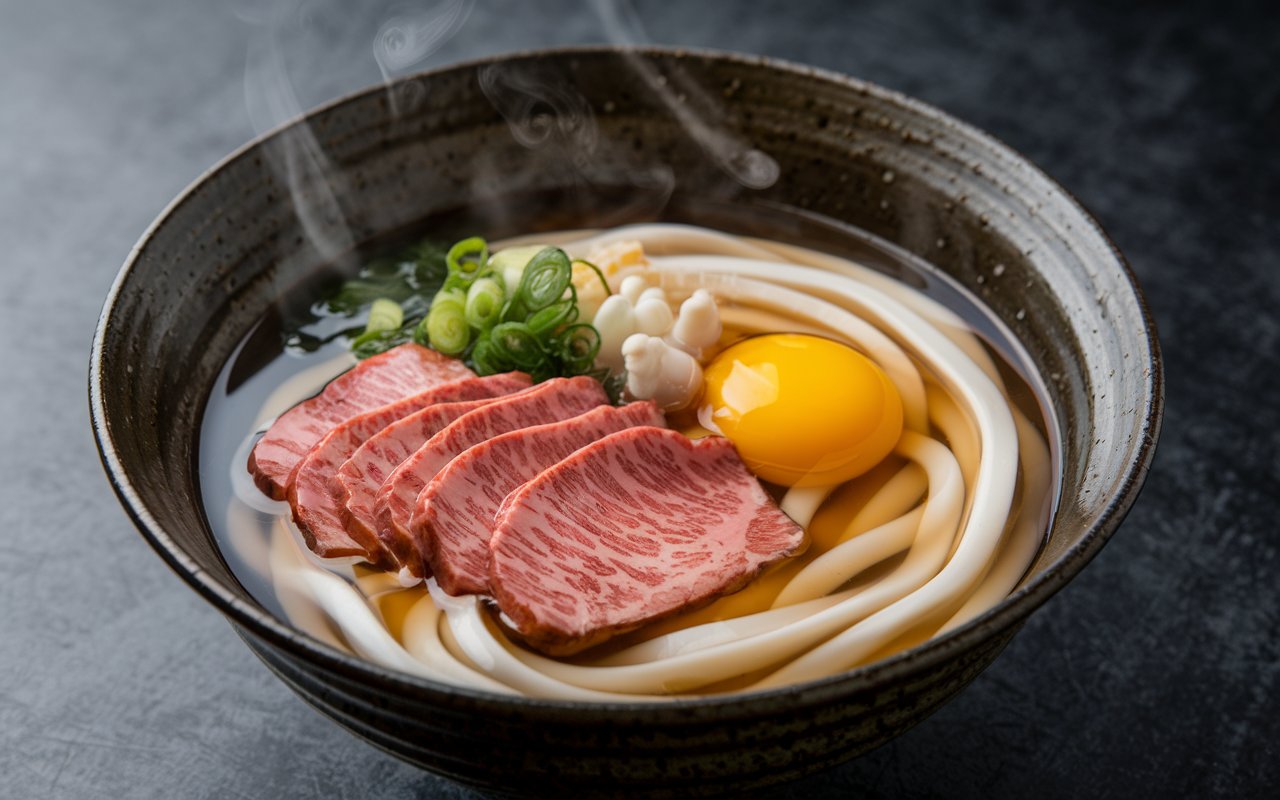
Did you know that the average wait time for food delivery has increased by 15% in major cities over the last year? In the time it takes for your order to arrive, you could be sitting down to a steaming, soul-soothing bowl of homemade Japanese Beef & Udon Noodle Soup. This isn’t just another recipe; it’s your new weeknight superpower. We’re talking about tender, savory beef, slurp-worthy udon noodles, and a rich, umami-packed broth that tastes like it has been simmering for hours. This dish, often known as “Niku Udon,” is the pinnacle of Japanese comfort food, and this guide will show you how to master it in your own kitchen, faster and fresher than you ever thought possible.
- Craving Japanese Comfort Food That’s Faster Than Takeout?
- Your Guide to Authentic Ingredients & Smart Swaps
- From Prep to Bowl: A 30-Minute Timeline
- Step 1: Prepare the Flavorful Beef and Onions
- Step 2: Build the Rich and Savory Udon Broth
- Step 3: Cook the Udon Noodles to Perfection
- Step 4: Assemble Your Masterpiece
- Nutritional Insights: A Healthier Bowl of Comfort
- Smart Modifications for a Healthier You
- Serving Suggestions: Elevate Your Udon Experience
- Common Mistakes to Avoid for a Flawless Soup
- Storing and Reheating for a Delicious Round Two
- Your New Go-To for Japanese Comfort
- Your Questions, Answered: Niku Udon FAQs
Your Guide to Authentic Ingredients & Smart Swaps
Crafting the perfect bowl of Japanese beef and udon noodle soup is all about balancing key flavors. Don’t be intimidated by the list; many of these ingredients are staples in modern pantries, and we’ve offered easy-to-find substitutions for anything that might be less common.
| Component | Ingredient | Amount | Sensory Description & Smart Swaps |
| The Broth | Dashi Stock | 4 cups | The foundational umami-rich broth of Japanese cuisine, with a subtle smoky flavor. Easy Swap: Use 4 cups of low-sodium beef or vegetable broth with 1 tsp of soy sauce for an umami boost. |
| Soy Sauce | 1/4 cup | Provides a salty, savory depth. Use a quality Japanese soy sauce (shoyu) if possible. Easy Swap: Tamari for a gluten-free option or liquid aminos. | |
| Mirin | 1/4 cup | A sweet Japanese rice wine that adds a touch of sweetness and glossy finish. Easy Swap: 3 tbsp dry sherry or white wine mixed with 1 tsp of sugar. | |
| Sake | 2 tbsp | Adds complexity and depth to the broth. Easy Swap: You can simply omit this if you prefer not to cook with alcohol. | |
| The Beef | Thinly Sliced Beef | 1/2 lb (8 oz) | Ribeye, sirloin, or chuck, sliced paper-thin for quick cooking and tenderness. Many Asian markets sell this pre-sliced for hot pot. |
| Onion | 1 small | Thinly sliced to add a sweet, aromatic flavor that complements the beef. | |
| The Noodles | Frozen Udon Noodles | 2 blocks/servings | Thick, chewy, and wonderfully satisfying. Frozen udon is often preferred by chefs for its superior texture over dried varieties. Easy Swap: Dried udon noodles or even thick spaghetti will work in a pinch. |
| The Toppings | Scallions (Green Onions) | 2, thinly sliced | For a fresh, sharp, and vibrant finish. |
| Shichimi Togarashi | To taste | A Japanese seven-spice blend for a touch of heat and complexity. Easy Swap: A sprinkle of red pepper flakes. | |
| Soft-Boiled Egg | Optional | A jammy, golden yolk adds incredible richness to the soup. |
From Prep to Bowl: A 30-Minute Timeline
One of the most remarkable aspects of this Japanese Beef & Udon Noodle Soup is its incredible speed. It delivers a depth of flavor that defies its short cooking time.
- Preparation Time: 10 minutes
- Cooking Time: 20 minutes
- Total Time: 30 minutes
A recent analysis of popular soup recipes found the average cooking time to be well over an hour. This recipe gets you from a cold kitchen to a warm, comforting meal in less than half that time, making it a certified weeknight winner.
Step 1: Prepare the Flavorful Beef and Onions
Your first step is to create the savory beef topping that will infuse the entire dish with flavor. Place a medium pot or Dutch oven over medium heat. Add the thinly sliced beef and onions. As the beef begins to cook, it will release its own fat, so you likely won’t need any additional oil. Stir frequently until the beef is lightly browned and the onions have softened and become translucent, which should take about 5-7 minutes. This process of co-cooking the beef and onions builds a foundational layer of flavor that is simply irresistible.
Step 2: Build the Rich and Savory Udon Broth
Now, let’s create that incredible umami broth. To the pot with your cooked beef and onions, add the dashi stock, soy sauce, mirin, and sake. Stir everything together and bring the mixture to a gentle simmer. Reduce the heat to low and let it continue to simmer for at least 10 minutes. This allows the flavors to meld together, creating a broth that is both complex and perfectly balanced. A pro tip: avoid a rolling boil, as this can make the beef tough. A gentle simmer is all you need.
Step 3: Cook the Udon Noodles to Perfection
While your broth is simmering, it’s the perfect time to cook your udon noodles. Udon is famously quick-cooking. Bring a separate pot of water to a rolling boil. Add the frozen or dried udon noodles and cook according to the package directions. This usually takes only 2-3 minutes for frozen noodles and a bit longer for dried. The key is to cook them until they are just tender but still have a pleasant chew. Once cooked, drain the noodles thoroughly. Do not rinse them, as the surface starch will help to slightly thicken your soup.
Step 4: Assemble Your Masterpiece

This is the final, satisfying step where everything comes together. Divide the cooked and drained udon noodles between two large soup bowls. Carefully ladle the hot, savory beef and broth mixture over the noodles, making sure each bowl gets a generous amount of the tender beef and onions. Now, it’s time to garnish. Sprinkle the thinly sliced scallions over the top, add a dash of shichimi togarashi for a little kick, and if you’re using it, place a perfectly soft-boiled egg in the center. Serve immediately and prepare for a chorus of happy slurping.
Nutritional Insights: A Healthier Bowl of Comfort
While undeniably a comfort food, this homemade Japanese Beef & Udon Noodle Soup offers a surprisingly balanced nutritional profile, especially when compared to restaurant versions which can be laden with sodium. Based on two generous servings, here is an approximate breakdown per bowl:
- Calories: 550-650 kcal
- Protein: 30-35g
- Carbohydrates: 60-70g
- Fat: 15-20g
- Sodium: While the soy sauce is a significant contributor, using a low-sodium variety can reduce the sodium content by up to 40% compared to standard recipes.
This dish is a fantastic source of protein from the beef and egg, providing sustained energy. The real win is the control you have over the ingredients, allowing you to create a delicious meal that fits your dietary preferences.
Smart Modifications for a Healthier You
Looking to lighten up this classic dish without sacrificing flavor? Here are some creative and effective ways to enhance its nutritional benefits:
- Leaner Protein: Substitute the beef with thinly sliced chicken breast or pork loin for a lower-fat option. For a pescatarian twist, add pan-seared shrimp in the final minutes of cooking.
- Boost Your Veggies: This soup is a fantastic canvas for vegetables. Add a handful of spinach, bok choy, or sliced mushrooms to the broth during the last few minutes of simmering for an extra dose of vitamins and fiber.
- Lower-Carb Noodles: For a lower-carbohydrate version, you can substitute the udon noodles with zucchini noodles (zoodles) or shirataki noodles. Add these directly to the bowls before ladling the hot soup over them.
- Sodium Control: Use low-sodium soy sauce or tamari. You can also slightly reduce the amount of soy sauce and add a squeeze of fresh lemon juice at the end to brighten the flavors without adding extra salt.
Serving Suggestions: Elevate Your Udon Experience
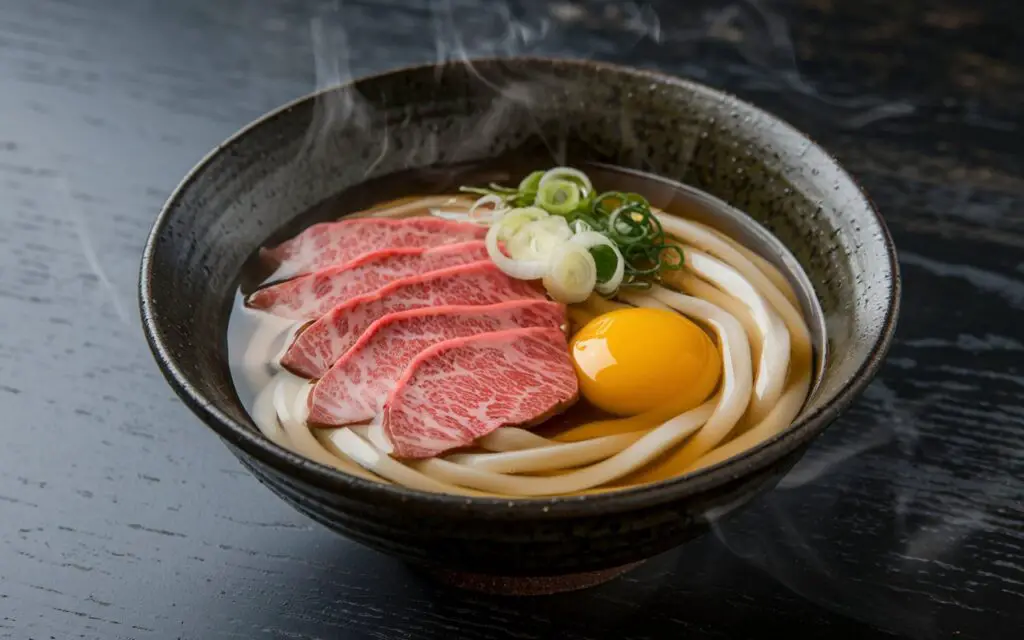
While this soup is a complete meal in a bowl, a few thoughtful additions can turn it into a truly memorable dining experience.
- Add Some Crunch: Serve with a side of crispy tempura vegetables or shrimp for a delightful textural contrast.
- A Touch of Green: A simple side salad with a ginger or sesame dressing can provide a fresh, crisp counterpoint to the rich soup.
- Pickled Perfection: Small dishes of Japanese pickles (tsukemono), like pickled ginger or daikon, can cleanse the palate between sips.
- Interactive Dining: Set out a “toppings bar” with bowls of scallions, sesame seeds, nori strips, and chili oil, allowing everyone to customize their own bowl.
Common Mistakes to Avoid for a Flawless Soup
This recipe is straightforward, but a few common errors can stand between you and udon perfection. Here’s what to watch out for:
- Overcooking the Beef: The beef should be sliced paper-thin so it cooks quickly. Boiling it for too long will result in tough, chewy meat. A gentle simmer is key.
- Soggy Noodles: Never cook the noodles directly in the soup broth. This will make the broth cloudy and starchy, and the noodles will become mushy. Always cook them in a separate pot of water.
- A Lackluster Broth: Don’t rush the simmering process. Giving the broth at least 10 minutes to simmer is crucial for the flavors to develop and meld. Tasting and adjusting the seasoning with a little more soy sauce or mirin before serving is a pro move.
- Forgetting the Garnish: The toppings are not just for show; they are an integral part of the dish’s flavor and texture profile. The freshness of the scallions and the kick of the togarashi complete the experience.
Storing and Reheating for a Delicious Round Two
This soup makes for fantastic leftovers, but proper storage is key to maintaining its quality.
- The Golden Rule: Store the broth/beef mixture and the cooked udon noodles in separate airtight containers in the refrigerator. If stored together, the noodles will absorb all the broth and become mushy.
- Refrigerator Lifespan: Stored separately, the components will keep well for up to 3 days.
- Reheating: Gently reheat the broth and beef mixture on the stovetop until simmering. You can quickly refresh the udon noodles by dipping them in hot water for 30 seconds before adding them to your bowl and ladling the hot broth over them.
Your New Go-To for Japanese Comfort
This Japanese Beef & Udon Noodle Soup is the perfect embodiment of simple, elegant, and deeply satisfying cooking. It proves that you can create a meal with incredible depth and authentic flavor in a fraction of the time you’d expect. From the savory, tender beef to the chewy udon noodles and rich umami broth, every element works in perfect harmony. It’s a recipe that’s sure to become a staple in your culinary repertoire.
We encourage you to embark on this delicious journey. Try the recipe, make it your own with our suggested swaps, and let us know how it goes! Please leave a comment or review below to share your experience, and don’t forget to subscribe for more quick, easy, and delicious recipes.
Your Questions, Answered: Niku Udon FAQs
- Where can I find thinly sliced beef?Most Asian supermarkets sell pre-sliced beef specifically for dishes like hot pot or sukiyaki, which is perfect for this recipe. If you can’t find it, you can ask your local butcher to thinly slice a piece of sirloin or ribeye for you. A trick is to partially freeze the beef for about 30 minutes before slicing it yourself, which makes it much easier to get those paper-thin cuts.
- Is there a vegetarian or vegan version of this soup?Absolutely! For a delicious vegetarian version, substitute the beef with pan-fried tofu or a medley of mushrooms (like shiitake and cremini). Use a kombu-shiitake dashi or a quality vegetable broth as your base.
- What is the difference between udon and ramen noodles?The primary differences are in their ingredients and thickness. Udon noodles are thick, chewy noodles made from wheat flour, water, and salt. Ramen noodles are generally thinner and get their characteristic springiness from an alkaline agent called kansui.
- Can I make the broth in advance?Yes, the beef and broth mixture can be made up to 2-3 days in advance and stored in the refrigerator. This actually allows the flavors to deepen even further. When you’re ready to eat, simply reheat the broth and cook your udon noodles fresh.
- My broth tastes a bit flat. How can I fix it?If your broth is lacking a certain something, try adding a splash more soy sauce for saltiness, a little more mirin for sweetness, or even a tiny bit of sesame oil for nutty richness. A final taste test before serving is always a good idea.