


How to Make Silky, Perfect Homemade Egg Pasta
What if I told you that you could create restaurant-quality, silky, and tender pasta with a rich flavor that store-bought varieties simply can’t match, using just four basic ingredients? For years, the idea of making pasta from scratch felt like a monumental task, something reserved for Italian nonnas or professional chefs. I imagined a kitchen dusted in flour and hours of complicated work. But the first time I transformed a simple mound of flour and eggs into beautiful, fresh noodles, I realized the truth: making homemade egg pasta is not only incredibly simple but also a deeply satisfying and meditative process. This is your ultimate guide to mastering that art.
- How to Make Silky, Perfect Homemade Egg Pasta
- Your 4-Ingredient Toolkit for Pasta Perfection
- Timing Your Pasta-Making Adventure
- Step 1: Form the Flour Volcano
- Step 2: Bring the Dough Together
- Step 3: Knead to Silky Smoothness
- Step 4: Let the Dough Rest
- Step 5: Roll and Cut Your Pasta
- Nutritional Insights
- Healthier Alternatives to Consider
- Sensational Serving Suggestions
- Common Mistakes to Avoid for Perfect Pasta
- Storing Your Fresh Pasta
- Your Gateway to Authentic Italian Cooking
- Frequently Asked Questions
This isn’t just a recipe; it’s a foundational skill that will unlock a new world of culinary possibilities. Forget everything you thought you knew about the complexity of fresh pasta. We’re about to create a dough that’s pliable, easy to work with, and cooks up into the most delicious pasta you’ve ever tasted.
Your 4-Ingredient Toolkit for Pasta Perfection
The magic of authentic fresh pasta lies in its simplicity. Here are the humble, high-quality ingredients you’ll need to create this culinary staple.
| Ingredient | Amount | Substitution Suggestions & Notes |
| All-Purpose Flour | 2 cups (10 oz / 283g) | For a chewier, more traditional pasta, use “00” flour (doppio zero). |
| Large Eggs | 3 | Farm-fresh eggs with deep orange yolks will give your pasta a beautiful golden color. |
| Water | 1 tbsp | You may need a little more or less depending on the humidity and your flour. |
| Extra Virgin Olive Oil | 1 tbsp | This adds flavor and makes the dough more pliable. |
Timing Your Pasta-Making Adventure
Making fresh pasta is a process of love, but it’s more about resting than active work. Here’s a breakdown of the time you’ll need.
- Active Prep Time: 20-25 minutes (for mixing and kneading)
- Resting Time: 30 minutes (minimum)
- Total Time: Approximately 1 hour
This from-scratch recipe is remarkably efficient in terms of hands-on time. It takes about 30% less active effort than making a loaf of sourdough bread, making it a perfectly manageable and rewarding kitchen project.
Step 1: Form the Flour Volcano
There are two ways to start your dough: the traditional way or the food processor way. For the traditional method, pour the flour onto a clean work surface and create a large well in the center, like a volcano. In a small bowl, whisk together the eggs, water, and olive oil. Pour this egg mixture into the center of the flour well.
Step 2: Bring the Dough Together
Using a fork, gently begin to whisk the eggs in the center, gradually incorporating flour from the inner walls of the volcano. Continue until the liquid is mostly absorbed and a shaggy dough begins to form. Once it’s too thick to use a fork, use your hands or a bench scraper to bring the remaining flour into the center and form a cohesive ball of dough.
(Food Processor Method: Combine flour, eggs, water, and oil in the bowl of a food processor. Pulse until the mixture resembles coarse crumbs. Turn the mixture out onto a work surface and press it together to form a ball.)
Step 3: Knead to Silky Smoothness
Now for the therapeutic part. Lightly flour your work surface. Knead the dough by pressing the heel of your hand into it, pushing away from you, then folding the dough back over itself. Give the dough a quarter turn and repeat. Continue this process for 8-10 minutes. The dough is ready when it is smooth, elastic, and springs back slowly when you poke it. It should feel firm and silky, not sticky.
Step 4: Let the Dough Rest
This step is non-negotiable! Wrap the ball of dough tightly in plastic wrap or place it in a sealed bag. Let the dough rest at room temperature for at least 30 minutes, but up to 2 hours. This allows the gluten to relax, making the dough much easier to roll out.
Step 5: Roll and Cut Your Pasta
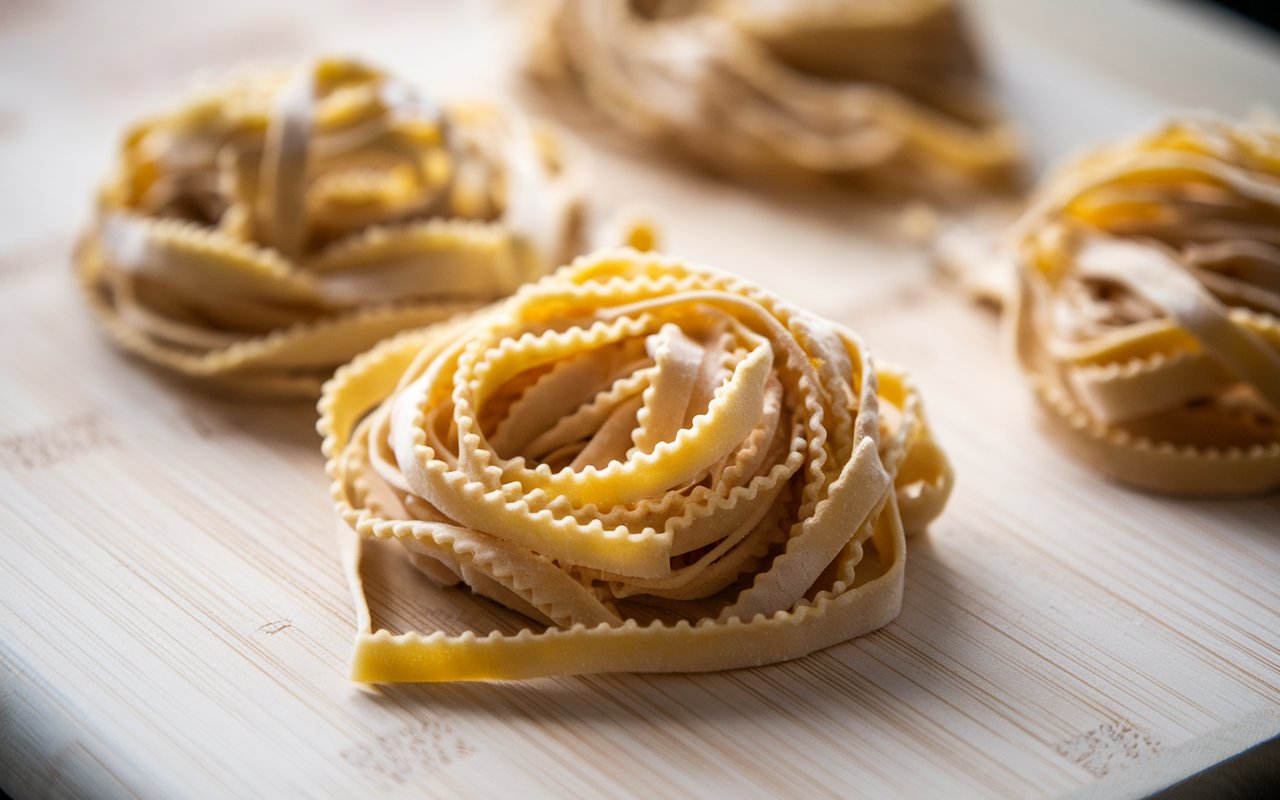
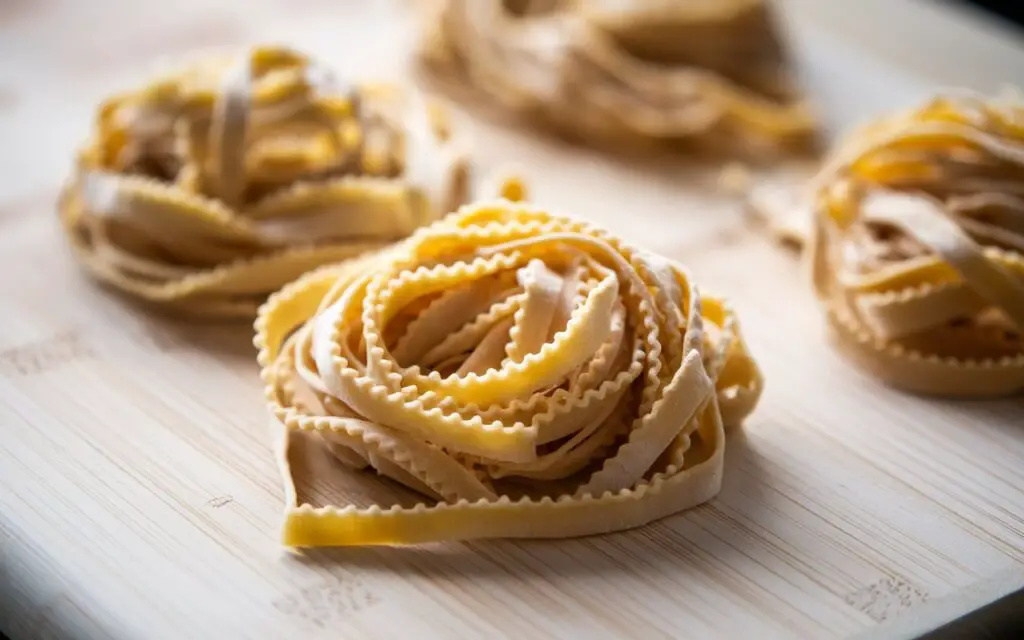
Once rested, unwrap the dough and cut it into four equal pieces. Work with one piece at a time, keeping the others wrapped to prevent them from drying out. Lightly flour your work surface and rolling pin. Begin to roll out the dough, starting from the center and rolling outwards, turning the dough a quarter turn after each roll. Continue until you have a very thin sheet of pasta (you should almost be able to see your hand through it). From here, you can cut it into your desired shape: fettuccine, pappardelle, or use it for ravioli or lasagna.

Nutritional Insights
Here’s an approximate nutritional breakdown per serving, assuming the recipe yields 4 servings:
- Calories: ~350 kcal
- Protein: ~13g
- Carbohydrates: ~58g
- Fat: ~6g
- Fiber: ~2g
- Sodium: ~65mg (before salting pasta water)
Homemade egg pasta is a fantastic source of protein and complex carbohydrates for sustained energy.
Healthier Alternatives to Consider
While the classic recipe is a thing of beauty, you can easily adapt it to suit different dietary preferences.
- Whole Wheat Power: For a heartier, more fibrous pasta, substitute half of the all-purpose flour with whole wheat flour. You may need an extra splash of water as whole wheat flour is more absorbent.
- Spinach Infusion: To create beautiful green pasta, blanch a large handful of fresh spinach, squeeze out all the excess water, and blend it with the eggs before mixing with the flour.
- Gluten-Free Option: While trickier, you can make gluten-free pasta using a high-quality measure-for-measure gluten-free flour blend. These blends often contain xanthan gum, which helps mimic the elasticity of gluten.
Sensational Serving Suggestions
Freshly made pasta has a delicate texture and flavor that shines with simple sauces.
- Classic Butter and Sage: A simple brown butter sauce with fresh sage leaves is a timeless and elegant pairing.
- Cacio e Pepe: Toss the cooked pasta with freshly cracked black pepper, Pecorino Romano cheese, and a little starchy pasta water for a classic Roman dish.
- Pesto Perfection: The texture of fresh pasta is perfect for clinging to a vibrant, homemade basil pesto.
- Simple Tomato Sauce: A light, fresh tomato and basil sauce allows the flavor of the egg pasta to come through beautifully.
Common Mistakes to Avoid for Perfect Pasta
For flawless homemade pasta every time, sidestep these common pitfalls:
- Not Kneading Enough: Under-kneaded dough will be difficult to roll out and will result in tough pasta. Don’t skimp on the 8-10 minute kneading time.
- Dough is Too Wet or Too Dry: The perfect pasta dough should be firm and not sticky. If it’s too sticky, add flour one tablespoon at a time. If it’s too dry and crumbly, add water ½ teaspoon at a time.
- Skipping the Resting Period: This is the most crucial step! Resting allows the gluten to relax. If you skip it, the dough will be extremely difficult to roll out and will keep snapping back.
- Not Using Enough Flour When Rolling/Cutting: Lightly flouring your work surface, the dough, and your pasta machine or knife is essential to prevent sticking.
Storing Your Fresh Pasta
Proper storage is key to enjoying your homemade pasta now or later.
- Short-Term (A few hours): You can dust the cut pasta nests with flour, cover them with a clean kitchen towel, and leave them at room temperature for a couple of hours.
- Refrigeration: For longer storage, dust the pasta well with flour, arrange it in a single layer on a baking sheet, and refrigerate for up to 2 days.
- Freezing: This is the best method for long-term storage. Let the fresh pasta dry for about 30 minutes, then dust with flour and portion it into freezer-safe bags. It will keep for up to 2 months. Cook directly from frozen, adding an extra minute or two to the cooking time.
Your Gateway to Authentic Italian Cooking
Mastering homemade egg pasta is a culinary rite of passage that is far simpler than you imagine. This four-ingredient recipe provides the foundation for countless delicious meals, from simple buttered noodles to complex stuffed ravioli. The process is a rewarding experience that connects you to your food in a profound way, and the taste is simply unparalleled.
I wholeheartedly encourage you to try this recipe and discover the simple joy of creating fresh pasta from scratch. Share your creations and favorite pasta shapes in the comments below. For more foundational recipes that will elevate your cooking, be sure to subscribe to our blog!
Frequently Asked Questions
Do I need a pasta machine to make this?
No! While a pasta machine makes rolling the dough easier and more uniform, you can absolutely roll it out by hand with a large rolling pin. It’s a great workout!
Why is my pasta dough tough?
Tough pasta is usually a result of either not kneading the dough enough or not letting it rest for the full 30 minutes. Both steps are crucial for developing and then relaxing the gluten.
How do I cook fresh pasta?
Fresh pasta cooks much faster than dried pasta. Bring a large pot of heavily salted water to a rolling boil. Add the fresh pasta and cook for just 2-4 minutes, or until it floats to the top and is tender to the bite.
Can I make this recipe vegan?
Traditional egg pasta relies on eggs for its richness and structure. For a vegan version, you would make a different type of dough, typically using semolina flour and water.