


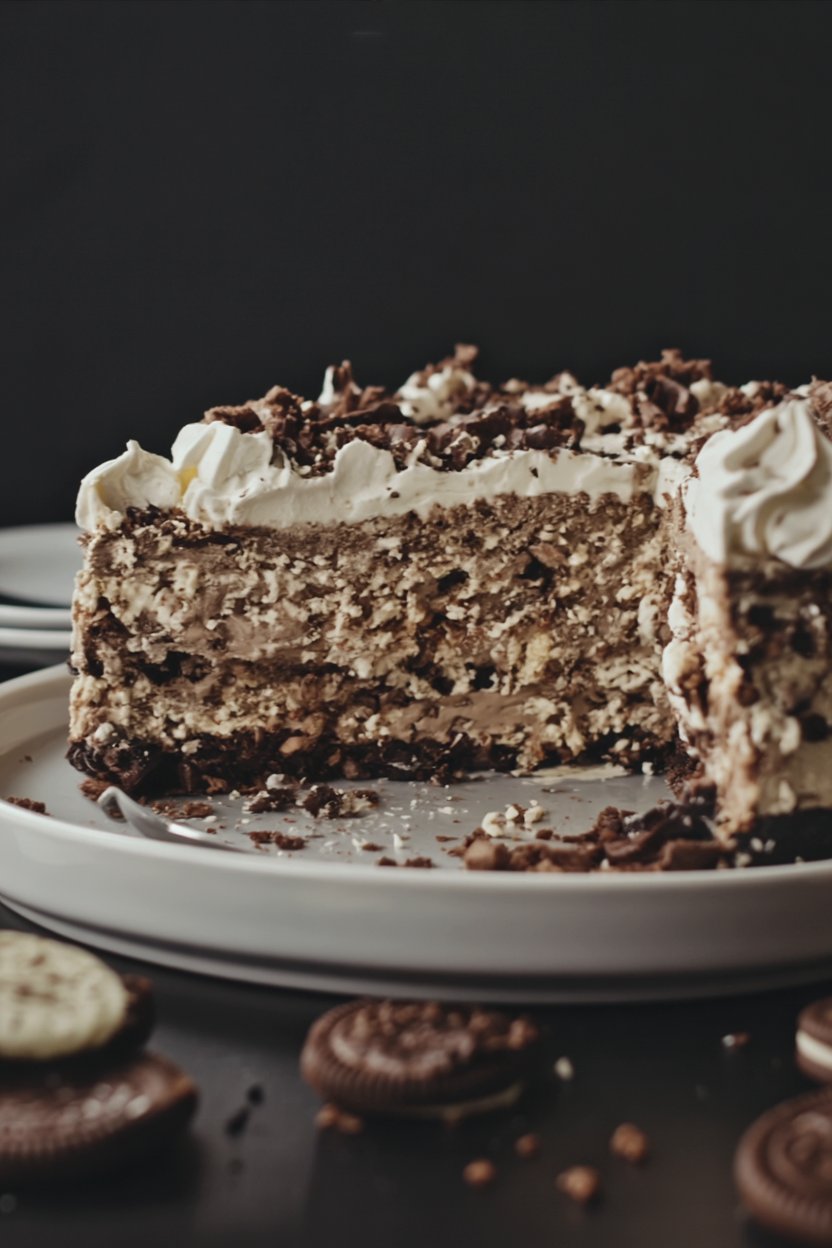
Is there any duo more iconic than milk’s favorite cookie and a rich, velvety cheesecake? If you are looking for a dessert that stops conversation and starts cravings, this Cookies and Cream Cheesecake Recipe is the answer. While cheesecake has a reputation for being finicky, the secret lies not in complex culinary skills, but in patience and temperature control.
- Ingredients List
- Timing
- Step-by-Step Instructions
- Step 1: Construct the Oreo Crust
- Step 2: Beat the Cream Cheese Base
- Step 3: Incorporate Liquids and Eggs
- Step 4: Layer the Oreos
- Step 5: Prepare the Water Bath
- Step 6: Bake and Cool Gradually
- Step 7: Whip the Topping
- Nutritional Information
- Healthier Alternatives
- Serving Suggestions
- Common Mistakes to Avoid
- Storing Tips
- Conclusion
- FAQs
- Q1. Why did my cheesecake crack?
- Q2. Can I make this without a water bath?
- Q3. Can I use a different cookie?
- Ultimate Cookies and Cream Cheesecake Recipe: Rich & Creamy
Many home bakers believe a crack-free cheesecake requires magic, but the truth is in the details—specifically, room-temperature ingredients and a gentle water bath. This recipe combines a buttery Oreo crust with a dense, creamy filling loaded with cookie chunks, all topped with homemade whipped cream. It is indulgent, sophisticated, and surprisingly straightforward if you follow the steps. Whether you are baking for a birthday or just treating yourself, this guide will help you master the ultimate Cookies and Cream Cheesecake Recipe.
Ingredients List
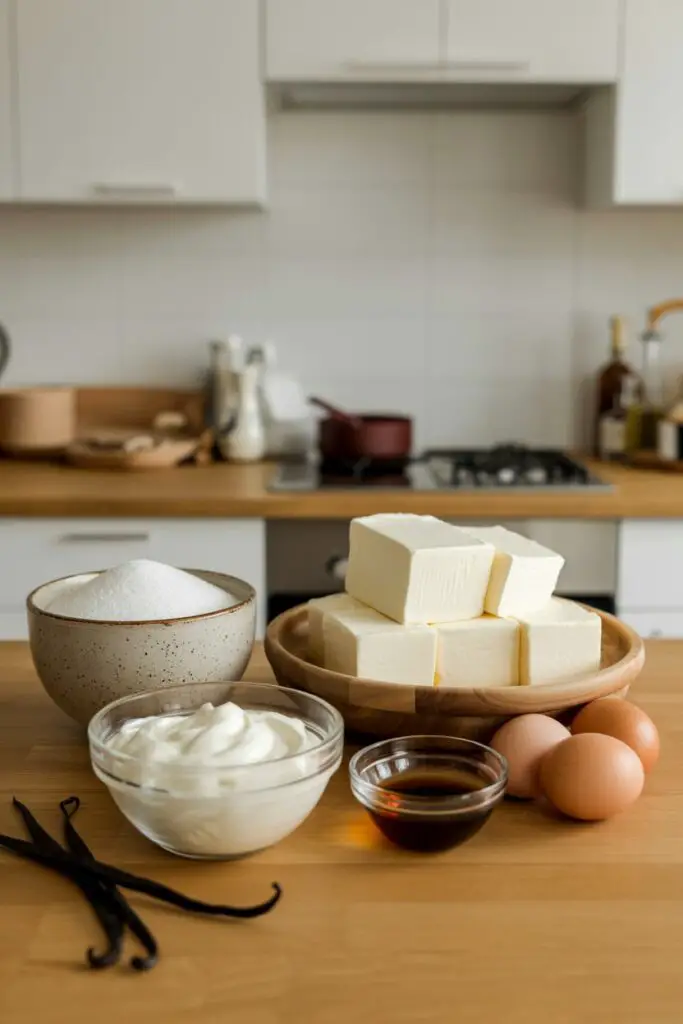
Success starts with the right components. Using full-fat dairy and ensuring your ingredients are at room temperature is non-negotiable for that silky texture.
| Component | Ingredient | Amount/Quantity |
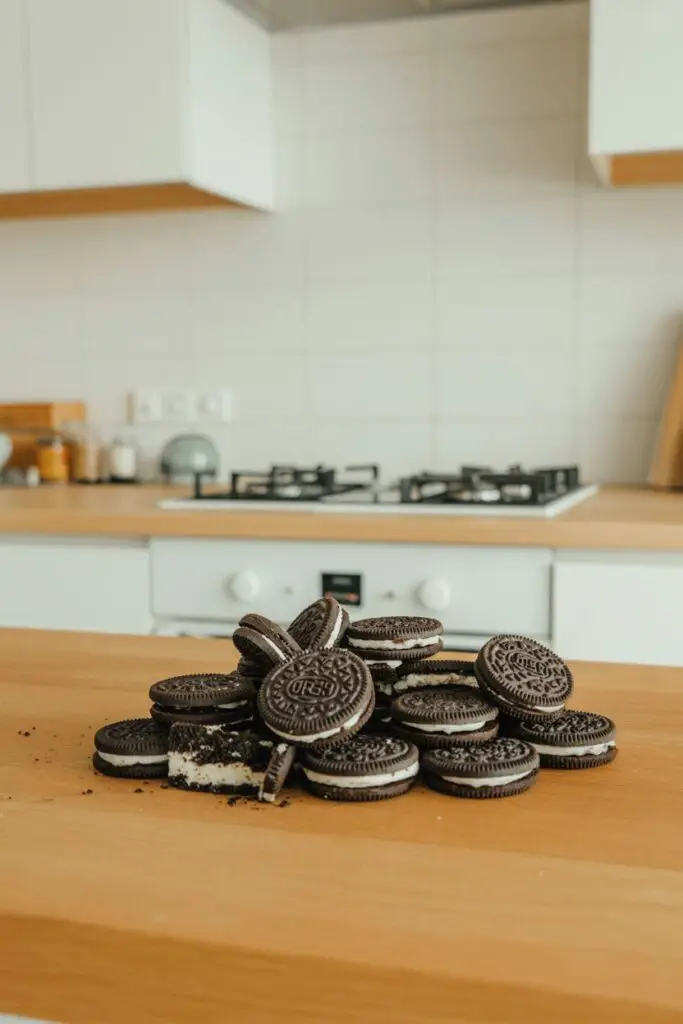
| Oreo Crust | Oreos (Standard) | 20 whole cookies |
| Unsalted Butter | ¼ cup (57g), melted | |
| Cheesecake Filling | Cream Cheese (Block style) | 32 oz (900g), fully softened |
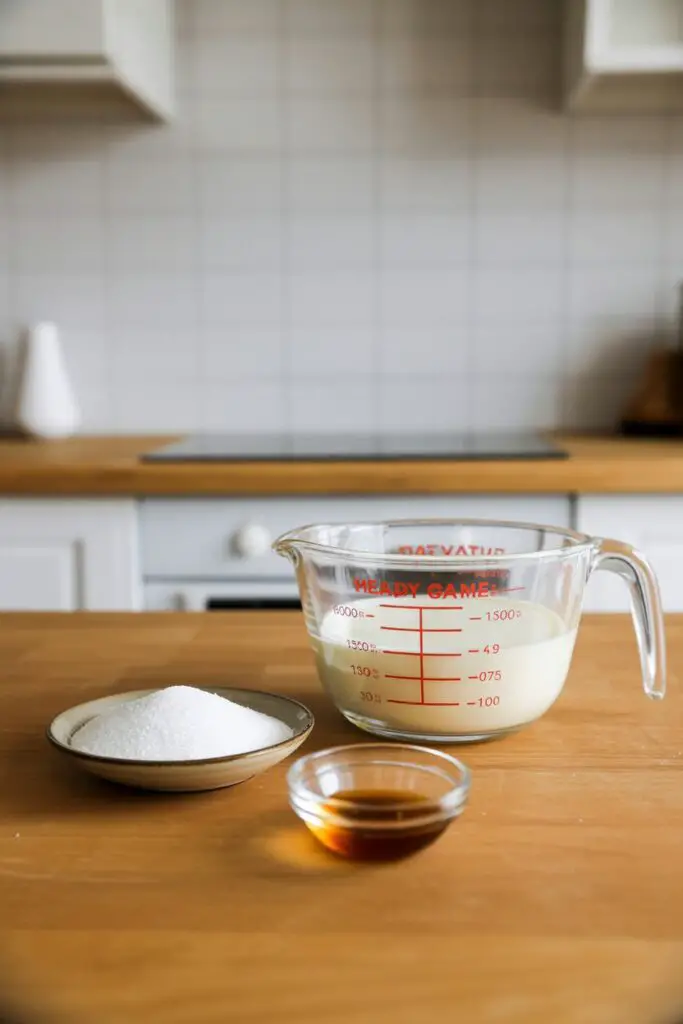
| Granulated Sugar | 1 cup (200g) | |
| Sour Cream (Full fat) | 8 oz (226g), room temp | |
| Vanilla Extract | 1 Tablespoon | |
| Large Eggs | 4, room temp | |
| Oreos (Chopped) | 10 cookies, finely chopped | |
| Oreos (Layering) | 12 cookies, quartered | |
| Whipped Topping | Heavy Cream | ½ cup (120mL), cold |
| Granulated Sugar | ½ Tablespoon (8g) | |
| Vanilla Extract | 1 teaspoon | |
| Oreos (Garnish) | Chopped (optional) |

Timing
Cheesecake is not a sprint; it is a marathon. While the active work is minimal, the cooling process is crucial for the final texture.
- Preparation Time: 30 minutes
- Cooking Time: 1 hour 45 minutes
- Cooling/Chilling Time: 9 hours (minimum)
- Total Time: ~11.5 hours (Plan to make this the day before serving!)
Step-by-Step Instructions
Step 1: Construct the Oreo Crust
Preheat your oven to 325ºF (162ºC). Prepare your workspace by spraying a 9-inch springform pan with nonstick spray. In a food processor, pulse 20 Oreos until they transform into a fine crumb. Transfer these crumbs to a bowl and drizzle the melted butter over them. Stir until the mixture looks like wet sand.
- Tip: Press the mixture firmly into the bottom of the pan using the bottom of a measuring cup to ensure an even, packed layer. Bake for 8 minutes, then set aside to cool.
Step 2: Beat the Cream Cheese Base
In a large bowl (or stand mixer with a paddle attachment), beat the softened cream cheese on medium-high speed until it is completely smooth and free of lumps (about 2 minutes). Add the sugar and beat for another 2 minutes.
- Tip: Scrape down the bowl often! Lumps of unmixed cream cheese now will result in lumpy cheesecake later.
Step 3: Incorporate Liquids and Eggs
Reduce the mixer speed to low. This is vital to avoid incorporating too much air, which causes cracks. Add the sour cream and vanilla extract, mixing until combined. Next, add the eggs one at a time. Mix on low after each addition, waiting until the yellow yolk streaks disappear before adding the next.
- Tip: Fold the final mixture by hand with a spatula to ensure the bottom of the bowl is incorporated without overmixing.
Step 4: Layer the Oreos
Stir the 10 finely chopped Oreos into the batter gently. Pour about ⅓ of this batter into your prepared crust. Evenly distribute the 12 quartered Oreos over this layer. Finally, pour the remaining ⅔ of the batter over the cookie layer and smooth the top with an offset spatula.
Step 5: Prepare the Water Bath
To prevent cracks and ensure a creamy texture, create a water bath. Place your springform pan inside a slightly larger round pan (like a 10″ cake pan) to protect it from leaks. Place that pan inside a large roasting pan. Fill the roasting pan with hot water until it reaches halfway up the sides of the cake pan.
- Tip: This gentle, humid heat cooks the eggs slowly, preventing the “scrambled egg” texture of overcooked cheesecake.
Step 6: Bake and Cool Gradually
Bake at 325ºF for 1 hour 20 minutes to 1 hour 45 minutes. You are looking for a slight jiggle in the center 2 inches of the cake (internal temp 145ºF/63ºC). Turn off the oven and crack the door slightly. Let the cheesecake cool inside the oven for 1 hour. Then, remove it to a wire rack to cool for another 2 hours. Finally, chill in the fridge for at least 6 hours, preferably overnight.
Step 7: Whip the Topping
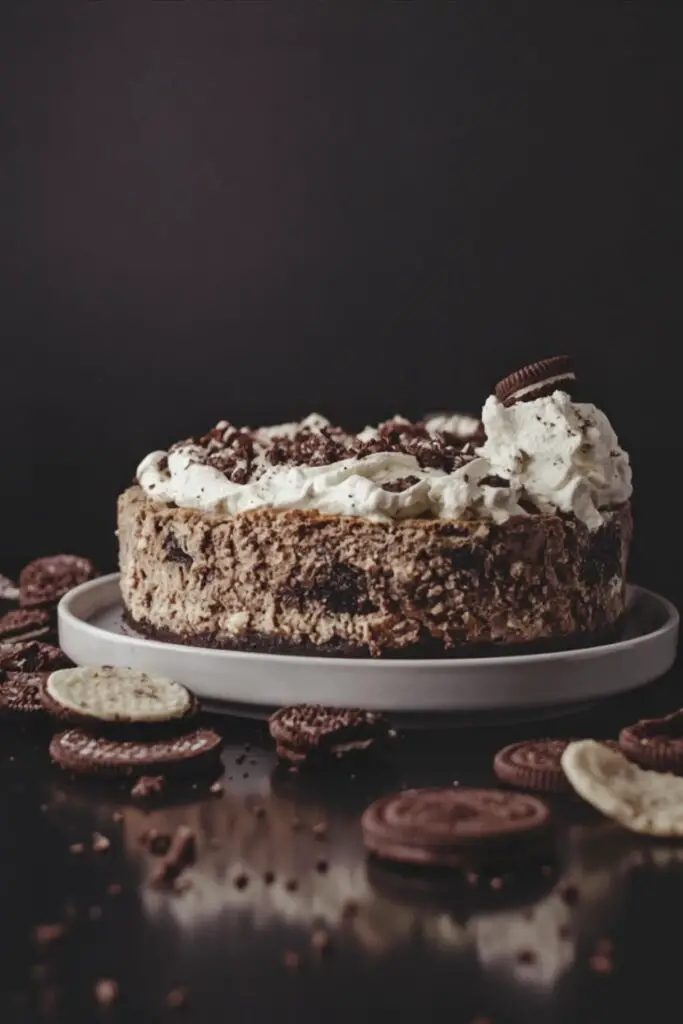
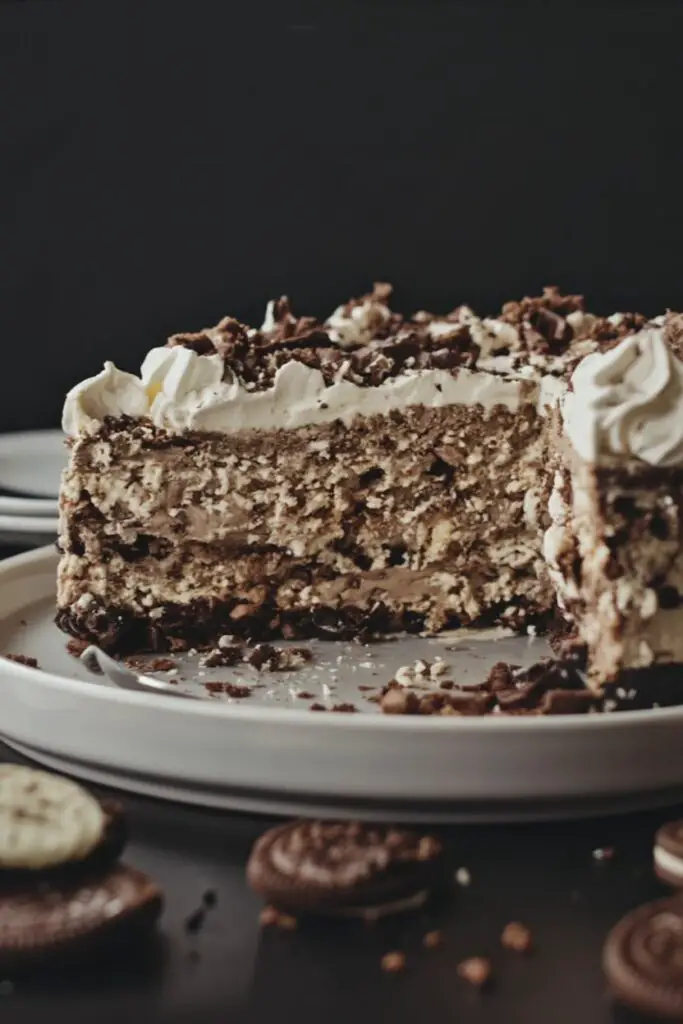
Once fully chilled, remove the cheesecake from the pan. In a mixer, whip the heavy cream, sugar, and vanilla. Start on medium until frothy, then increase to medium-high until stiff peaks form. Spread this billowy cloud over the cheesecake and garnish with extra Oreos.
Nutritional Information
This is a decadent treat, perfect for special occasions. Here is an estimated breakdown per slice (assuming 12 slices):
- Calories: ~650 kcal
- Fat: 45g (Saturated: 24g)
- Carbohydrates: 55g (Sugar: 38g)
- Protein: 9g
- Cholesterol: 140mg
- Sodium: 380mg
Healthier Alternatives
While this recipe is designed for indulgence, you can make adjustments for dietary needs:
- Lower Fat: Swap the sour cream for plain Greek yogurt to increase protein and reduce fat slightly. Note that using low-fat cream cheese is not recommended as it contains stabilizers that affect the set.
- Gluten-Free: Simply swap standard Oreos for Gluten-Free Oreos. The rest of the recipe (cream cheese, sugar, eggs) is naturally gluten-free.
- Reduced Sugar: You can reduce the sugar in the filling by 1/4 cup, though it may slightly alter the texture density.
Serving Suggestions
Elevate your Cookies and Cream Cheesecake with these plating ideas:
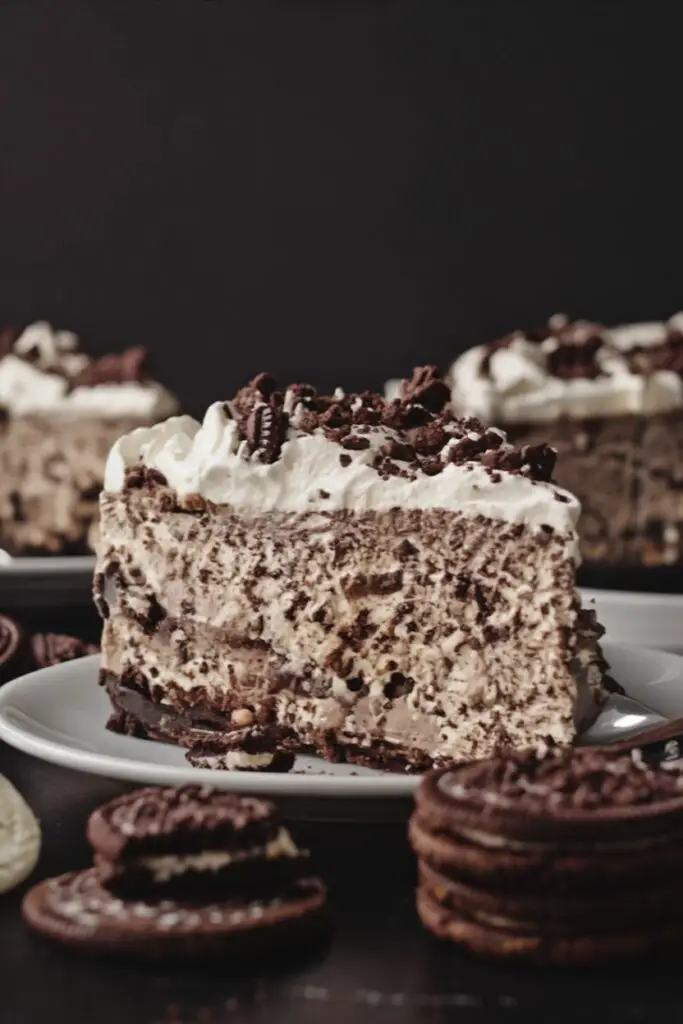
- Chocolate Ganache: Drizzle a warm dark chocolate ganache over the slice for extra richness.
- Berry Tartness: Serve with fresh strawberries or raspberries to cut through the heavy creaminess.
- Coffee Pairing: A shot of espresso or a dark roast coffee pairs perfectly with the sweet vanilla and chocolate profile.
Common Mistakes to Avoid
Cheesecake can be unforgiving. Watch out for these pitfalls:
- Cold Ingredients: Using cold cream cheese or eggs is the #1 cause of lumpy batter. Solution: Leave ingredients on the counter for at least 2 hours before starting.
- Overmixing: Mixing on high speed after adding eggs adds air bubbles, which rise and crack the surface. Solution: Keep the mixer on “Low” once eggs are introduced.
- Rushing the Cooling: Moving a hot cheesecake to the fridge causes thermal shock (cracks!). Solution: Follow the oven-to-rack-to-fridge cooling timeline strictly.
- Water Leaks: Springform pans are not watertight. Solution: Use the “pan-in-a-pan” method described in Step 5, or wrap the springform pan in heavy-duty foil.
Storing Tips
Cheesecake stores beautifully, making it a great make-ahead dessert.
- Refrigerator: Store leftovers loosely covered with plastic wrap or in an airtight cake carrier for up to 5 days.
- Freezing: This cheesecake freezes well without the whipped topping. Wrap the chilled cheesecake (whole or slices) in plastic wrap, then foil. Freeze for up to 3 months.
- Thawing: Thaw frozen cheesecake in the refrigerator overnight before serving. Add the whipped topping fresh.
Conclusion
This Cookies and Cream Cheesecake Recipe is more than just a dessert; it’s a centerpiece. The contrast between the crunchy Oreo crust, the smooth vanilla filling, and the surprise cookie chunks inside creates a texture that store-bought cakes simply cannot replicate. By following the water bath method and respecting the cooling times, you are guaranteed a bakery-quality result.
Try it out for your next celebration and let us know in the comments how it turned out! Did you get that perfect, crack-free top? We’d love to hear your feedback. Don’t forget to rate the recipe and subscribe to our blog for more delicious baking guides.
FAQs
Q1. Why did my cheesecake crack?
Cracks usually happen because the cheesecake cooled too fast (thermal shock) or was overbaked. Using the “oven cooling” method helps prevent this. If it cracks, don’t worry—just cover it with the whipped topping!
Q2. Can I make this without a water bath?
Technically yes, but the texture will be different. It will be denser, more like a New York cheesecake, and the edges may brown or overcook before the center is set. The water bath ensures that creamy, custard-like consistency.
Q3. Can I use a different cookie?
Absolutely. While Oreos are classic, you can use Nutter Butters, Golden Oreos, or even Biscoff cookies for the crust and mix-ins. Just keep the ratios the same.
Print
Ultimate Cookies and Cream Cheesecake Recipe: Rich & Creamy
- Total Time: 45 minute
- Yield: 12 rolls 1x
Description
These Easy Overnight Cinnamon Rolls deliver bakery-style, soft and gooey spirals without waking up at dawn. The enriched dough rises slowly in the fridge overnight for better flavor and a fluffier texture, then bakes up golden and tender in the morning. Finished with a tangy cream cheese frosting that melts into every swirl, this make-ahead breakfast is perfect for holidays, brunch, and slow weekends.
Ingredients
Dough
-
1 1/4 cups warm milk (105-110°F / 40-43°C)
-
2 1/4 tsp active dry yeast (1 packet)
-
8 tbsp granulated sugar, divided
-
1 large egg, room temperature
-
1 tsp kosher salt
-
1/2 cup unsalted butter, melted
-
4 cups all-purpose flour, plus more for kneading
Filling
-
3/4 cup light brown sugar, packed
-
1 1/2 tbsp ground cinnamon
-
6 tbsp salted butter, softened (not melted)
Cream Cheese Frosting
-
6 tbsp salted butter, softened
-
3 oz cream cheese, softened
-
1 1/2-2 cups powdered sugar
-
1 tsp vanilla extract
-
Milk or heavy cream, as needed
Instructions
-
-
Bloom the yeast: Stir warm milk, yeast, and 1 tbsp sugar. Rest 5 minutes until foamy.
-
Mix dough: Whisk egg, remaining sugar, and salt. Add melted butter and yeast mixture. Stir in 2 cups flour, then add remaining flour gradually until a soft dough forms.
-
Knead: Knead 5 minutes until smooth and tacky (not sticky). Add 1–2 tbsp flour only if needed.
-
First rise: Place dough in a greased bowl, cover, and rise until doubled (1–2 hours).
-
Fill: Roll dough into a 15×20-inch rectangle. Spread softened butter. Mix brown sugar + cinnamon and sprinkle evenly.
-
Roll & cut: Roll tightly into a log. Slice into 12 large (or 16 medium) rolls.
-
Overnight proof: Place in a parchment-lined pan, cover tightly, and refrigerate 8–16 hours.
-
Morning rise & bake: Bring to room temp and rise 1–2 hours. Bake at 350°F (175°C) for 15 minutes until lightly golden.
-
Frost: Beat frosting ingredients until smooth. Spread over warm rolls after 10 minutes cooling.
-
Notes
- Dough should feel tacky like a Post-it note; too much flour makes dense rolls.
- For clean slices, use unflavored dental floss.
- Store covered 2–3 days; rewarm briefly before serving.
- Prep Time: 30 minutes
- Cook Time: 15 minutes
- Category: Breakfast / Brunch
- Method: Baking
- Cuisine: American
Nutrition
- Serving Size: 1 roll
- Calories: 380
- Sugar: 28 g
- Sodium: 320 mg
- Fat: 18 g
- Saturated Fat: 10 g
- Unsaturated Fat: 7 g
- Trans Fat: 0 g
- Carbohydrates: 52 g
- Fiber: 1 g
- Protein: 5 g
- Cholesterol: 55 mg