



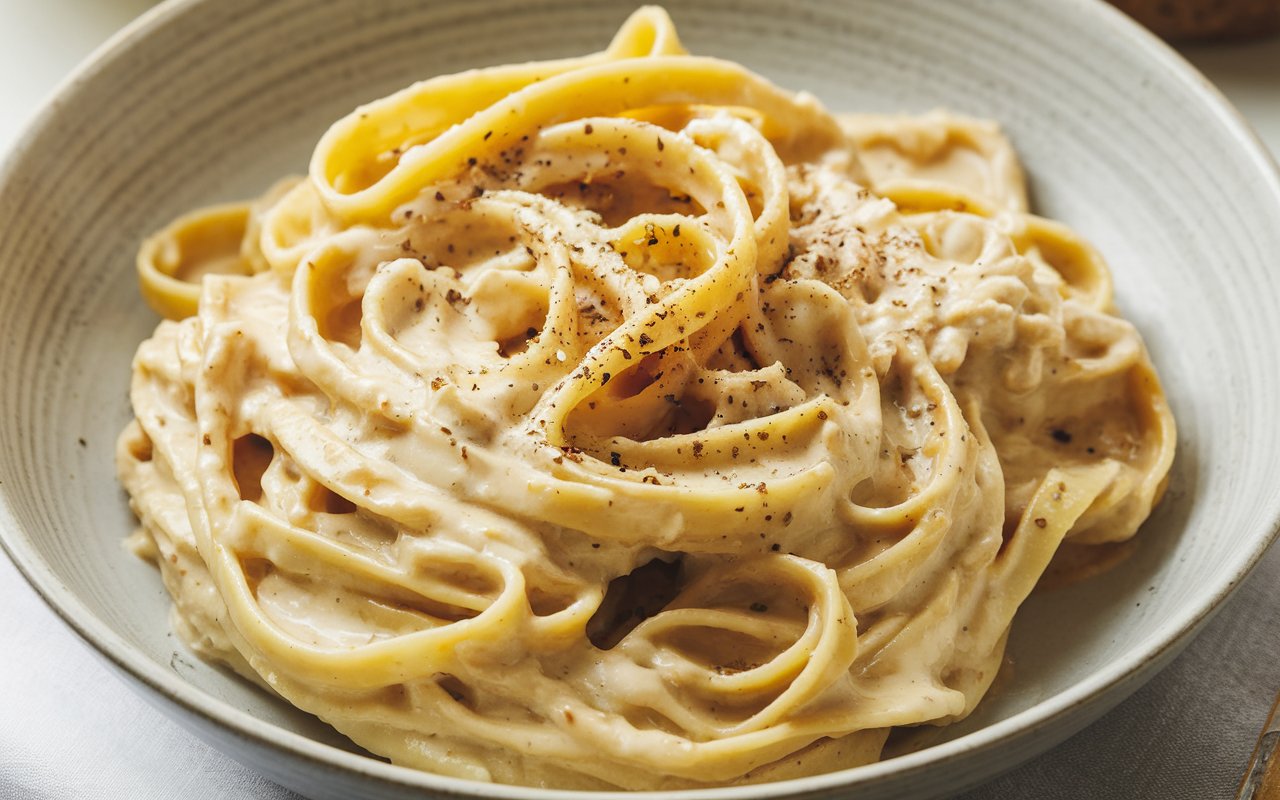
Few pasta dishes exemplify Italian culinary elegance in the way Cacio e Pepe does—just cheese (cacio) and pepper (pepe) combined with pasta, yet the synergy surpasses many more elaborate recipes. Think freshly grated pecorino cheese melding into a creamy sauce with a punch of coarsely ground black pepper, all clinging to al dente spaghetti or tonnarelli. Each forkful highlights how minimalism, when done right, can yield a deeply satisfying experience. The flavors revolve around the robust tang of pecorino and the boldness of freshly cracked pepper, unified by the starchy pasta water into a luscious emulsion.
I first encountered cacio e pepe in Rome, its birthplace, marveling at how such a basic formula (pasta, cheese, pepper) delivered a complexity akin to more showy dishes. The trick is in technique: swirling starchy water into finely grated cheese and pepper, forming a sauce that coats every noodle strand rather than turning stringy or clumpy. Over time, I learned the importance of grating pecorino in a fine texture, patiently combining it with pepper and pasta water, and ensuring the pan never overheats and splits the sauce. Now, Italian Cacio e Pepe stands as my go-to rescue meal—when the fridge is bare, or I just crave a peppery punch in minutes.
In this guide, we’ll detail how to prepare Italian Cacio e Pepe—from selecting the right cheese (pecorino romano) to meticulously creating a peppery cheese sauce with hot pasta water. Whether you’re a pasta enthusiast intrigued by minimal-ingredient recipes or a connoisseur longing for Roman trattoria authenticity, prepare for a dish that redefines “simple” with potent flavor and artistry.

Why Cacio e Pepe Captivates
- Three-Ingredient Marvel
Pasta, pecorino cheese, and black pepper—plus water, salt for boiling. No complicated sauces or myriad steps, yet the outcome is surprisingly rich and comforting. - Artisanal Pepper Punch
Freshly cracked pepper yields distinct, pungent notes that sharpen the cheese’s tang. This synergy forms the signature “pepe” aspect. - Creamy Emulsion
The starch from hot pasta water binds finely grated cheese, forming a silky sauce that contrasts typical grated cheese lumps. Achieving that smooth result is the crux of success. - Instant Gratification
The entire process typically concludes in under 20 minutes, turning store cupboard staples into a refined dish perfect for spontaneous cravings.
Ingredient Overview
Makes ~2–3 servings:
| Ingredient | Quantity | Notes |
|---|---|---|
| Pasta (spaghetti, tonnarelli, or bucatini) | ~8 oz | Traditional shapes hold sauce well; tonnarelli is classic if available |
| Pecorino Romano Cheese (finely grated) | ~1–1½ cups | Aged pecorino romano for an authentic pungent, salty profile |
| Black Pepper (freshly cracked) | 1–2 tbsp (or to taste) | The star note of the dish, use coarsely ground or freshly cracked pepper |
| Salt | For pasta water | Pasta water must be salted; watch cheese’s salt content though |
| Optional Olive Oil or Butter (minimal) | 1–2 tsp if you want a minor twist | Some add a drop of oil to help bloom pepper, though not always used |
(Note: The ratio of cheese to pasta is quite high, because cacio e pepe is all about a cheese-driven sauce. The quality and freshness of pecorino matter; pre-grated cheese can yield a clumpy sauce if it includes anti-caking agents.)
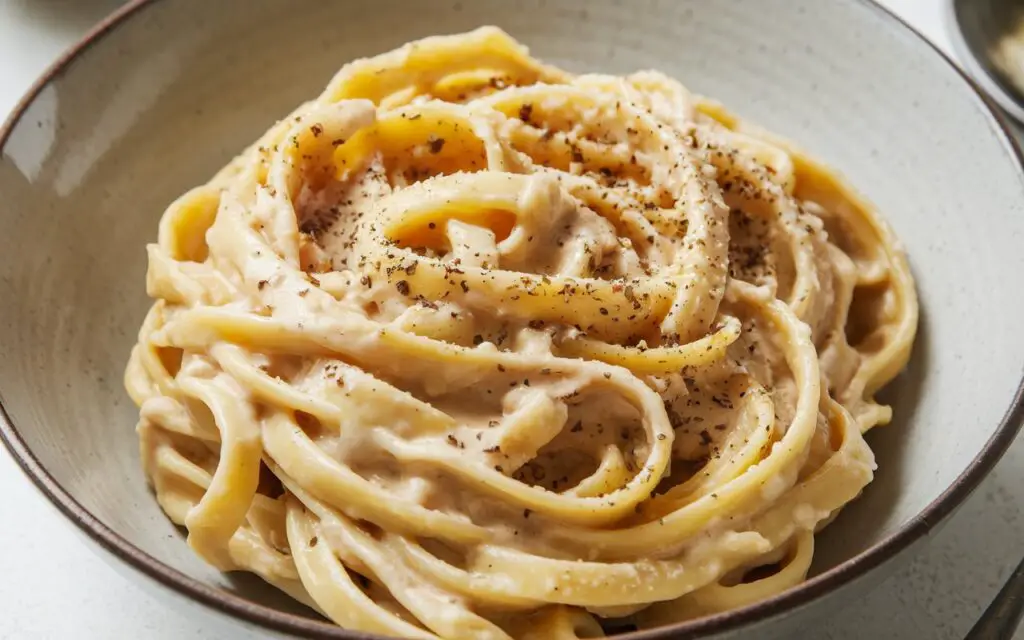
Step-by-Step Recipe (Approx. 15–20 Minutes)
- Boil Water & Prep
- Bring a pot of water to a boil. Salt generously, but consider that pecorino is quite salty—avoid over-salting. Meanwhile, finely grate ~1–1½ cups pecorino romano. Lay it aside in a large bowl. Freshly crack black pepper, ensuring you have ~1–2 tablespoons or more if you love pepper’s bite.
- Cook Pasta
- Add ~8 oz spaghetti or tonnarelli to the boiling water. Cook until al dente as per package instructions—usually 8–10 minutes. Important: reserve ~1–2 cups of the starchy pasta water near the end. This water is crucial for forming the sauce.
- Bloom Pepper (Optional)
- Some techniques involve a skillet or saucepan over medium-low heat with a dab of olive oil or butter. Add cracked pepper, let it sizzle lightly ~30 seconds to 1 minute, releasing aroma. This step can intensify pepper’s flavor. If skipping, just use pepper directly in the bowl with cheese. Each method is valid.
- Form Cheese-Pepper Mixture
- In a large mixing bowl (or saucepan off heat), combine grated pecorino with freshly cracked pepper. Start with half the pepper if you’re uncertain of heat tolerance. The rest can be added to taste.
- Emulsify with Hot Pasta Water
- Ladle or pour ~½ cup hot pasta water into the cheese-pepper mix. Stir vigorously with a spatula or whisk, forming a paste. The cheese may initially clump, but consistent stirring and hot water helps it transform into a thick, creamy solution. Add more water in small increments as needed. A silky, thick sauce base should result.
- Combine Pasta & Sauce
- Drain pasta (reserving more water if you might need it). Transfer hot pasta into the bowl or skillet with the cheese-pepper paste. Toss or stir rapidly, ensuring each strand is coated. If sauce seems too thick or clumpy, add small splashes of pasta water while tossing. The aim is a glossy, cohesive coating on all noodles.
- Taste & Adjust
- Sample a forkful. If under-peppered, grind more pepper. If too thick, add water. If lacking cheese intensity, grate a bit more pecorino. The dish hinges on balancing peppery heat with cheesy saltiness.
- Serve Immediately
- Plate in warm bowls. Typically, cacio e pepe is eaten hot off the stove. Some add a final dusting of pecorino and a crack of pepper on top. Because the sauce can solidify or dry out as it cools, consumption soon after plating is recommended.
(Note: Speed is essential. The sauce can seize up if it cools or if water is insufficient. Mastering the sauce swirl is the hallmark skill. Keep an eye on the texture—glossy and smooth indicates success.)
Flavor Variations
- Cheese Blend
- Some add a bit of Parmigiano-Reggiano with pecorino romano for a milder taste. The dish then resembles a cacio e pepe–carbonara hybrid minus eggs. Purists stick to pecorino.
- Lemon Zest
- A tiny pinch of lemon zest can brighten the dish, though not typical. Consider it only if you relish a citrus note.
- Spicier Pepper
- Swap standard black pepper for a mix of black, white, or pink peppercorns for a more complex pepper flavor.
- Creamy Variation
- Rare, but some chefs do a dash of heavy cream to ensure a stable emulsion. Traditionalists might cringe, but if you repeatedly face clumping issues, a tablespoon of cream helps maintain sauce stability.
Serving & Storage
- Presentation
- Serve in shallow pasta bowls. Top with extra grated cheese and a swirl of cracked pepper. Minimal garnish is typical—this dish relies on its unadorned simplicity.
- Sides
- Usually, cacio e pepe stands alone or with a simple green salad. The star is the pasta’s pepper-cheese synergy, so overshadowing side dishes are rarely added.
- Leftovers
- The sauce can congeal upon cooling. Reheat gently with a splash of water or milk, stirring to reconstitute. However, cacio e pepe is best consumed fresh.
- Meal Prep
- Because it’s quick, not much advantage in prepping ahead. Shredding cheese in advance can help. The final sauce must be formed just before serving.
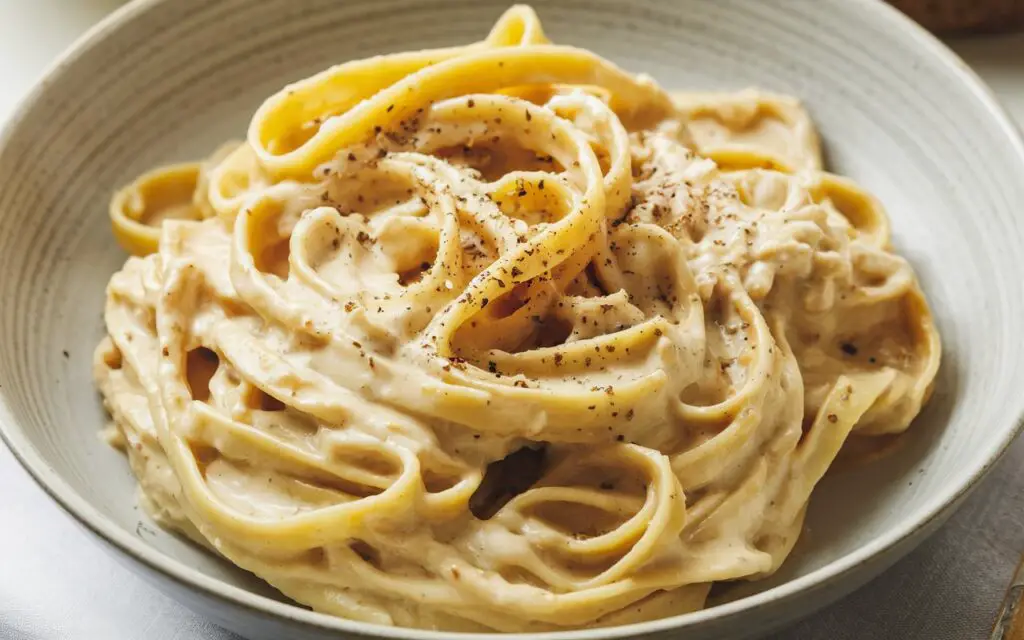
Mastering the Emulsion
- Finely Grate Cheese
- Larger shreds don’t melt smoothly. A microplane or fine grater ensures the cheese dissolves readily in hot water.
- Pasta Water
- This starchy liquid is essential to prevent lumps. If your pasta water is too lightly salted or too watery, the sauce might lack body or flavor.
- Timing
- Combine cheese with water while both are still hot. If cheese or water is lukewarm, lumps or dryness can occur.
- No Overheating
- Over direct heat, cheese can seize or split. The swirling typically happens off the flame, letting residual heat from the pasta create the sauce, akin to carbonara technique.
FAQ – Italian Cacio e Pepe
Q1: Can I substitute pecorino with Parmesan?
A1: Some do a mix or sub entirely, but it changes the flavor. Pecorino is saltier and tangier, fundamental to cacio e pepe’s identity. If you must, choose a well-aged Parmesan but note a flavor deviation.
Q2: My cheese clumped—why?
A2: Possibly the cheese was too coarsely grated, the water wasn’t hot/starchy enough, or it cooled too quickly. Whisk vigorously, add water gradually, and keep everything hot for a smooth emulsion.
Q3: I want less pepper—okay?
A3: Sure, but the dish is named “cheese and pepper.” Reducing pepper makes it simpler but might not be quite cacio e pepe. Adjust to personal tolerance while preserving some peppery essence.
Q4: Must I use spaghetti?
A4: Classic cacio e pepe often uses tonnarelli (similar to spaghetti but thicker, with a rough surface). Spaghetti or bucatini are typical stand-ins. Short pasta can be used, but the effect changes.
Q5: Do I add butter or oil traditionally?
A5: Typically no. Authentic recipes revolve around cheese, pepper, and pasta water. Some modern variants swirl a bit of butter or olive oil for ease of sauce formation—less authentic but can help novices.
Conclusion
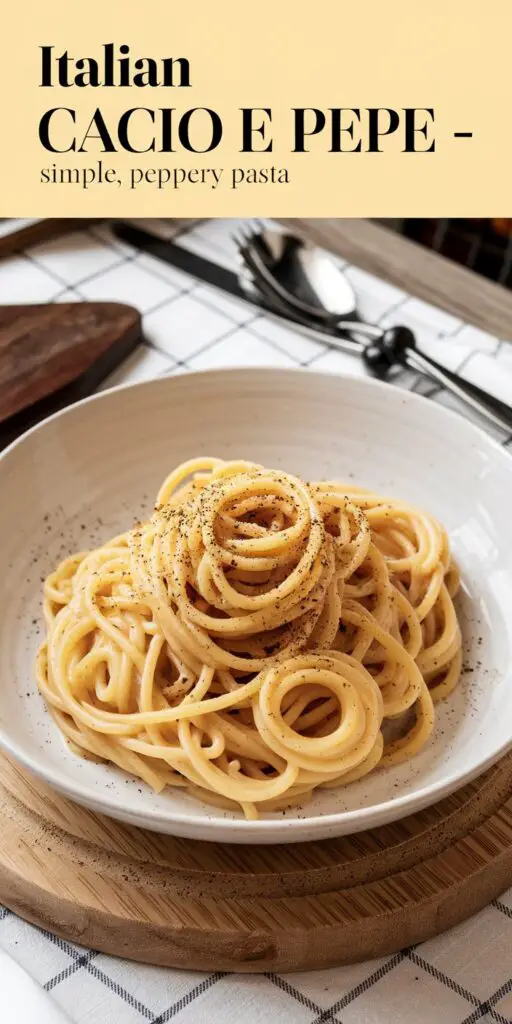
In marrying just pecorino, pepper, and pasta, Cacio e Pepe exemplifies the heights minimal-ingredient cooking can achieve, bridging luscious cheese sauce and bold pepper in each mouthful. The beauty of the dish hinges on a well-crafted technique: swiftly blending fine cheese, starchy water, and pepper into a silky sauce that grips each strand. No frills or extensive cooking times, just a refined synergy that’s equally at home in a Roman trattoria or your own kitchen on a busy evening.
Now that you know how to manage the sauce swirl, coaxing an emulsion from grated pecorino and hot pasta water, why not treat yourself to a quick, peppery dinner soon? After you savor that final slurp—maybe dusted with an extra pinch of pepper—circle back to share how you fared. Did you add a dash of cream for stability, incorporate a bit of Parm for variety, or strictly maintain the three-ingredient purity? Your approach might persuade other pasta lovers to attempt this simple yet profoundly delicious Roman staple in their homes.