



Imagine a bowl that bursts with color, texture, and flavor—a dish that represents the harmony of Korean cuisine in every bite. I still remember the first time I experienced Korean Bibimbap: a symphony of steamed rice, crisp vegetables, marinated meat (or tofu for a vegan twist), and a generous dollop of spicy, tangy gochujang sauce, all mixed together to create a perfectly balanced meal. It was not only a feast for the eyes but also a nourishing, hearty meal that resonated with tradition and modern culinary creativity.
Korean Bibimbap has become a beloved staple in my kitchen because it offers a delightful blend of lean protein, fresh vegetables, and complex flavors—all in one bowl. Its versatility allows you to adapt it to your dietary preferences, while its vibrant presentation makes it an ideal centerpiece for family dinners or casual get-togethers. Every spoonful is an invitation to savor the balance of sweet, savory, and spicy, leaving you both satisfied and energized.
Why Korean Bibimbap Is a Must-Try
- Balanced Nutrition:
Combines lean proteins, whole grains, and fresh veggies for a complete, nutrient-dense meal. - Flavor Explosion:
The spicy gochujang sauce, paired with a medley of sautéed and fresh vegetables, creates layers of complex flavors. - Customizable:
Adapt the recipe to suit your tastes—add marinated beef, tofu, or extra greens as desired. - Visual Appeal:
Its colorful presentation is as pleasing to the eye as it is to the palate, making it perfect for sharing on social media. - Quick and Versatile:
Perfect for a quick weeknight dinner or a more elaborate weekend feast, Korean Bibimbap can be tailored to any occasion.
Deep Dive Into the Ingredients

Every component in Korean Bibimbap is carefully selected to create a harmonious blend of textures and flavors.
For the Rice Base
| Ingredient | Quantity | Notes & Benefits |
|---|---|---|
| Short-Grain Rice (preferably Korean sushi rice) | 2 cups uncooked | Provides a sticky, slightly chewy texture that holds the toppings well |
| Water | As needed | Essential for cooking rice to perfection |
| Sesame Oil (optional) | 1 teaspoon | Adds a nutty aroma and flavor to the finished rice (optional) |
For the Vegetables & Protein
| Ingredient | Quantity | Notes & Benefits |
|---|---|---|
| Carrots, julienned | 1 cup | Offers a sweet crunch and vibrant color |
| Zucchini, julienned | 1 cup | Adds a tender texture with a mild flavor |
| Spinach or Bean Sprouts | 1–2 cups | Provides fresh greens rich in vitamins and antioxidants |
| Shiitake Mushrooms, sliced | 1 cup | Contributes an earthy, umami flavor and meaty texture |
| Marinated Protein (choose one): | ||
| – Beef, thinly sliced (or tofu for a vegan option) | 8 oz | Lean protein that is traditionally marinated in Korean spices |
| – Gochujang-marinated Chicken (optional) | 8 oz | For a different twist with spicy, tangy flavors |
| Sesame Seeds | 1 tablespoon | Adds a nutty crunch when sprinkled over the final dish |
For the Gochujang Sauce
| Ingredient | Quantity | Notes & Benefits |
|---|---|---|
| Gochujang (Korean red chili paste) | 3 tablespoons | Provides the signature spicy, sweet, and savory flavor |
| Soy Sauce | 1 tablespoon | Enhances umami and deepens the flavor |
| Rice Vinegar | 1 tablespoon | Adds a tangy brightness that balances the richness of the sauce |
| Sesame Oil | 1 teaspoon | Infuses the sauce with a subtle, nutty aroma |
| Honey or Sugar (optional) | 1 teaspoon | Balances the heat and adds a touch of sweetness if needed |
For Garnish
| Ingredient | Quantity | Notes & Benefits |
|---|---|---|
| Fresh Cucumber, thinly sliced | 1/2 cup | Adds cool crunch and refreshing flavor |
| Fresh Radish, thinly sliced | 1/2 cup | Offers a peppery bite and crisp texture |
| Fresh Cilantro or Korean Perilla Leaves | A handful, torn | Adds a burst of herbal freshness and vibrant color |
| Extra Sesame Seeds | For garnish | Enhances visual appeal and adds extra nutty flavor |
Step-by-Step Recipe Instructions
1. Cook the Rice
- Rinse and Cook:
- Rinse 2 cups of short-grain rice under cold water until the water runs clear.
- Cook the rice according to package instructions (using a rice cooker or stovetop), usually with a 1:1.2 rice-to-water ratio.
- Season (Optional):
- Once cooked, fluff the rice and stir in 1 teaspoon of sesame oil for added flavor. Set aside and keep warm.
2. Prepare the Vegetables & Protein
- Sauté or Blanch Vegetables:
- Julienne carrots and zucchini.
- Lightly sauté the mushrooms in a small amount of olive oil over medium heat until tender.
- For spinach or bean sprouts, a quick blanch in boiling water (30 seconds) or a raw toss works well.
- Prepare the Protein:
- If using marinated beef, toss thin slices in a little soy sauce and let sit for 10 minutes, then quickly sauté in a hot pan until just cooked, about 2–3 minutes.
- For tofu, press to remove excess moisture, cut into strips, and pan-fry until golden.
- Set Each Component Aside:
- Keep each cooked vegetable and protein in separate bowls to maintain their distinct textures.
3. Prepare the Gochujang Sauce
- Mix the Sauce:
- In a small bowl, whisk together 3 tablespoons gochujang, 1 tablespoon soy sauce, 1 tablespoon rice vinegar, 1 teaspoon sesame oil, and 1 teaspoon honey (if using).
- Adjust to Taste:
- Taste and adjust the balance of sweetness and tang as needed. Set aside.
4. Assemble the Bibimbap Bowl
- Layer the Rice:
- Place a generous serving of warm rice in the bottom of a large bowl.
- Arrange Toppings:
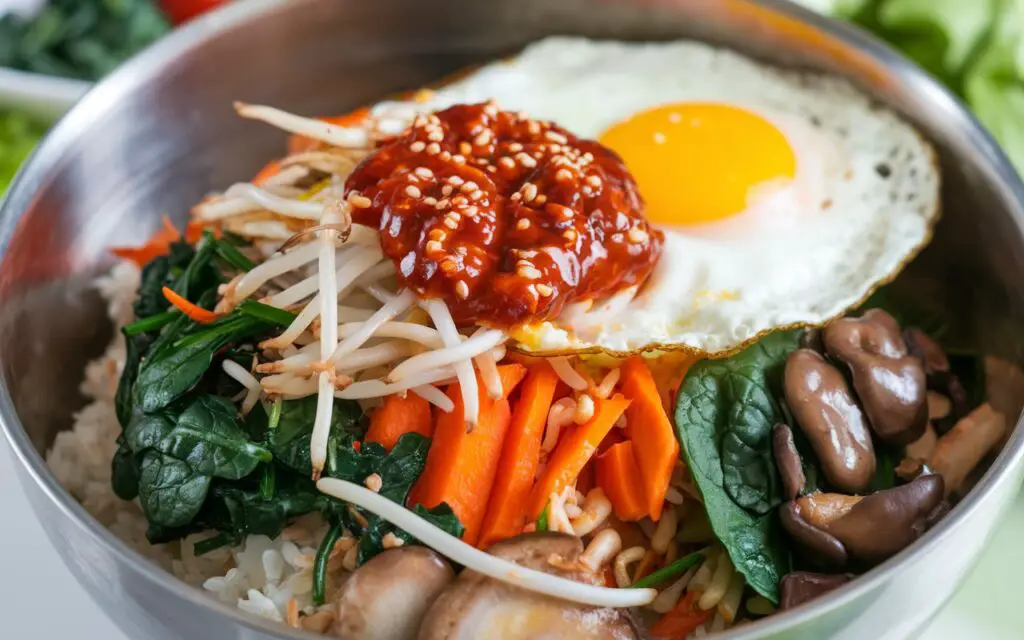
- Neatly arrange each component—sautéed vegetables, protein, and any additional raw toppings like cucumber or radish—on top of the rice in separate sections, creating a colorful mosaic.
- Drizzle with Sauce:
- Drizzle the prepared gochujang sauce evenly over the toppings.
- Sprinkle extra sesame seeds on top for added crunch.
- Garnish:
- Finish with torn fresh cilantro or Korean perilla leaves for a burst of herbal freshness.
5. Serve and Enjoy
- Mix Before Eating:
- Traditionally, bibimbap is mixed thoroughly before eating so that the flavors meld together with each bite.
- Optional Extras:
- Serve with a side of kimchi or a light soup to complement the dish.
- Enjoy Immediately:
- Savor the vibrant colors, textures, and bold flavors in every spoonful of your homemade Korean Bibimbap.
Technique Tips & Creative Variations
Technique Tips
- Rice Perfection:
Rinse the rice thoroughly to remove excess starch, ensuring a light, fluffy texture. - Temperature Matters:
Keep the rice warm and the vegetables crisp for the ideal textural contrast. - Even Cooking:
Ensure vegetables and protein are cooked just right—tender yet retaining a bit of crunch. - Layering Approach:
Arrange ingredients in distinct sections to create visual appeal, then mix thoroughly before eating. - Sauce Balance:
Adjust the gochujang sauce to your desired level of heat and tanginess by tweaking the proportions of soy sauce and rice vinegar.
Creative Variations
- Vegan Bibimbap:
Substitute the protein with tofu or tempeh, and use a vegan version of the gochujang sauce. - Extra Veggie Medley:
Add additional vegetables like shredded cabbage, bean sprouts, or even roasted sweet potatoes for extra color and nutrition. - Fusion Style:
Experiment by topping the bibimbap with a fried egg for an extra layer of richness. - Herbal Twist:
Incorporate other herbs such as mint or basil into the gochujang sauce for a unique flavor twist. - Grain Alternatives:
Use a blend of brown rice and quinoa for a nutty flavor and extra protein. - Spicy Upgrade:
Increase the gochujang or add a dash of Sriracha to intensify the heat for those who prefer a spicier kick.

Nutritional Benefits: Why This Recipe Works for You
Korean Bibimbap is a nutrient-dense, balanced meal that supports overall health while delighting your taste buds:
- Lean Protein & Fiber:
The inclusion of lean protein (beef, tofu, or tempeh) along with fresh vegetables provides a balanced mix of protein and fiber for sustained energy and satiety. - Antioxidant-Rich:
Fresh vegetables and herbs deliver antioxidants, vitamins, and minerals that help boost immunity and protect against oxidative stress. - Healthy Carbohydrates:
Brown rice (or quinoa) offers complex carbohydrates for steady energy release, keeping you full without a heavy feeling. - Low in Unhealthy Fats:
Minimal use of oil and the absence of heavy cream make this dish a light yet satisfying meal option. - Customizable for Dietary Needs:
Easily adapted to vegan, vegetarian, or low-carb diets while maintaining its robust flavor profile.
Nutritional Snapshot Per Serving (Approximate)
| Nutrient | Benefit | Estimated Value per Serving |
|---|---|---|
| Calories | Provides balanced energy without excess calories | 400–450 kcal |
| Protein | Supports muscle repair and sustains energy | 20–25 grams |
| Carbohydrates | Fuels the body with complex, slow-releasing energy | 55–60 grams |
| Dietary Fiber | Promotes healthy digestion and fullness | 8–10 grams |
| Healthy Fats | Supports brain and heart health | 10–12 grams |
Frequently Asked Questions (FAQ)
Q1: Can I use white rice instead of brown rice?
A: While you can, brown rice or a blend of brown rice and quinoa is recommended for its higher fiber and nutrient content.
Q2: Is Korean Bibimbap traditionally served with a fried egg?
A: Yes, many traditional versions include a fried egg on top. Feel free to add one if you’d like an extra layer of richness.
Q3: Can I adjust the spiciness of the gochujang sauce?
A: Absolutely. Increase or decrease the amount of gochujang, or add extra rice vinegar if you prefer a tangier flavor, to suit your taste.
Q4: Can I make this dish ahead of time?
A: It’s best enjoyed fresh to maintain the crisp textures of the vegetables, but you can prepare components ahead and assemble just before serving.
Q5: What are some good side dishes to serve with bibimbap?
A: Kimchi, miso soup, or a light cucumber salad make excellent accompaniments, enhancing the overall meal experience.
Final Thoughts & Call-to-Action
Korean Bibimbap is a vibrant, nutrient-packed dish that brings together an array of textures and flavors in a single, harmonious bowl. It’s a meal that celebrates fresh vegetables, lean protein, and a perfectly balanced spicy-sweet sauce, offering both comfort and culinary adventure. Whether you’re a seasoned fan of Korean cuisine or trying it for the first time, this dish is sure to impress with its colorful presentation and satisfying taste.
I invite you to try this recipe in your own kitchen. Gather your favorite vegetables, lean protein, and wholesome grains, and create a bowl of bibimbap that nourishes both body and soul. Share your vibrant culinary creations on social media with #KoreanBibimbap and join a community of food lovers who celebrate healthy, innovative, and delicious cooking.
Ready to mix up your own bowl of Korean goodness? Preheat your skillet, prepare your fresh ingredients, and enjoy every delicious, balanced bite of your Korean Bibimbap. Happy cooking, and keep sharing your culinary adventures with the world!