



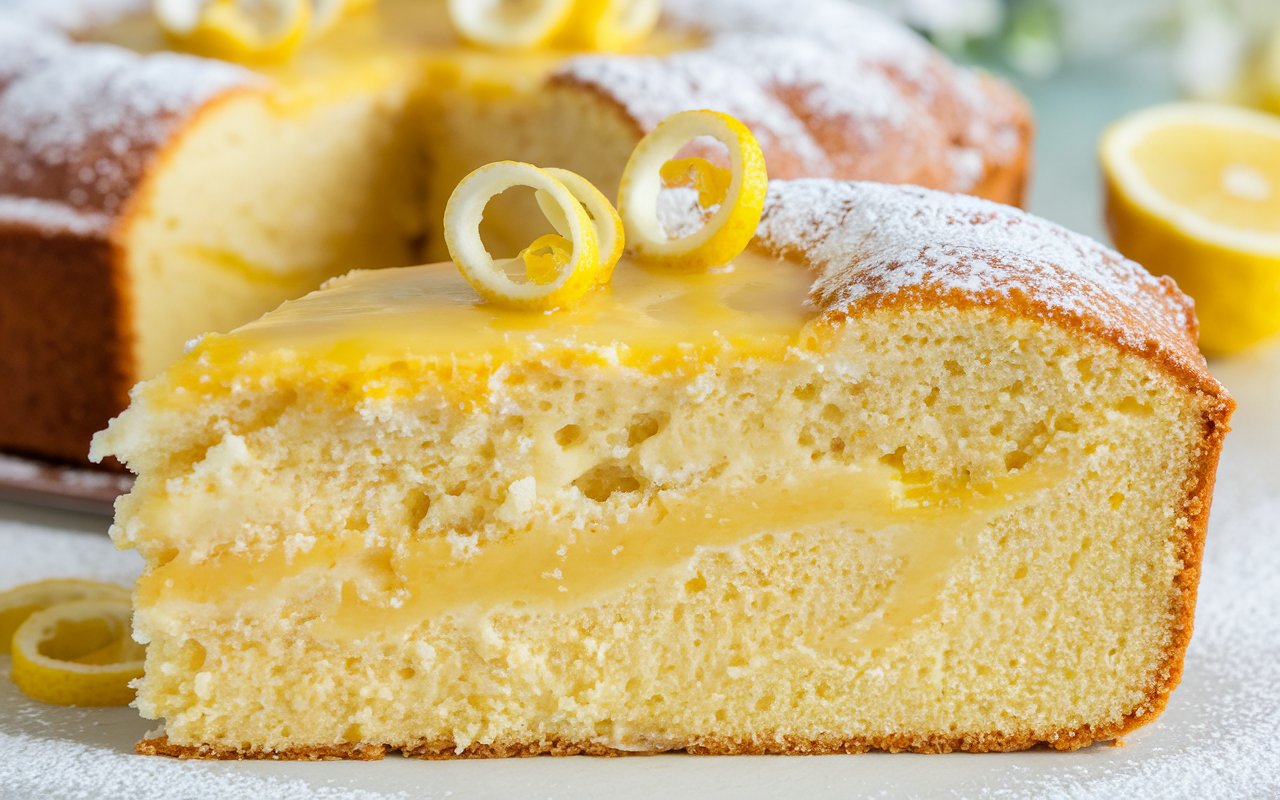
The mere mention of “pound cake” may conjure images of dense, buttery loaves. But when you incorporate ricotta cheese and lemon zest, you transform that traditional heaviness into a lighter, tangier creation that feels indulgent without being cloying. Lemon Ricotta Pound Cake – Light, Zesty Slice, So Refreshing, Moist! lives up to every word in its name, offering a bright crumb with subtle creaminess from ricotta and a lemony aroma that’s practically irresistible.
- Why Lemon Ricotta Pound Cake?
- Key Ingredients in Table Form
- Step-by-Step Recipe
- 1. Preheat & Prep (5 minutes)
- 2. Combine Dry Ingredients (2 minutes)
- 3. Cream Butter & Sugar (3–4 minutes)
- 4. Infuse Lemon Flavor (1–2 minutes)
- 5. Alternate Dry Ingredients (2–3 minutes)
- 6. Bake the Loaf (40–50 minutes)
- Adding Extra Zest
- Serving & Presentation
- Ensuring Moisture
- Storage & Shelf Life
- Frequently Asked Questions
- Conclusion
In this in-depth guide, we’ll explore the secrets to achieving a moist crumb, tips for maximizing citrus flavor, and potential twists—like adding berries or glazing with sweet-tart icing. You’ll also learn how to adapt the recipe for mini-loaves, cupcakes, or bundt pans. By the end, you’ll be equipped to bake a showstopper that shines at brunch, dessert, or even midday snack time.
Why Lemon Ricotta Pound Cake?

- Moisture & Tenderness
Ricotta introduces a luxurious creaminess, ensuring each slice remains tender rather than dry. - Bright Citrus Twist
Lemon zest and juice infuse the batter with a sunshine-like pop. No more bland pound cakes overshadowed by sugar—this one sparkles with zest. - Versatile Occasion
Whether you top it with whipped cream and berries or serve slices plain, it suits casual mornings, formal teas, or a sweet finish to dinner. - Longer Freshness
Pound cake often stays fresh for days, and ricotta extends that shelf life further, keeping the cake from going stale too quickly.
Key Ingredients in Table Form
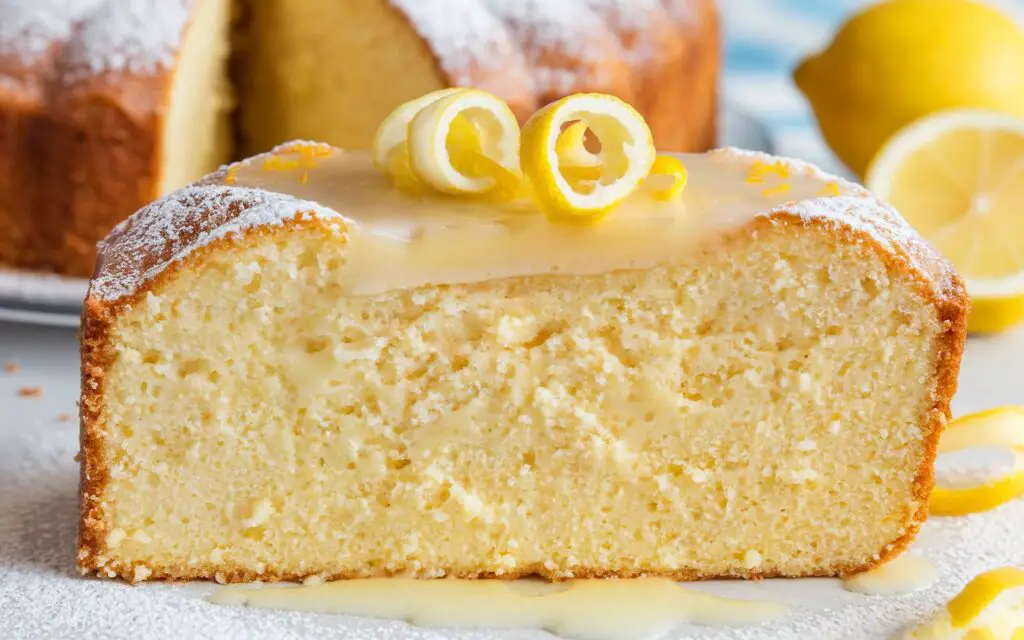
Below is a table summarizing the core components for this lemon ricotta pound cake:
| Ingredient | Quantity | Purpose / Notes |
|---|---|---|
| All-Purpose Flour | 1.5 cups (about 190g) | Base of the cake; can use cake flour for an even lighter crumb. |
| Baking Powder | 1 tsp | Leavener that provides lift to an otherwise dense pound cake. |
| Salt | 1/2 tsp | Balances sweetness, emphasizes lemon & cheese flavors. |
| Unsalted Butter | 1/2 cup (1 stick, softened) | Classic pound cake foundation, creamed with sugar for structure. |
| Granulated Sugar | 1 cup (200g) | Sweetener; can reduce slightly if you prefer a less sweet profile. |
| Eggs | 3 large | Provide structure, richness, moisture. |
| Ricotta Cheese (Whole Milk) | 3/4 cup (about 180g) | Key ingredient for moisture, subtle tang, creamy mouthfeel. |
| Lemon Zest | Zest of 2 lemons | Primary citrus flavor; use fresh for best results. |
| Lemon Juice | 2 tbsp | Reinforces lemon flavor, adds mild acidity to the batter. |
| Vanilla Extract | 1 tsp | Adds depth, complements lemon. |
Step-by-Step Recipe
1. Preheat & Prep (5 minutes)
- Oven: Heat to 350°F (175°C).
- Loaf Pan: Grease a standard 8.5 x 4.5-inch or 9 x 5-inch loaf pan. Alternatively, line with parchment for easy release.
2. Combine Dry Ingredients (2 minutes)
- Sift or Whisk: In a medium bowl, whisk flour, baking powder, and salt. Sifting ensures a lighter crumb, though whisking is often sufficient.
3. Cream Butter & Sugar (3–4 minutes)
- Mixer: In a separate large bowl, use a hand or stand mixer to cream softened butter with sugar until fluffy, ~2–3 minutes. This step incorporates air, aiding cake lift.
- Add Eggs One at a Time: Beat well after each addition.
- Incorporate Ricotta: Mix in ricotta cheese on medium speed, ensuring an even blend.
4. Infuse Lemon Flavor (1–2 minutes)
- Zest & Juice: Add lemon zest from 2 lemons plus 2 tablespoons of lemon juice.
- Vanilla: Pour in 1 teaspoon vanilla extract. Stir to combine.
- Texture Check: The batter might look slightly curdled—this is normal when combining wet ingredients with cheese.
5. Alternate Dry Ingredients (2–3 minutes)
- Low Speed: With mixer on low, gradually add the flour mixture. Overmixing leads to a denser crumb, so go slow until just combined.
- Scrape Bowl: Batter can cling to the sides. Use a spatula to ensure uniform mixture.
6. Bake the Loaf (40–50 minutes)
- Transfer: Pour batter into prepared loaf pan. Smooth the top with a spatula.
- Oven Placement: Middle rack is best for even heat.
- Check Doneness: Insert a toothpick at ~40 minutes. If it emerges with moist crumbs (not raw batter), the cake is done. If needed, continue baking for up to 50–55 minutes.
- Cool: Let the cake rest in the pan ~10 minutes before carefully removing to a wire rack. Full cooling helps set flavors and textures.
Adding Extra Zest
- Poppy Seeds
Fold 1–2 tablespoons into the batter for a lemon-poppy twist. - Lemon Glaze
Whisk powdered sugar with lemon juice, drizzle over cooled cake. This intensifies the citrus tang. - Berry Burst
Gently stir in fresh blueberries or raspberries. Coat them in a little flour to prevent sinking.
Serving & Presentation
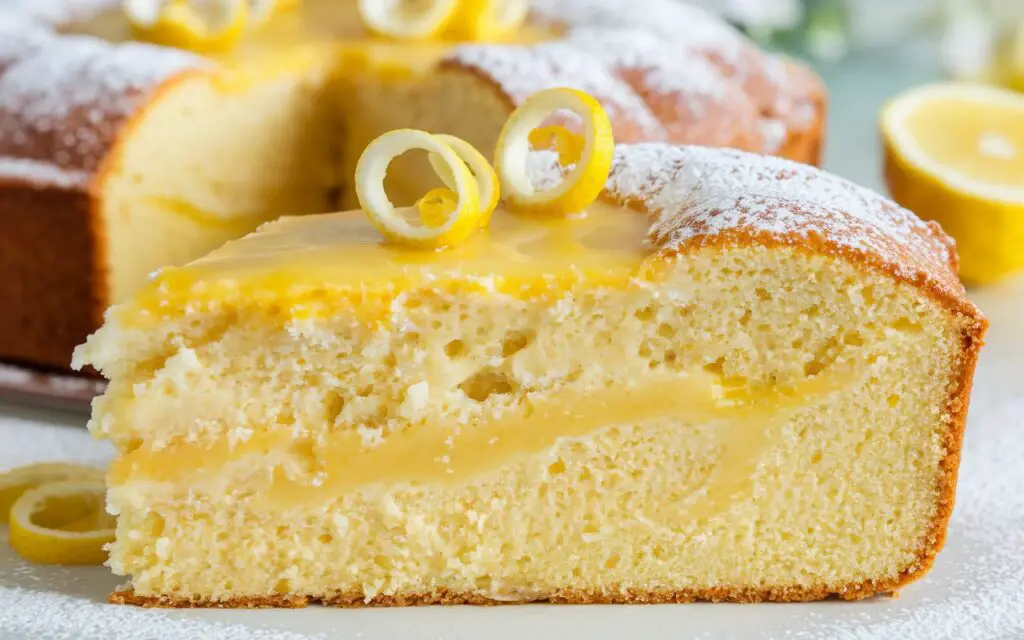
- Simple Slice: Great at room temperature with coffee or tea.
- Dessert Upgrade: Top with whipped cream, a dusting of powdered sugar, or fresh berries.
- Brunch Layout: Pair slices with a savory quiche, fruit salad, or yogurt parfait for a balanced spread.
Ensuring Moisture
Ricotta: The star factor is its moisture-retaining ability. Over-baking is the main risk for dryness, so keep a close eye on doneness.
Room-Temp Ingredients: Let eggs and ricotta come to room temp. Cold additions can affect emulsion.
Avoid Overmixing: Once flour is introduced, mix gently. Overworked gluten can yield a tough crumb.
Storage & Shelf Life
- Room Temperature: Wrap in plastic or store in an airtight container for up to 2 days.
- Refrigeration: Extend freshness to around 5 days; bring to room temp or gently microwave slices if you prefer warm cake.
- Freezing: Wrap slices individually, freeze up to 2 months. Thaw overnight in the fridge or at room temp.
Frequently Asked Questions
Q1: Can I use part-skim ricotta?
Yes, though the result may be marginally less rich. Whole milk ricotta is recommended for best texture.
Q2: I have leftover buttermilk—can it replace ricotta?
That changes the cake’s consistency significantly. Buttermilk is more liquid. You might try half the amount of buttermilk, but results vary.
Q3: Is it possible to make mini-loaves or muffins instead?
Absolutely. Adjust bake times accordingly—mini-loaves might need ~25–30 minutes; muffins ~18–22 minutes.
Q4: How do I get maximum lemon flavor?
Use fresh zest from unwaxed lemons. Add a bit of zest to the icing or consider a lemon syrup soak while the cake is still warm.
Q5: Can I reduce sugar for a tangier cake?
Yes, cut sugar by 1/4 cup. The lemon notes will stand out more, though the cake might be slightly less tender.
Conclusion

Lemon Ricotta Pound Cake – Light, Zesty Slice, So Refreshing, Moist! redefines the notion of pound cake, fusing sunny citrus brightness with the velvety undertones of ricotta. Each slice yields a tender crumb that’s neither too heavy nor too sweet, making it versatile across different serving occasions—morning coffee, afternoon tea, or even a cozy dessert with whipped cream. The inclusion of lemon zest and juice ensures a floral, tangy aroma from the moment you start mixing to the final bite.
The key to success is simple: mind your mixing technique, incorporate fresh, high-quality ingredients (like real lemons and whole milk ricotta), and pay attention to baking time to preserve moisture. Once you master the base recipe, feel free to experiment—drizzle it with glaze, swirl berries into the batter, or adapt it to mini-muffins for a quick snack. No matter how you slice it, the combination of lemon and ricotta remains a delightful pick-me-up that stands out in any baker’s repertoire.