


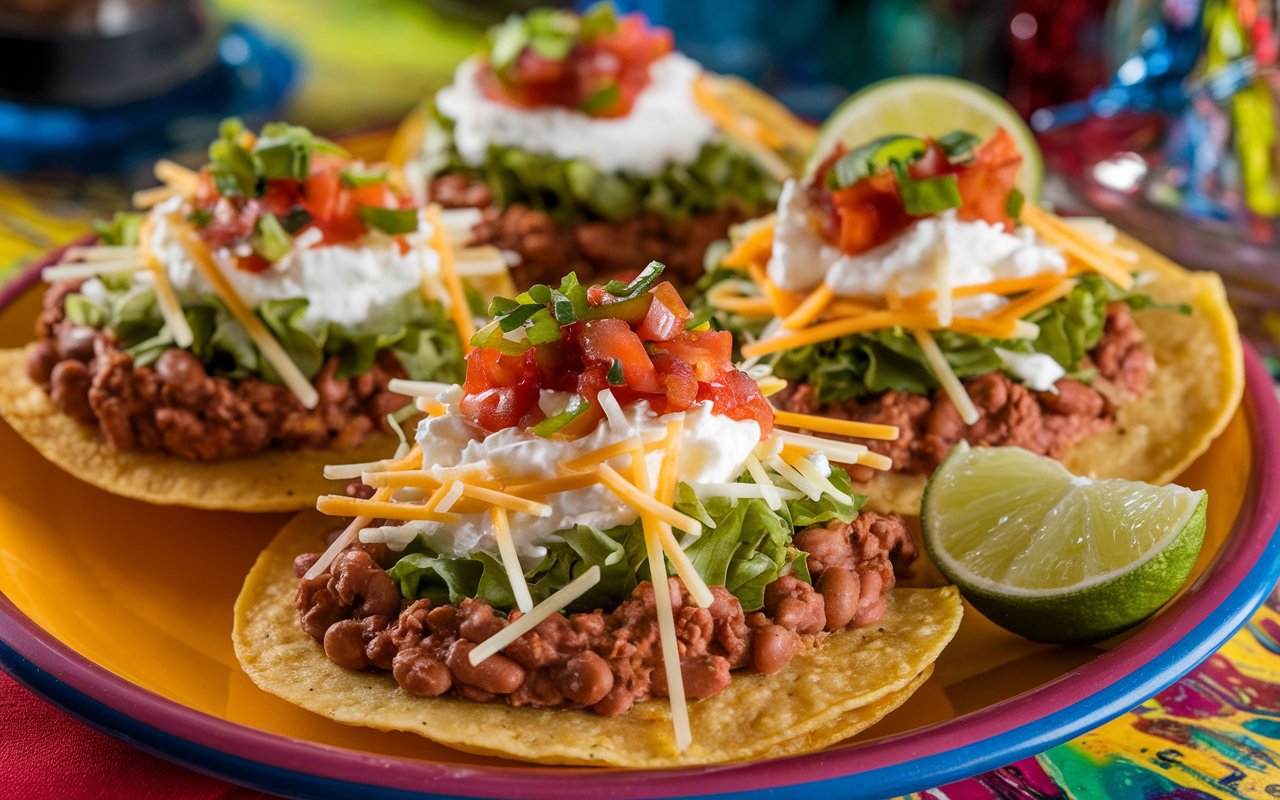
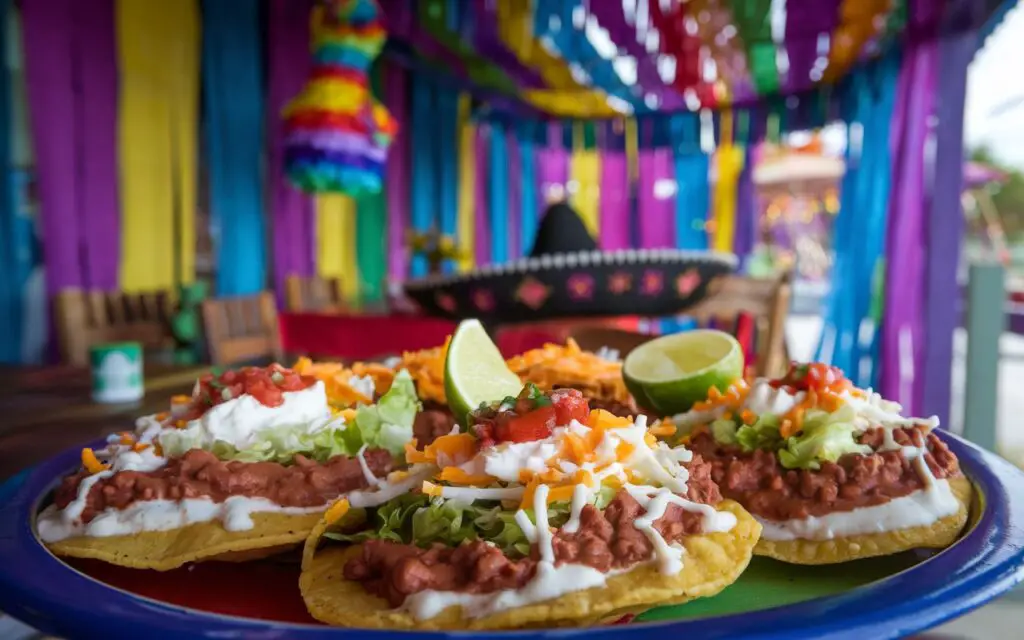
Envision a small, round masa base—crisped on the outside, tender in the center—topped with creamy refried beans, plus fresh lettuce, cheese, or salsa. That’s the essence of sopes, a Mexican specialty bridging the worlds of tortillas and thick corn cakes. Each sope offers a sturdy foundation for layering beans, shredded meat or additional toppings, reminiscent of a mini-tostada but with an authentic masa flavor that’s deeper than your average store-bought tortilla. Whether served as a midday snack or a full-blown meal with multiple sopes, these discs of corn dough offer a versatile, handheld treat capturing the best of Mexican street fare.
My initial fascination with sopes sprouted when seeking an alternative to tacos or tostadas. I wanted something that combined the textural satisfaction of a thicker corn shell with the ease of topping them as I liked. Once I discovered the beauty of homemade masa dough—shaped into small patties, pinched at the edges—I realized the possibility of layering in a robust smear of refried beans for a hearty base. Over time, I experimented with various toppings: shredded chicken, salsa verde, fresh cilantro, etc. But returning to the minimalist approach—beans, queso fresco, and a bit of pico—proved that simplicity can indeed be exquisite. Now, Mexican Sopes with Refried Beans stand as my go-to for when I crave a more interesting canvas than a standard tortilla, but still want that comforting taste of freshly cooked masa.
In this guide, we’ll detail how to craft sopes from scratch using masa harina, then load them with refried beans and other complementary garnishes. Whether you’re a corn masa enthusiast or seeking new ways to enjoy authentic Mexican street eats, prepare to delight in these thick, crisp rounds that elevate the humble bean to a supremely satisfying bite.

Why Mexican Sopes with Refried Beans Are Special
- Hearty & Flexible
Each sope is thicker than a tortilla, providing a substantial base you can load with beans and extras—ensuring a single sope can feel like a mini-meal. - Crisp-Tender Corn Dough
The masa shell typically gets lightly fried, yielding a crisp outer surface yet a soft, warm interior. That contrast in texture sets sopes apart from typical tortillas. - Personalizable Toppings
Refried beans are the classic anchor, but from there you might add shredded lettuce, cheese, salsa, guacamole, or even leftover meats if you desire. Each family member can build their own. - Deep Mexican Heritage
Sopes hail from central Mexico, demonstrating the diversity of corn-based antojitos (little cravings) in Mexican culinary tradition.
Ingredient Overview
Makes about 8–10 sopes:
| Ingredient | Quantity | Notes |
|---|---|---|
| Masa Harina (corn flour for tortillas) | ~2 cups | Look for a brand like Maseca, specifically labeled for tortillas/masa |
| Warm Water | ~1½ cups, or as needed | To hydrate masa harina for forming dough |
| Salt | ~½ tsp | Season the dough lightly |
| Oil (vegetable or canola) | For frying (enough to shallow-fry) | Typically ¼–½ inch in a skillet |
| Refried Beans (homemade or store-bought) | ~2 cups | A base topping for the sopes |
| Optional Toppings (cheese, lettuce, salsa, etc.) | As desired | Queso fresco, shredded lettuce, pico de gallo, crema, avocado—your choice |
| Optional Protein (shredded chicken, beef, etc.) | As desired (not mandatory) | If you want a meaty addition, though sopes with beans alone are common |
(Note: If you want to skip frying, some folks lightly pan-sear or griddle the sopes after forming. However, the classic approach involves a short fry to achieve the signature crispness.)
Step-by-Step Recipe (Approx. 45–60 Minutes)
- Form Masa Dough
- In a mixing bowl, combine ~2 cups masa harina, ~½ tsp salt, and ~1½ cups warm water. Stir until a soft dough forms—similar in consistency to pliable play-dough. If it’s too crumbly, add more water 1 tablespoon at a time. If too sticky, dust in a bit more masa. Let rest ~5 minutes so the masa fully hydrates.
- Shape Sopes
- Divide dough into 8–10 equal balls (~2 inches diameter). Flatten each ball gently between your palms or using a tortilla press, aiming for discs about ¼–⅓ inch thick, slightly thicker than a normal tortilla.
- Immediately after flattening, use your fingers to pinch up the edges, forming a shallow rim around the circumference. This rim helps hold fillings like beans. Some do this pinching post-cooking if that’s easier.
- Pre-Cook (Optional)
- Some cook the sopes lightly on a hot griddle (~30 seconds each side) before frying. This step preps them for final frying. Alternatively, go straight to shallow frying. Pre-cooking can aid in handling.
- Fry or Griddle
- In a skillet, heat ~¼–½ inch of oil over medium-high until shimmering. Slide in sopes carefully, cooking ~1–2 minutes per side until golden brown. Flip gently—avoid knocking off the edges. Drain on paper towels. Keep them warm in a low oven if necessary.
- If you prefer a less oily method, lightly oil a griddle and cook each side ~1–2 minutes, then pinch the edges if not done so. You might not get the same crispness as frying but it’s a lighter approach.
- Refried Beans
- While sopes cook, warm your refried beans in a small pot or microwave. If they’re very thick, add a splash of water or stock to get a spreadable consistency. Season with salt or spices (cumin, garlic powder) if needed.
- Assemble
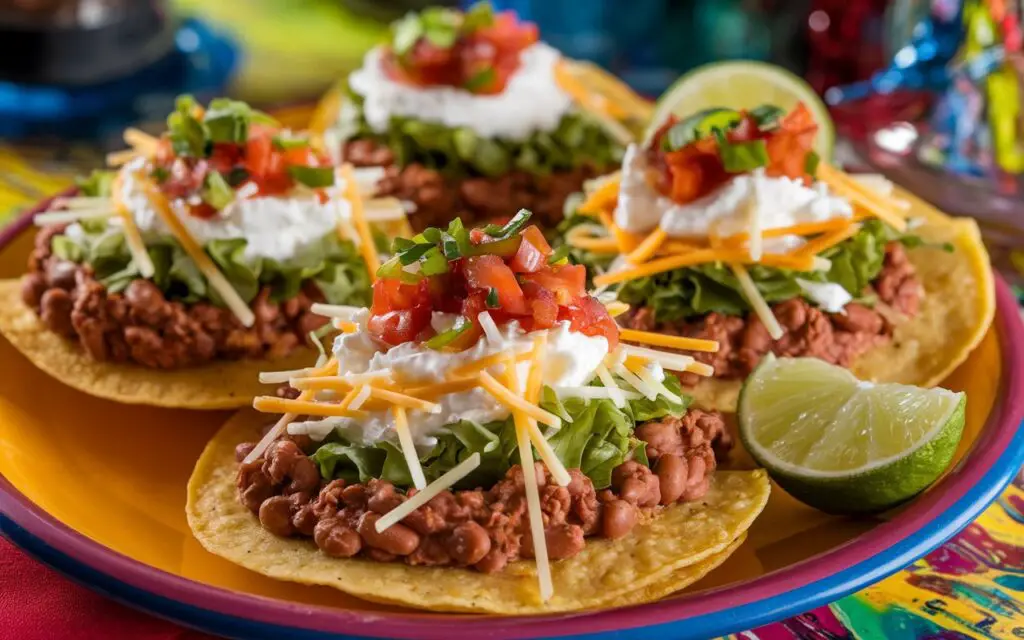
- Take each warm sope. Spoon a layer of refried beans into the center “cup.” If adding protein like shredded chicken, place it atop the beans. Finish with desired toppings: crumbled queso fresco, shredded lettuce, salsa or pico, avocado slices, or a drizzle of crema.
(Note: The exact thickness or cooking approach can vary by region or personal preference. The key is ensuring the sope structure remains strong enough to hold the toppings, with a crisp exterior that doesn’t easily collapse under the weight of beans.)
Flavor Variations
- Chile-Laced Masa
- Mix chili powder or chopped jalapeños directly into the masa dough for a spicier base. This approach integrates flavor in every bite, though mild sopes are standard.
- Cheesy Sopes
- After frying, some sprinkle grated cheese on the hot sope base so it melts slightly before adding beans. This yields a gooey underlayer reminiscent of a mini pizza.
- Healthy Baked Sopes
- Instead of frying, brush each sope with oil, place on a baking sheet, and bake at 400°F (205°C) ~10–15 minutes until golden. They won’t be as crispy but remain an option for those limiting fried foods.
- Beans Variation
- If refried beans aren’t available, you can mash pinto or black beans with some onions, garlic, and a bit of oil to simulate refried beans. Alternatively, whole beans can be used, though the layering might differ.
Serving & Storage
- Serving
- Typically served hot. Provide a platter of sopes topped with beans and let everyone add their choice of salsa, cheese, lettuce, etc. This fosters a build-your-own environment reminiscent of a taco bar.
- Side Dishes
- Sopes can stand alone as a snack or small meal. For a more robust dinner, add a salad, grilled veggies, or Spanish rice. Some folks pair them with a light soup.
- Leftovers
- Undressed sopes (without toppings) can keep in a sealed container up to 2 days. Reheat in a skillet or oven for crispness. Dressed sopes with beans and toppings can get soggy, best consumed immediately.
- Freezing
- Plain sopes freeze decently after frying. Thaw and reheat in a skillet or oven. This can streamline future snack prep or large gatherings.
Tips for Crisp & Sturdy Sopes
- Consistent Thickness
- Thinner than ¼ inch leads to a fragile sope that might break under toppings. Too thick might taste undercooked or doughy. ¼–⅓ inch is the sweet spot.
- Pinching Edges
- Creating a raised rim ensures fillings won’t spill over. If edges flatten while cooking, gently pinch them again if they’re pliable.
- Oil Temperature
- A moderate heat is best. If oil is too hot, the exterior browns quickly, leaving the inside undercooked or doughy. Too cool oil can produce greasy sopes.
- Beans Consistency
- Thicker beans can cause the sope to tear if you spread them forcibly. Thin them slightly for easy spreading, but not watery. A perfect medium ensures they stay put on the sope.
FAQ – Mexican Sopes with Refried Beans
Q1: Do I need special corn flour?
A1: Yes, masa harina is different from regular cornmeal or cornstarch. It’s nixtamalized corn flour used for tortillas, tamales, and sopes. Brands like Maseca are common.
Q2: Are sopes always fried?
A2: Traditional sopes are at least partially fried or lightly griddled. Some modern or health-conscious cooks bake or air-fry them. The crisp factor differs, but it’s doable.
Q3: Could I stuff them with other fillings besides beans?
A3: Absolutely. Shredded chicken, beef barbacoa, or guacamole are popular. Beans are classic but not mandatory. Sopes are flexible—like mini open-faced tacos.
Q4: My sopes fell apart—what happened?
A4: Possibly the dough was too dry or wet. Another cause could be flipping or handling them too soon. If the dough consistency was correct, maybe they needed gentler flipping or slightly longer cooking to firm up.
Q5: Can I use leftover thick chili instead of refried beans?
A5: That’s unconventional but feasible. The concept of a thick, savory filling remains. Ensure it’s not too runny or it’ll make the sopes soggy.
Conclusion
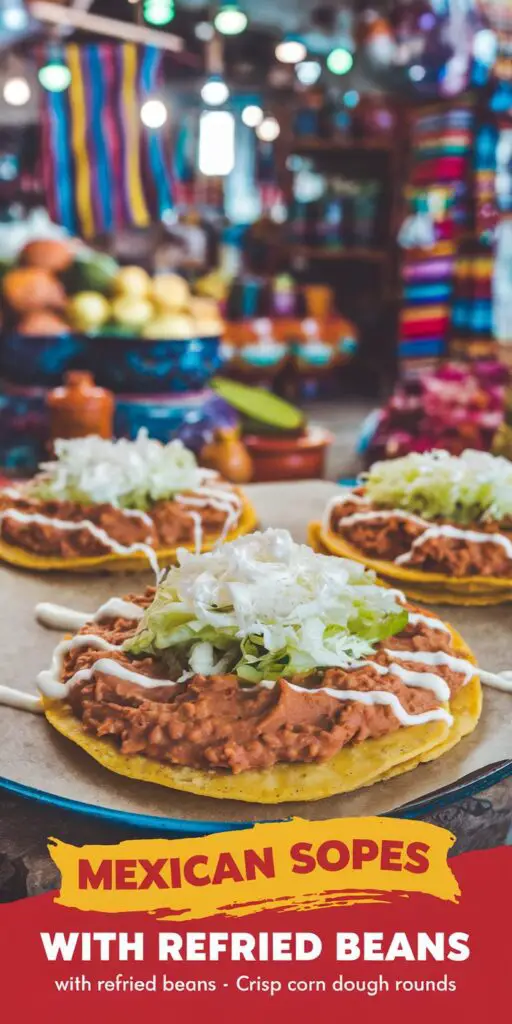
Combining corn masa, refried beans, and a range of optional garnishes—like cheese, salsa, or shredded meat—Mexican Sopes offer a crisp yet tender vehicle for a variety of bold flavors. Each sope stands as a miniature edible plate, letting you savor the synergy of masa’s gentle sweetness, the creamy beans, and any finishing touches that nod to your personal palate. Whether you munch on them at a street stall in Mexico or craft them fresh in your home kitchen, they provide a taste of tradition that can be as simple or elaborate as you desire.
Now that you know how to shape and fry sopes, layer them with warm refried beans, and top them with your chosen additions, why not set up a sope-making station this weekend? After enjoying that last crunchy, bean-laden bite—maybe loaded with fresh pico or tangy salsa—pop back and share your spin. Did you integrate a special cheese, incorporate spicier toppings, or attempt a baked approach? Your creativity might inspire other masa fans to discover a new favorite in these handheld corn rounds.