



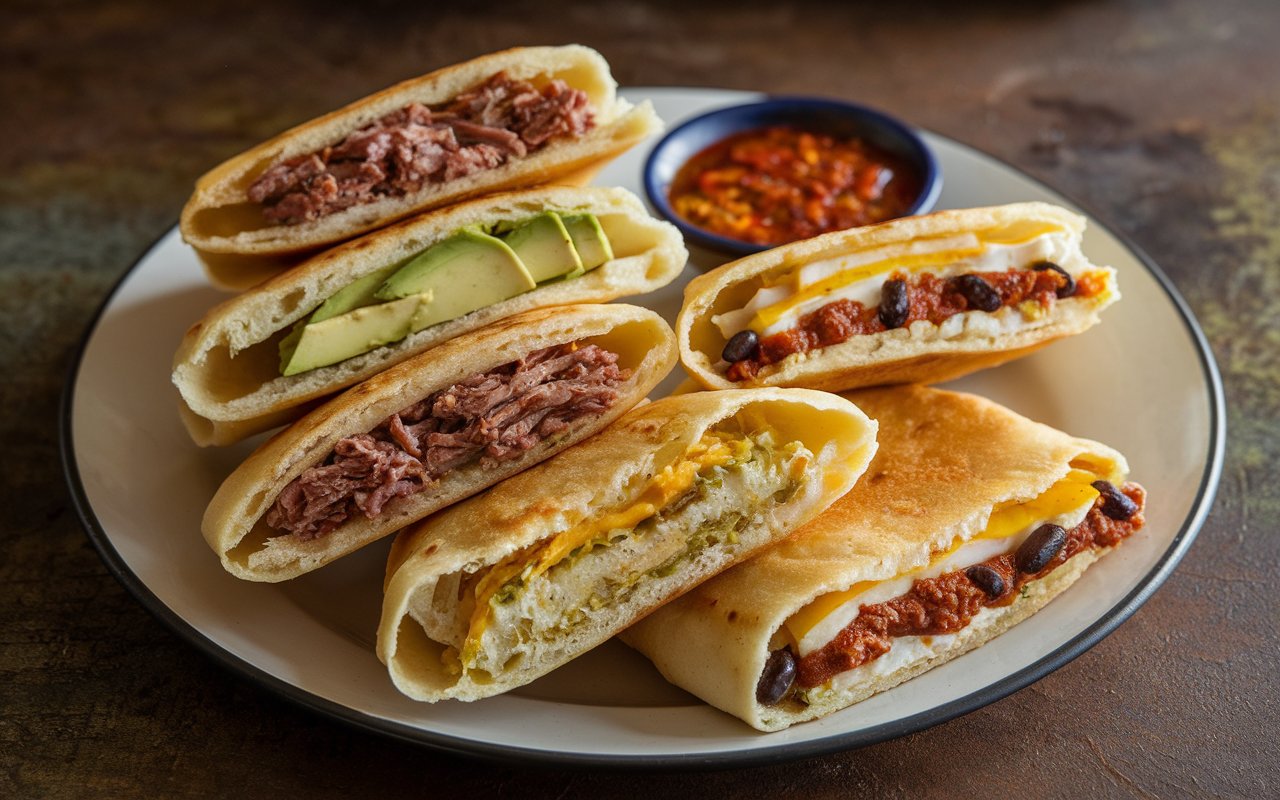
Introduction: A Journey into the Heart of Venezuelan Street Food
Imagine biting into a warm, golden arepa—a soft yet slightly crispy corn cake that holds within it a world of flavors. Venezuelan arepas are more than just food; they’re a cultural icon that embodies the spirit of Venezuela. I still remember the first time I encountered arepas on a bustling street market, where vendors skillfully filled them with an assortment of savory ingredients. Each arepa is a blank canvas, ready to be filled with everything from shredded meat and cheese to black beans, avocado, and plantains. Whether you’re in search of a satisfying breakfast, a hearty lunch, or an innovative dinner option, Venezuelan arepas offer endless possibilities for customization.
In this guide, we’ll explore the traditional art of making arepas—from crafting the perfect dough to mastering the fillings—so you can bring this beloved Venezuelan staple into your own kitchen. We’ll cover detailed steps, expert tips, and nutritional insights, ensuring you can create arepas that are not only delicious and versatile but also a healthy part of your culinary repertoire.
The Allure of Venezuelan Arepas
Venezuelan arepas are celebrated worldwide for their simplicity, versatility, and satisfying taste. Here’s what makes them so irresistible:
- Cultural Heritage:
Arepas are a cornerstone of Venezuelan cuisine, deeply rooted in tradition and beloved by all generations. - Gluten-Free Goodness:
Made primarily from cornmeal, arepas are naturally gluten-free, making them an excellent option for those with dietary restrictions. - Versatile Fillings:
Whether you prefer savory meats, melted cheeses, hearty beans, or fresh vegetables, the possibilities are endless. They can be enjoyed plain, stuffed, or even split and filled. - Perfect Texture:
A well-made arepa features a soft, tender interior with a lightly crisp exterior—a delightful contrast that enhances every bite. - Quick and Easy:
With simple ingredients and minimal equipment, arepas can be made at home in under an hour, making them perfect for busy weeknights or weekend feasts. - Nutritionally Balanced:
When prepared with quality ingredients, arepas offer a balanced mix of carbohydrates, protein, and essential nutrients, making them a wholesome meal option.

Essential Ingredients and Their Roles
The key to great Venezuelan arepas lies in the quality and balance of its ingredients. Below is a detailed table outlining the core components of the recipe and their purposes:
| Ingredient | Quantity | Purpose |
|---|---|---|
| Pre-cooked white or yellow cornmeal (Harina P.A.N. is traditional) | 2 cups | Forms the base of the arepas; finely milled for a smooth, consistent dough |
| Water | 2 to 2 1/2 cups | Hydrates the cornmeal, creating a pliable dough; amount may vary based on humidity and flour type |
| Salt | 1/2 teaspoon | Enhances flavor and balances the natural sweetness of the cornmeal |
| Optional: Olive oil or butter | 1-2 tablespoons | Adds richness to the dough and a slight crispness when cooking |
Versatile Filling Options
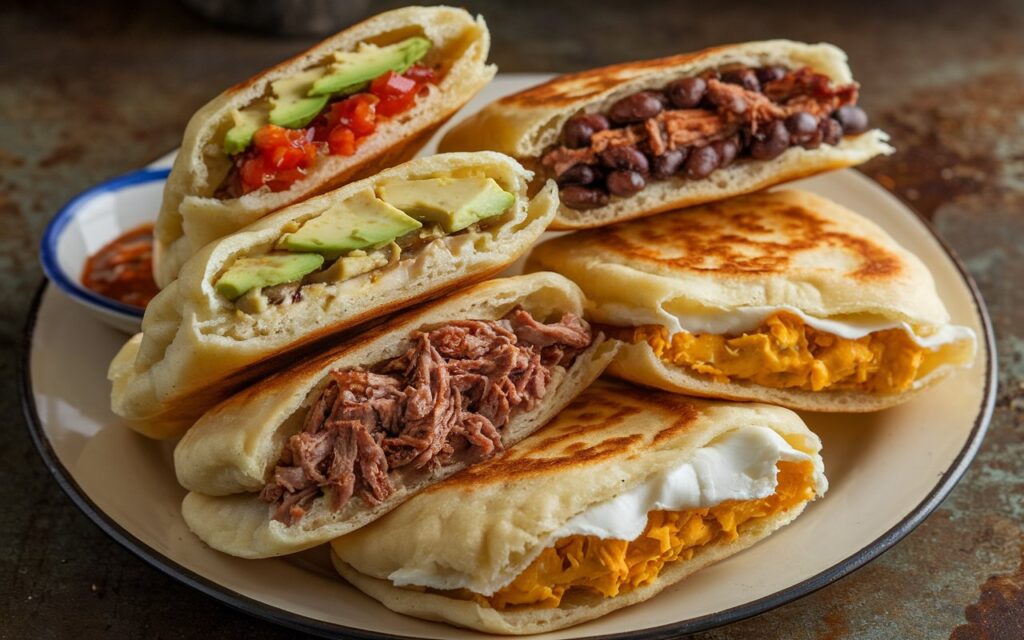
Arepas are incredibly versatile when it comes to fillings. Consider these popular options:
- Reina Pepiada:
A traditional Venezuelan filling made with shredded chicken, avocado, lime juice, and mayonnaise, mixed with fresh cilantro. - Cheese and Black Beans:
A hearty, vegetarian option featuring melted white cheese and seasoned black beans. - Shredded Beef or Pork:
Slow-cooked, seasoned meat that provides a rich, savory filling. - Vegetable Medley:
A mix of sautéed bell peppers, onions, and tomatoes for a light, fresh option. - Breakfast Arepas:
Filled with scrambled eggs, cheese, and a drizzle of salsa for a nutritious start to your day.
Tip: The beauty of arepas lies in their adaptability. Feel free to mix and match fillings based on your personal taste and dietary needs.
Step-by-Step Recipe Instructions
1. Preparing the Arepa Dough
A well-prepared dough is the foundation of delicious arepas:
- Measure and Mix:
In a large bowl, combine 2 cups of pre-cooked cornmeal and 1/2 teaspoon of salt. - Add Water Gradually:
Slowly pour in 2 to 2 1/2 cups of warm water, mixing continuously with your hands. The dough should be soft, smooth, and pliable, not sticky. Adjust the water as necessary—a drier dough will result in crisper arepas, while a slightly wetter dough yields a softer interior. - Rest the Dough:
Allow the dough to rest for 5-10 minutes. This rest period helps the cornmeal fully hydrate and makes the dough easier to work with.
2. Shaping the Arepas
The shaping process is simple but crucial for achieving the ideal texture:
- Divide the Dough:
Divide the dough into 8-10 equal portions. Roll each portion into a ball using your hands. - Form the Discs:
Gently flatten each ball between your palms to form a disc about 1/2 inch thick. The discs should have a smooth, even surface with slightly raised edges. - Check the Consistency:
If the dough cracks or is too dry, sprinkle a few drops of water and knead gently to incorporate. The aim is to create a smooth, cohesive dough that holds together well during cooking.
3. Cooking the Arepas
Arepas can be cooked on a griddle, in a skillet, or even baked, depending on your preference:
- Preheat Your Cooking Surface:
Heat a lightly oiled griddle or cast-iron skillet over medium-high heat. - Cook the Arepas:
Place the arepa discs on the hot surface. Cook for about 5-7 minutes on each side, or until they form a golden, crispy crust. They should puff slightly and sound hollow when tapped. - Optional Finishing in the Oven:
For extra assurance of doneness and a softer interior, you can transfer the arepas to a preheated oven at 375°F (190°C) for an additional 5-10 minutes.
4. Preparing Versatile Fillings
While the arepas are cooking, prepare your desired fillings. Here’s a brief overview of a few popular options:
Reina Pepiada (Chicken and Avocado Filling)
- Cook and Shred Chicken:
Use leftover or poached chicken breast, shredding it finely. - Mash Avocado:
In a bowl, mash 1 ripe avocado until smooth but still a bit chunky. - Mix with Lime and Herbs:
Combine the chicken and avocado with a squeeze of fresh lime juice, 1-2 tablespoons of mayonnaise, and chopped cilantro. Season with salt and pepper to taste.
Cheese and Black Bean Filling
- Prepare Black Beans:
Drain and rinse 1 can of black beans. Season with a pinch of cumin, salt, and pepper. - Melt the Cheese:
Warm 1/2 cup of crumbled white cheese (like queso fresco) in a small saucepan until just melted. - Combine:
Gently fold the black beans into the melted cheese, mixing until well combined.
Shredded Beef or Pork Filling
- Slow Cook the Meat:
Use slow-cooked, shredded beef or pork seasoned with garlic, onions, and a touch of cumin. - Shred and Mix:
Shred the meat finely and mix with a bit of its cooking juices for extra moisture and flavor.
5. Assembling the Venezuelan Arepas
Once your arepas and fillings are ready, the assembly is quick and simple:
- Slice Open the Arepas:
Using a sharp knife, carefully cut a small slit in the side of each arepa, creating a pocket. Avoid cutting all the way through; the goal is to create a space to stuff the filling. - Fill Generously:
Spoon your chosen filling into the pocket. If you’re offering multiple fillings, you can serve them on the side so guests can customize their arepa. - Garnish:
For an extra burst of flavor, garnish with a squeeze of lime, a sprinkle of fresh cilantro, or a drizzle of extra virgin olive oil.
6. Serving and Enjoying
Venezuelan Arepas are best enjoyed fresh and warm:
- Presentation:
Arrange the stuffed arepas on a large serving platter. Their rustic, hand-made appearance adds to their charm. - Accompaniments:
Serve with additional toppings such as extra lime wedges, salsa, avocado slices, or a fresh salad for a complete meal. - Enjoy:
Bite into an arepa to experience the perfect contrast of the crispy exterior and the flavorful, versatile filling—a dish that is both satisfying and comforting.
Expert Tips and Tricks
- Consistency of Dough:
The key to a perfect arepa is the dough. If it feels too dry, add water gradually; if too wet, add a bit more cornmeal. The dough should be soft, pliable, and hold its shape without cracking. - Cooking Technique:
Achieving the ideal balance of a crispy exterior and a tender interior requires proper heat. A well-heated griddle or cast-iron skillet is essential for a good sear. - Resting Time:
Allowing the dough to rest before shaping helps it become more elastic and easier to work with, reducing the chance of cracking. - Versatile Fillings:
Experiment with different fillings and serve them on the side to let everyone customize their arepa. Traditional fillings like Reina Pepiada are beloved, but modern twists can include a variety of vegetables, cheeses, or even vegan options. - Freezing Arepas:
If you have leftovers or want to prepare arepas ahead of time, they freeze well. Place them in a single layer on a baking sheet until frozen, then transfer to a freezer bag. Reheat in the oven to restore crispiness. - Serving Suggestions:
Arepas are extremely versatile—serve them as a main course, a hearty snack, or even an appetizer. They pair beautifully with a light salad, grilled meats, or a robust soup. - Garnishing for Extra Flavor:
Fresh garnishes such as lime wedges, chopped cilantro, or even a drizzle of a spicy sauce can elevate the dish and add an extra layer of flavor. - Clean and Consistent Cutting:
When slicing open the arepas for filling, ensure a neat cut to maintain the structural integrity of the corn cake, making it easier to hold the filling without falling apart.
Nutritional Benefits and Health Considerations
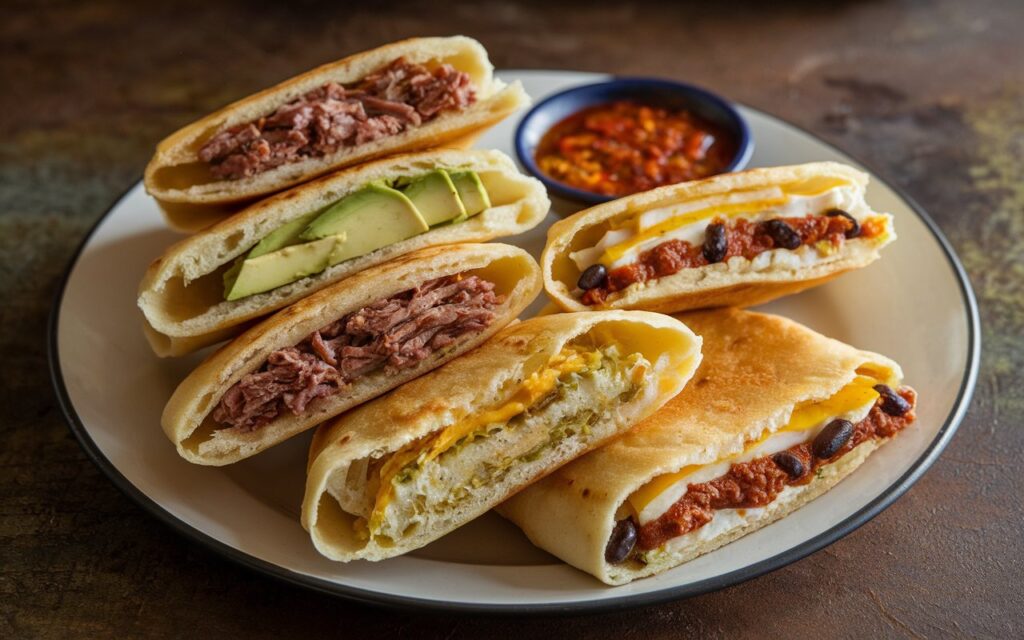
Venezuelan Arepas offer a balanced, nutrient-rich option that fits well into a healthy diet:
- Gluten-Free:
Made primarily from cornmeal, arepas are naturally gluten-free, making them accessible to those with gluten sensitivities. - Lean Carbohydrates:
Arepas provide a source of complex carbohydrates that release energy slowly, keeping you satisfied for longer periods. - Protein-Packed Fillings:
When filled with lean meats, beans, or vegetables, arepas offer a balanced meal with essential proteins and nutrients. - Rich in Fiber:
Depending on the filling and the use of whole grain alternatives, arepas can contribute to your daily fiber intake, promoting healthy digestion. - Customizable Nutrition:
By selecting your fillings carefully—such as lean proteins, fresh vegetables, and minimal added fats—you can tailor arepas to meet various dietary needs, including low-fat, high-protein, or vegan options. - Natural Ingredients:
When made from scratch with quality ingredients, arepas contain no artificial additives, ensuring a wholesome meal that supports overall health.
Note: While arepas are a healthy and versatile food, portion control is important if you’re monitoring your carbohydrate intake. Pair them with a side of fresh vegetables or a light salad for a balanced meal.
Frequently Asked Questions (FAQs) About Venezuelan Arepas
Can I make arepas without pre-cooked cornmeal?
Traditionally, Venezuelan arepas are made with pre-cooked cornmeal like Harina P.A.N., which is specifically treated to create a smooth dough. If you can’t find pre-cooked cornmeal, there are recipes available for making it from scratch, though the process is more involved.
Can I use different types of cornmeal?
While Harina P.A.N. is traditional, you can experiment with other types of pre-cooked cornmeal. However, the texture and flavor may vary, so it’s best to use a product specifically labeled for arepas if possible.
How do I know if my dough is the right consistency?
The dough should be soft, pliable, and not sticky. It should hold together well without cracking when shaped into a ball. If it crumbles, add a few drops of water; if it’s too sticky, incorporate a little more cornmeal.
Can I make arepas ahead of time?
Yes, arepas can be made ahead and even frozen. Once cooked, allow them to cool completely, then store in an airtight container in the refrigerator for up to 2 days, or freeze them for longer storage. Reheat in the oven to restore their crispness.
What are some popular fillings for arepas?
Traditional fillings include Reina Pepiada (chicken and avocado), shredded beef, black beans and cheese, or a mix of sautéed vegetables. You can also experiment with more modern fillings such as vegan options using plant-based proteins or even a simple spread of avocado and salsa.
How do I prevent my arepas from becoming too dry?
Ensure that you add just enough water to form a smooth, moist dough. Additionally, cooking them on a well-heated griddle or skillet helps seal in moisture while achieving a crispy exterior.
Bringing It All Together: A Celebration of Versatility and Flavor
Venezuelan Arepas are more than just a meal—they’re a culinary canvas waiting to be filled with your favorite flavors. Each bite offers a unique combination of a crispy, golden corn cake and a versatile, flavorful filling that can range from hearty meats to fresh vegetables and even plant-based proteins. Their adaptability, nutritional benefits, and cultural heritage make them a dish worth exploring and sharing.
Whether you’re preparing a quick lunch, a festive dinner, or simply experimenting with international cuisine, arepas bring a taste of Venezuelan tradition to your table. They are a perfect blend of simplicity and innovation, offering endless possibilities for customization. Every arepa you make is an opportunity to explore new flavor combinations, share a beloved cultural staple, and enjoy a meal that is both delicious and nourishing.
Call-to-Action: Share Your Arepa Creations!
I invite you to try this Venezuelan Arepas recipe in your own kitchen. Capture the vibrant colors and textures of your homemade arepas, and share your unique fillings and personal twists on social media with #VenezuelanArepas. Your creative variations, feedback, and shared experiences will inspire fellow food enthusiasts to embrace the art of making arepas—a dish that transforms simple cornmeal into a versatile, global favorite.
With this comprehensive guide, you’re now fully equipped to create Venezuelan Arepas that are bursting with flavor, cultural heritage, and endless customization possibilities. Enjoy every crispy, tender bite and the joy of sharing a true taste of Venezuela with family and friends!