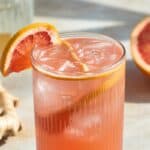



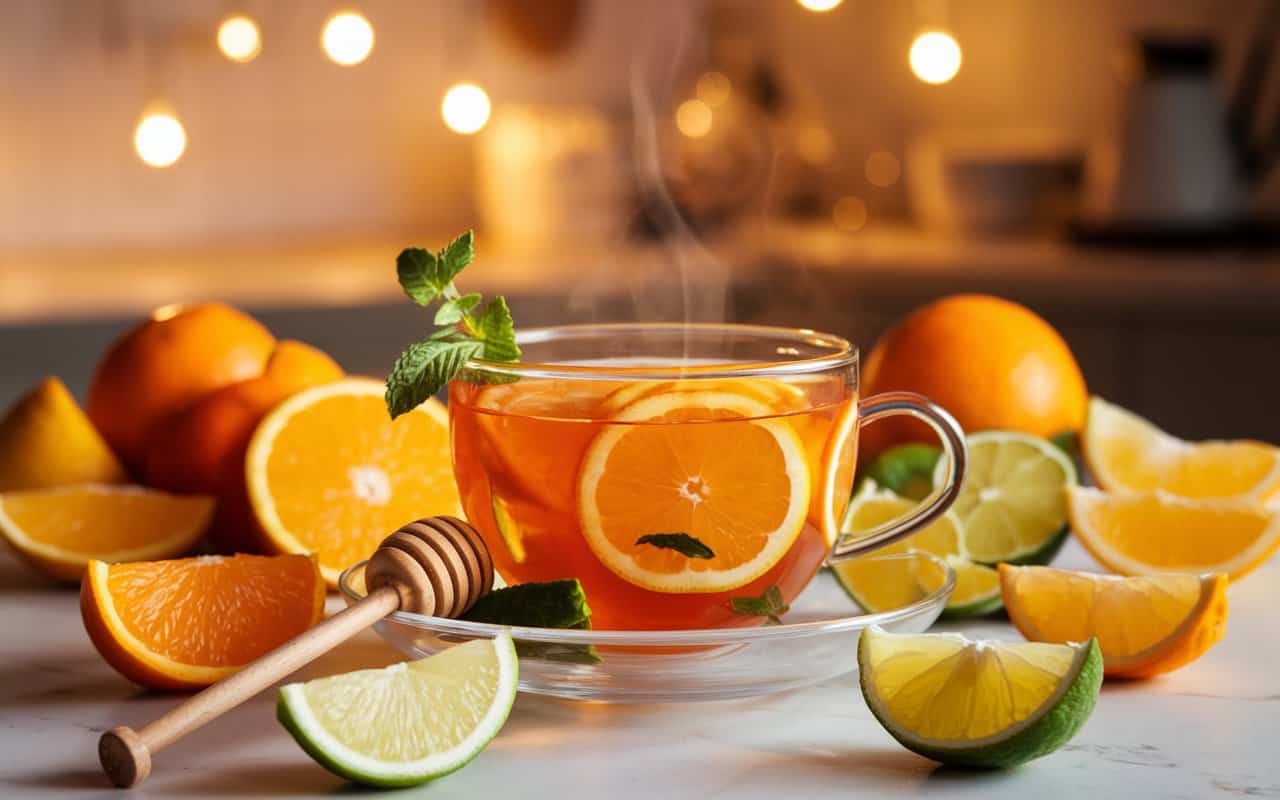
When sniffles and chills knock on your door, or when you simply crave a soothing cup to start or end your day, there’s nothing like a comforting tea. But what if that cozy brew could also amp up your immunity? Enter the Vitamin C Power Tea—an easy, homemade blend that merges flavor with a dash of health-consciousness. Incorporating this into your “Drink Recipes” lineup is a smart, tasty way to keep your body fortified.
- Key Ingredients for Your Vitamin C Tea
- Tools & Preparation
- Crafting Your Custom Blend
- Steeping and Serving Suggestions
- Boosting Your Health with Drink Recipes
- Flavor Tweaks and Variations
- Practical Tips: Storage and Shelf Life
- Frequently Asked Questions
- Final Thoughts: Embracing Wellness Through Drink Recipes
- Vitamin C Power Tea: A Homemade Blend
In this article, you’ll explore how to craft a custom tea blend loaded with vitamin C, using ingredients like rose hips, hibiscus, and citrus zest. We’ll walk through each component’s nutritional perks, the steps for blending and steeping, and tips on sweetening or enhancing flavors. By the end, you’ll have a jar of tea that can brighten your mornings, soothe your evenings, and possibly give your immune system the little boost it needs.
The Role of Vitamin C in Your Diet
Vitamin C is a water-soluble nutrient, meaning your body doesn’t store it for long periods. You need a steady intake to maintain healthy skin, good immune function, and robust antioxidant defenses. While fruits like oranges, strawberries, and kiwis are well-known sources, sipping your vitamin C can be just as beneficial—especially when you mix up a tea that’s both delicious and rich in plant-based goodness.
Store-bought wellness teas often come with a hefty price tag and varying quality. By blending your own, you control what goes in—no hidden additives, no random fillers. You can also tailor the flavor to your liking, whether you prefer a tart tang or a more mellow sweetness. And if your family or friends catch a whiff of that fragrant brew, they’ll likely be curious enough to try it themselves.
Key Ingredients for Your Vitamin C Tea

While there are many potential ingredients, a few stand out for packing a vitamin C punch and a fantastic taste:
- Rose Hips: These small, round seed pods of the rose plant are famously high in vitamin C. Their tangy, fruity flavor resembles cranberries, adding brightness to any tea.
- Hibiscus Flowers: Another tangy ingredient that gives your tea a vivid pink-red hue. Hibiscus also contains antioxidants and can lend a slightly tart edge, pairing beautifully with rose hips.
- Citrus Peels (Orange, Lemon, Grapefruit): Rich in vitamin C and bursting with essential oils that offer aromatic appeal. Dried peels work best for a stable blend.
- Dried Berries (Optional): Dehydrated strawberries, raspberries, or elderberries can increase vitamin content and sweetness.
- Herbal Allies: Ginger, mint, or lemongrass can add layers of flavor without overwhelming the star ingredients.
Feel free to explore local health food stores or online sources for dried rose hips and hibiscus. Many shops sell them loose, making it easier (and often cheaper) to buy in bulk.
Tools & Preparation
- Mixing Bowl: To combine the ingredients thoroughly.
- Storage Container: A glass jar or tin with a tight-fitting lid. Keep your blend safe from humidity, direct sunlight, and strong odors.
- Scoop or Spoon: For measuring when you brew.
- Kettle or Pot: Boiling or nearly boiling water is needed for herbal infusions, though we’ll discuss temperature nuances shortly.
- Teapot and Strainer: If you prefer, you can also use tea bags or reusable cloth pouches to hold the blend.
One advantage of herbal “Drink Recipes” is that you don’t have to worry about bitterness from oversteeping, as you might with black or green teas. Most herbal ingredients can handle a longer steep without turning unpleasantly bitter. However, the temperature and steep time can still affect the final flavor.
Crafting Your Custom Blend
- Basic Ratio: A general starting point could be 1 cup of dried rose hips, 1 cup of dried hibiscus, and 1/2 cup of mixed citrus peels. Adjust to taste.
- Combine in a Bowl: Gently mix the dried components. Make sure you break up any clumps of citrus peel or large chunks of hibiscus.
- Add Herbal Extras: If using ginger, dried berries, or mint, fold them in gradually. You want each scoop of the final blend to have a balanced distribution.
- Taste Test (Dry Method): Sniff the blend. The scent often gives you a clue about the potential flavor profile. If it smells overwhelmingly sour, you might add a bit more citrus peel for sweetness or incorporate a mild herb like chamomile to soften it.
- Store Properly: Transfer your blend into an airtight container. Label it (e.g., “Vitamin C Power Tea”) along with the date so you can track freshness. Herbs generally retain their potency for about six to twelve months, depending on storage conditions.
Steeping and Serving Suggestions

To brew a cup:
- Water Temperature: Herbal teas generally do well with boiling water (about 212°F / 100°C). This helps extract maximum flavor and nutrients.
- Steep Time: Aim for 5–10 minutes, or even longer if you prefer a stronger taste. The color should develop into a radiant pink or red if you’re using hibiscus and rose hips.
- Sweeteners: If the tea is too tart, add honey, maple syrup, or stevia. If you love the tartness, sip it plain. A slice of fresh lemon can intensify the tang.
- Serving Styles:
- Hot Brew: Perfect for chilly days or when you feel a cold coming on.
- Iced Tea: Brew a concentrate, let it cool, then pour over ice. Add fresh fruit for a decorative flourish.
- Tea Latte: For a creamy twist, steep the blend extra strong and add frothed milk or a plant-based alternative. Sweeten with a mild sweetener to taste.
Boosting Your Health with Drink Recipes
While no single beverage can guarantee immunity, enjoying a vitamin C–rich tea blend is a lovely way to complement a balanced diet and healthy lifestyle. Think of it as part of a broader routine that includes nutrient-dense meals, regular exercise, and sufficient sleep. The ritual of brewing tea itself can also be soothing—sometimes the act of slowing down and inhaling fragrant steam is as beneficial as the vitamins you’re consuming.
Additionally, consider how you can pair your vitamin C tea with other nutritious habits. For instance, you might sip a mug in the morning alongside a breakfast of oatmeal and fresh fruit. Or, turn it into a post-lunch treat that wards off afternoon cravings. By weaving it into your daily pattern, you make wellness feel more natural and less like a chore.
Flavor Tweaks and Variations
- Cinnamon or Clove: For a wintry spin, toss in a small stick of cinnamon or a single clove during steeping. These spices offer warmth and additional antioxidant properties.
- Licorice Root: If you fancy a hint of sweetness without adding sugar, a pinch of licorice root can do the trick. Be mindful though—licorice can be quite strong.
- Green Tea Fusion: If you enjoy mild caffeine, blend a few tablespoons of green tea into your herbal mix. Just remember to lower the water temperature to around 175–185°F for green tea, or it could turn bitter.
- Lavender or Chamomile: For a floral, calming essence. These can help tone down the tang of hibiscus while contributing a soothing aroma.
Each experiment can lead you to a new favorite, so don’t hesitate to explore. You might stumble upon a signature blend that’s distinctly yours—something you pass on to friends or serve at gatherings.
Practical Tips: Storage and Shelf Life
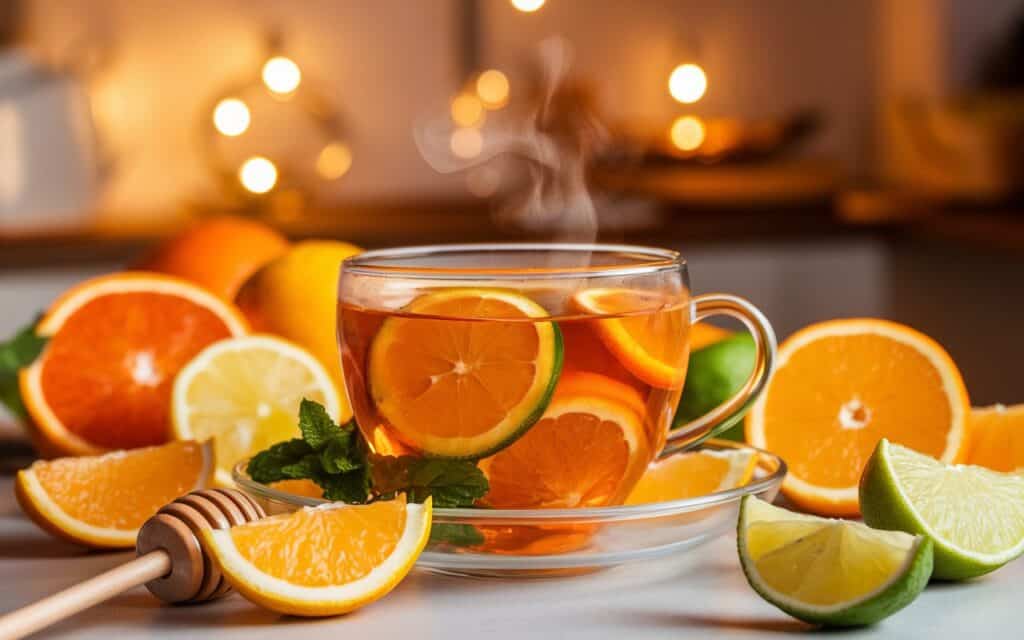
Proper storage is crucial to preserving the potency and flavor of your homemade blend:
- Containers: Opt for a glass jar with a tight lid or a metal tea tin. Clear containers can be handy, but consider storing them in a dark cupboard to protect from light.
- Humidity: Keep your jar away from areas of high moisture (like over a steamy stove). Herbs can clump or grow stale quickly if exposed to humidity.
- Timing: Aim to use your blend within 6–12 months. The vitamin C content may gradually diminish over time, but the tea will likely remain drinkable beyond that—just less potent.
Frequently Asked Questions
- Does Boiling Water Destroy Vitamin C?
- High heat can reduce vitamin C content. To minimize loss, let your boiling water cool slightly before pouring it over the herbs. A short steep time can also help, but your tea may be less flavorful. It’s all about balance.
- Can I Mix This with Other Herbal Tea Bags?
- Absolutely. If you have a favorite chamomile or rooibos teabag, combine it with your vitamin C blend for a customized infusion. The result might be a smoother taste if you find hibiscus too tart on its own.
- Is Fresh Citrus Peel Better Than Dried?
- Fresh peels contain more moisture and essential oils, which can introduce mold or reduce shelf life in your blend. Drying them first ensures longer storage and a more concentrated flavor.
- Can I Add Sweetener to the Blend Itself?
- It’s typically best to sweeten each cup as you brew. Adding sugar or honey to the entire batch can lead to clumping or spoilage.
- Is This Safe for Children?
- Generally, yes. However, always check with a pediatrician if your child has specific dietary needs or allergies. You can dilute the tea or reduce hibiscus if you worry about tartness.
Final Thoughts: Embracing Wellness Through Drink Recipes
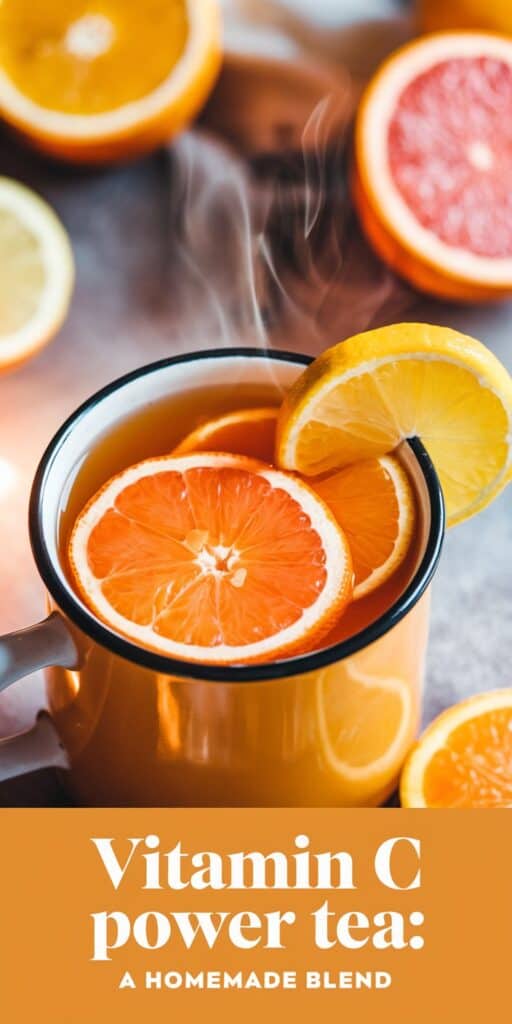
Creating a homemade vitamin C tea blend is a delightful way to embrace a more proactive approach to wellness. Instead of relying on store-bought tea bags with unknown fillers, you handpick each ingredient—knowing exactly what goes into your cup. This level of customization doesn’t just end with the tea leaves; you decide how strong or mild you want the flavor, whether to add sweeteners, and when to sip it throughout the day.
As you incorporate this blend into your lifestyle, consider the ripple effect: maybe you’ll make a habit of sipping tea after dinner instead of reaching for a dessert, or perhaps you’ll invite friends over for a tea-tasting session, turning your healthy habit into a social ritual. By taking small, flavorful steps, you can transform everyday beverages into opportunities for nourishment and enjoyment.
So gather your dried rose hips, hibiscus flowers, and citrus peels, and get mixing. Once you taste that first cup—a swirl of tangy, floral, and fruity notes—you’ll realize that a little bit of extra vitamin C can go a long way in brightening not just your health, but your day.
Print
Vitamin C Power Tea: A Homemade Blend
- Total Time: 10 minutes
- Yield: 4 1x
Description
A revitalizing tea blend designed to supercharge your immune system with a potent dose of vitamin C and antioxidants. This homemade tea combines tangy citrus, tart hibiscus, and the natural goodness of rose hips—accented with a subtle spicy kick of ginger and enhanced by green tea—for a refreshing and healthful infusion.
Ingredients
- 1 large Lemon Sliced; adds tangy flavor and vitamin C
- 1 large Orange Sliced; provides natural sweetness and vitamin C
- 2 tbsp Dried hibiscus flowers For tartness and antioxidant properties
- 2 tbsp Dried rose hips High in vitamin C and antioxidants
- 1 tbsp Green tea leaves Optional; enhances antioxidant profile
- 1 inch Fresh ginger Thinly sliced for a subtle spicy kick
- 1 –2 tbsp Honey Adjust to taste; natural sweetener
- 4 cups Water For brewing the tea
- A few – Fresh mint leaves Optional garnish
Instructions
Prepare the Ingredients:
- Slice the lemon and orange into thin rounds.
- Thinly slice the fresh ginger.
Boil the Water:
- Bring 4 cups of water to a rolling boil in a kettle or saucepan.
Assemble the Tea Blend:
- In a teapot or heatproof pitcher, add the dried hibiscus flowers, dried rose hips, green tea leaves (if using), and fresh ginger slices.
- Add the sliced lemon and orange to the mix.
Brew the Tea:
- Pour the boiling water over the ingredients.
- Cover and let the tea steep for about 5 minutes, or until the desired strength is achieved.
Strain and Sweeten:
- Strain the tea into a serving pitcher to remove solids.
- Stir in honey until fully dissolved, adjusting the amount to taste.
Serve:
- Pour the tea into cups.
- Garnish with fresh mint leaves if desired.
- Enjoy hot, or cool the tea for a refreshing iced version.
Notes
- For a stronger infusion, allow the tea to steep for an extra minute.
- This blend can be enjoyed hot or as a refreshing iced tea—simply let it cool and add ice.
- Adjust the honey to suit your desired sweetness level.
- Experiment with additional herbs such as basil or thyme for a unique twist on flavor.
Enjoy your Vitamin C Power Tea: A Homemade Blend—a delightful, energizing beverage packed with natural vitamin C and antioxidants!
- Prep Time: 10 minutes
- Category: Dessert
- Cuisine: American
Nutrition
- Calories: 90