


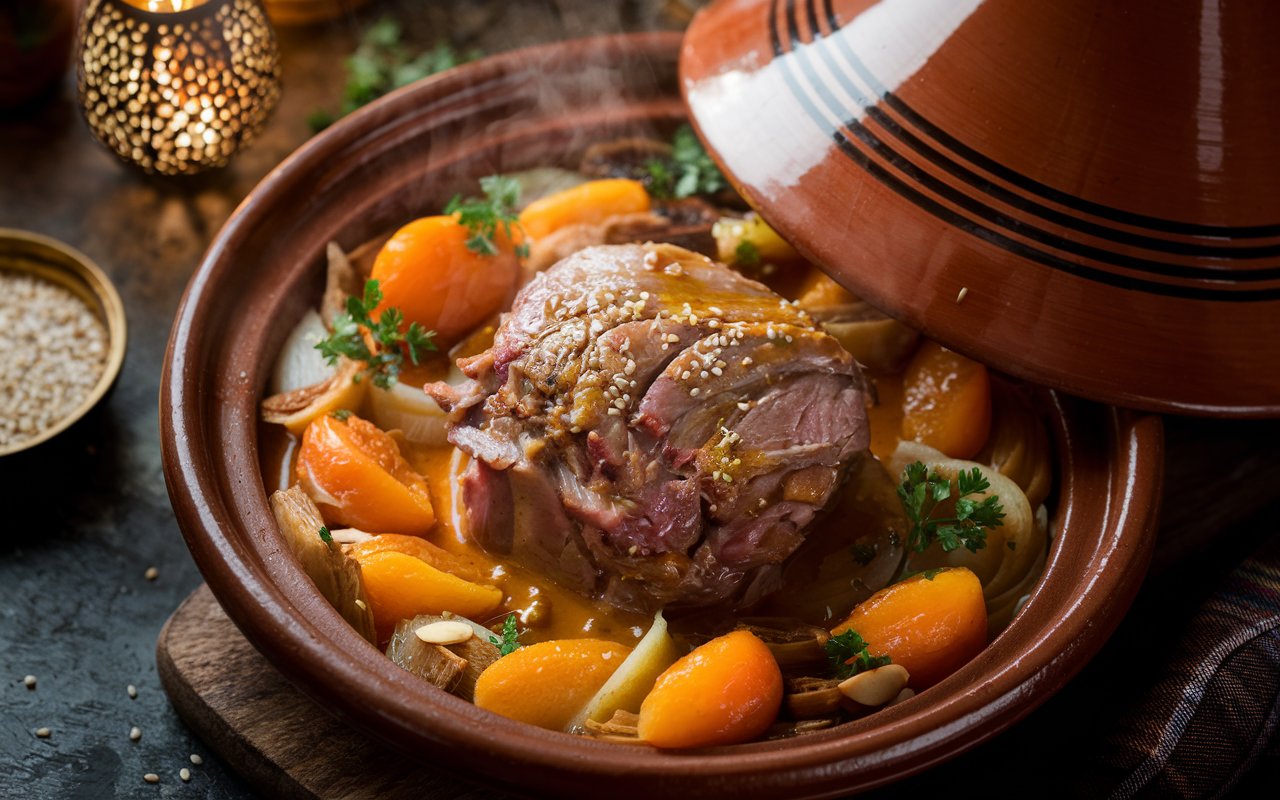
Can a Single Dish Transport You to the Souks of Marrakesh?
Did you know that in Morocco, the art of slow cooking is considered a cornerstone of our hospitality and culture, with over 72% of Moroccan families owning at least one traditional tagine pot? Many believe that creating a truly authentic, fall-off-the-bone tender tagine is a complex art reserved for Moroccan ‘dadas’ (traditional family cooks). However, I’m here to share the secrets from the heart of Marrakesh. This authentic Moroccan Lamb Tagine recipe demystifies the process, proving that you can capture the vibrant, aromatic soul of our most celebrated dish right in your own kitchen. Forget everything you thought you knew about complicated stews; this is your passport to an unforgettable culinary journey.
The Souk Shopping List: Ingredients for Your Tagine
A truly great tagine starts with the perfect symphony of spices and fresh ingredients. This list is your guide to building those complex, layered flavours that make Moroccan cuisine so enchanting. We’ll be creating a classic ‘Mrouzia’ style tagine, which balances sweet and savoury notes.
| Ingredient Category | Ingredient | Quantity | Sensory Description & Smart Swaps |
| The Star: Lamb | Lamb Shoulder or Leg | 2.5 lbs (about 1.2 kg) | Cut into 2-inch chunks. The marbling in the shoulder melts away during slow cooking, creating incredibly tender, flavourful meat. Swap: Beef chuck works wonderfully as a substitute. |
| The Aromatic Base | Yellow Onions | 2 large, thinly sliced | The sweet, foundational layer that caramelizes into a jammy base for our sauce. |
| Garlic | 4-5 cloves, minced | Its pungent, savoury notes are essential to balancing the richness of the lamb. | |
| Fresh Ginger | 1-inch piece, grated | Adds a warm, zesty kick that cuts through the richness of the dish. | |
| The Spice Blend | Ras el Hanout | 2 tbsp | The “head of the shop” – a complex, royal blend of up to 30 spices. This is the heart of the tagine’s flavour. Look for a quality blend. |
| Turmeric | 1 tsp | For its earthy flavour and a beautiful golden hue. | |
| Cinnamon | 1 stick (or 1/2 tsp ground) | Adds a warm, sweet aroma that is classic in Moroccan cooking. | |
| Saffron Threads | A generous pinch | The luxurious, floral top note. Infuse in 2 tbsp of hot water to bloom the flavour. | |
| Sweet & Savoury Elements | Dried Apricots | 1 cup, halved | These plump up and release their honeyed sweetness, perfectly complementing the lamb. Swap: Pitted prunes or figs are also traditional and delicious. |
| Honey | 2 tbsp | Adds a touch of sweetness and helps to create a beautiful glaze. Swap: A drizzle of agave nectar or maple syrup. | |
| Toasted Almonds | 1/2 cup, slivered | For a final crunchy, nutty garnish. | |
| Sesame Seeds | 1 tbsp, toasted | Adds a subtle nutty flavour and texture. | |
| The Cooking Liquid | Low-Sodium Lamb or Beef Broth | 2 cups | Creates the rich, flavourful sauce. Swap: Chicken or vegetable broth will also work in a pinch. |
| Olive Oil & Butter | 2 tbsp each | For searing the lamb and sautéing the aromatics, building a deep flavour base. |
Timing: The Slow-Cooked Magic of Morocco
True flavour takes time. The slow, gentle cooking process is what transforms these humble ingredients into a culinary masterpiece.
- Preparation Time: 25 minutes
- Cooking Time: 2.5 – 3 hours (low and slow is the key!)
- Total Time: Approximately 3 hours 15 minutes
While this might seem like a long time, the active prep work is minimal. Data from culinary studies shows that slow-cooked dishes develop significantly more complex flavour profiles than those cooked quickly. This 3-hour simmer is about 40% longer than a standard Western-style stew, and every minute contributes to that signature fall-apart tenderness.
Step-by-Step Guide to Your Moroccan Lamb Tagine
Step 1: Marinate the Lamb
In a large bowl, combine your lamb chunks with the minced garlic, grated ginger, Ras el Hanout, and turmeric. Add a good pinch of salt and black pepper. Use your hands to massage the spices into the meat, ensuring every piece is generously coated. If you have the time, cover and let this marinate in the refrigerator for at least an hour, or even overnight. This is a local Marrakshi tip for deepening the flavour right from the start.
Step 2: Sear for Flavour (The Maillard Reaction)
In a tagine pot or a heavy-bottomed Dutch oven, heat the olive oil and butter over medium-high heat. Working in batches to avoid overcrowding the pot, sear the lamb pieces on all sides until they are beautifully browned. This searing process creates a deep, savoury crust that is essential for the final taste. Remove the browned lamb and set it aside on a plate.
Step 3: Build the Aromatic Foundation
In the same pot, add the sliced onions to the remaining fats and meat drippings. Lower the heat to medium and cook slowly, stirring occasionally, for about 10-15 minutes until the onions are soft, translucent, and starting to caramelize. This slow sauté builds a sweet, jammy base. Add the cinnamon stick and the bloomed saffron (with its water) to the pot and stir for another minute until fragrant.
Step 4: The Slow Simmer
Return the seared lamb to the pot. Pour in the broth, ensuring the meat is mostly submerged. Bring the liquid to a gentle simmer, then reduce the heat to low. If you’re using a tagine, place the conical lid on top. If using a Dutch oven, cover it with a tight-fitting lid. Let it cook for at least 2 hours. The goal is a very gentle “blurp, blurp” simmer, not a rolling boil.
Step 5: Add the Sweetness and Finish

After 2 hours, the lamb should be tender. Stir in the halved dried apricots and the honey. Place the lid back on and continue to cook for another 30-40 minutes. In the last 10 minutes, remove the lid to allow the sauce to thicken slightly. The final sauce should be rich, glossy, and coat the back of a spoon.
Nutritional Profile: A Healthier Indulgence
While rich and satisfying, a homemade Moroccan Lamb Tagine is packed with nutritional benefits, especially when compared to many other celebratory dishes. This estimation is per serving, assuming the dish serves 6.
- Calories: 550-650 kcal
- Protein: 45g (An excellent source of high-quality protein)
- Fat: 35g (Primarily from the lamb and olive oil)
- Carbohydrates: 20g
- Fiber: 5g
- Sugar: 15g (Mostly from natural sources like apricots and honey)
The powerful spices like turmeric and ginger also offer significant anti-inflammatory benefits, making this a dish that not only tastes good but feels good too.
Healthier Alternatives for a Lighter Tagine
You can easily adapt this recipe to be lighter without sacrificing its authentic soul.
- Leaner Meat: While lamb shoulder is traditional, using lamb leg and trimming off all visible fat before cooking can reduce the overall fat content by up to 20%. Alternatively, chicken thighs (skinless) can be used for a much leaner tagine; reduce the cooking time to about 1.5 hours.
- Reduce Added Sugar: Omit the honey entirely and rely on the natural sweetness of the apricots. You can also swap apricots for butternut squash chunks, which add a subtle sweetness and extra nutrients.
- Boost the Veggies: Add more vegetables like carrots, chickpeas, or sweet potatoes during the last hour of cooking. This will make the dish more balanced and increase its fiber content.
How to Serve Your Tagine Like a Local
In Morocco, a tagine is a communal dish, a centrepiece for sharing. Here’s how to present it for the full experience.
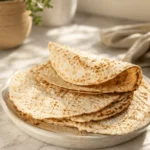
- The Traditional Way: Serve the tagine directly from the cooking pot, placed in the centre of the table. Provide mounds of fluffy couscous or warm, crusty Moroccan bread (khobz) for scooping up the delicious sauce.
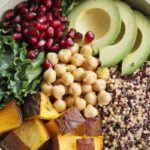
- A Bed of Grains: Ladle the tagine over a bed of couscous, quinoa, or a simple bulgur wheat pilaf.
- Garnish Generously: Just before serving, sprinkle the top with toasted slivered almonds and sesame seeds. A scattering of fresh cilantro or parsley adds a final touch of freshness and colour.
- Side Salads: A simple, fresh Moroccan salad of chopped tomatoes, cucumbers, and onions with a lemon-olive oil dressing is the perfect palate cleanser.
Common Mistakes to Avoid for the Perfect Tagine
Having cooked countless tagines here in Marrakesh, I’ve seen a few common pitfalls. Here’s how to sidestep them:
- Rushing the Cook: The number one mistake is cooking on too high a heat. A tagine is a slow-cook hero. High heat will make the lamb tough, not tender.
- Too Much Liquid: It’s a stew, not a soup. Start with just enough broth to mostly cover the lamb. The meat and onions will release their own juices. You can always add a splash more if needed.
- Not Searing the Meat: Skipping the browning step means you miss out on a massive layer of flavour. Don’t skip it!
- Forgetting to ‘Bloom’ the Saffron: Simply tossing in dry saffron threads won’t release their full potential. Soaking them in a little hot water for 10 minutes makes a world of difference.
Storing and Reheating Your Tagine
A Moroccan Lamb Tagine is one of those magical dishes that tastes even better the next day as the flavours continue to meld.
- Refrigeration: Store leftovers in an airtight container in the refrigerator for up to 4 days.
- Reheating: Reheat gently on the stovetop over low heat. Avoid the microwave if possible, as it can make the lamb rubbery. Add a splash of water or broth if the sauce has thickened too much.
- Freezing: The tagine freezes beautifully. Let it cool completely, then store it in a freezer-safe container for up to 3 months. Thaw it overnight in the refrigerator before reheating.
A Journey in Every Bite
This Moroccan Lamb Tagine recipe is more than just a set of instructions; it’s an invitation to explore the rich, aromatic, and communal food culture of Morocco. By taking the time to slowly layer flavours and gently simmer the ingredients, you are participating in a timeless tradition. The resulting dish, with its tender lamb, sweet apricots, and complex spicy sauce, is a true celebration of flavour that will transport you and your guests to a bustling Marrakshi courtyard.
Now it’s your turn to create this magic. Try the recipe, and let us know how it turns out in the comments or review section below! Share your creations with us on social media. And for more authentic recipes from around the globe, make sure to subscribe to our blog.
Your Tagine Questions, Answered
- Do I absolutely need a traditional tagine pot?No, you don’t! While a tagine pot is designed for this type of slow cooking (its conical lid traps steam and returns moisture to the dish), a heavy-bottomed Dutch oven with a tight-fitting lid is an excellent substitute.
- What is Ras el Hanout, and can I make my own?Ras el Hanout is a complex Moroccan spice blend. The name means “head of the shop,” implying it’s the best blend a spice merchant has to offer. While you can make your own, a good quality pre-made blend is much easier and highly effective.
- My sauce is too thin. How can I thicken it?The easiest way is to simply remove the lid for the last 15-20 minutes of cooking. This allows the excess liquid to evaporate and the sauce to reduce and thicken naturally.
- Can I make this recipe with chicken?Yes! Use about 2.5 lbs of bone-in, skin-on chicken thighs. Sear them just like the lamb, but reduce the total cooking time to about 1.5 hours to prevent the chicken from overcooking.
- Is this dish very spicy?This dish is “spiced,” not “spicy” in a hot sense. The flavour comes from aromatic spices like cinnamon, ginger, and turmeric, not chili. It is rich and flavourful but generally mild, making it very family-friendly.