


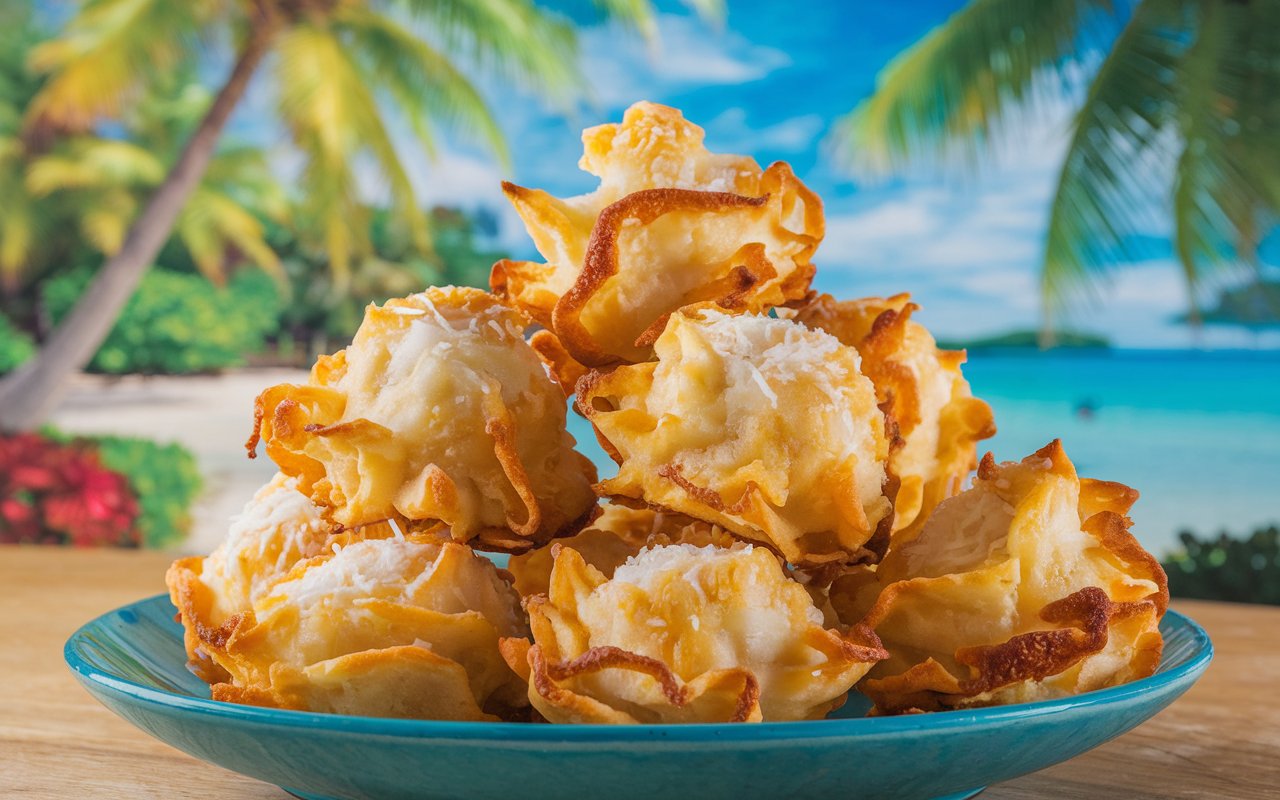
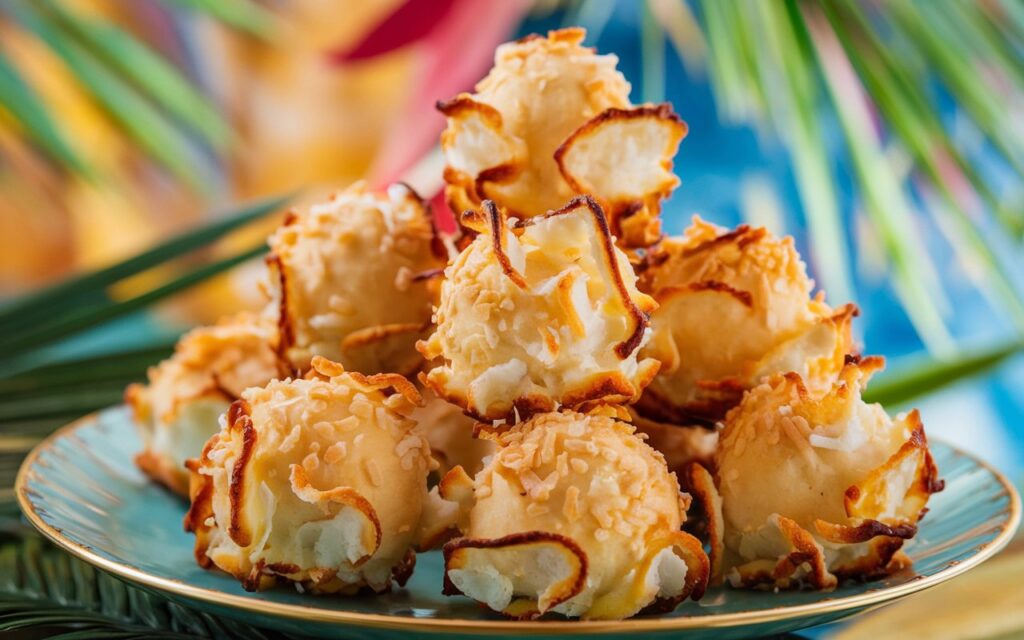
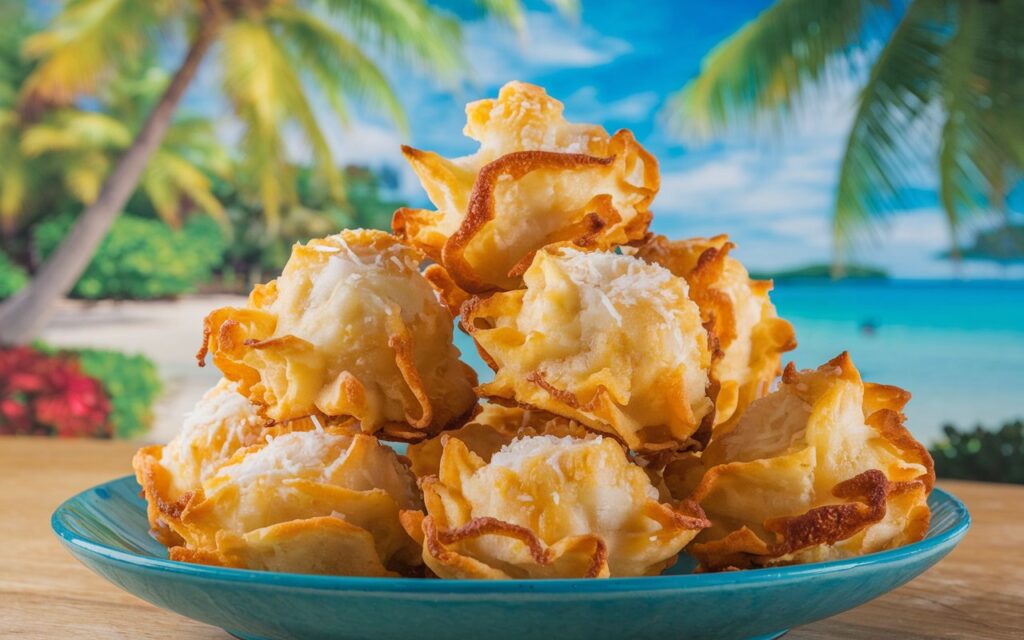
If you adore the chewy texture of coconut-based treats, few pastries deliver that more directly than Coconut Macaroons. Picture a petite mound of shredded coconut, held together by a sweet, lightly crisp exterior, unveiling a moist, chewy center. Often dipped or drizzled in chocolate, these confections harness coconut’s tropical essence without requiring complicated techniques or extended prep time. The result: a truly blissful bite that exudes coconut fragrance, perfect for fans of coconut-forward sweets or those seeking an alternative to classic cookies.
My own path to coconut macaroons arose from a desire to highlight coconut as the star ingredient in a simple treat—something beyond pies or cakes. The minimal ingredient list (coconut, egg whites, sugar, plus any flavor boosters) appealed to me, suggesting an easy homemade sweet that still tasted bakery-worthy. Over time, I found small tweaks—like adding a dash of salt or a bit of condensed milk for a different binding approach—led to interesting texture and flavor changes. Now, macaroons are my go-to for potlucks or quick giftable treats: they keep well, they’re gluten-free by nature (if you watch for cross-contamination), and that burst of coconut always pleases.
In this guide, we’ll explore how to craft Coconut Macaroons that deliver a satisfying chew, a sweet tropical taste, and optional chocolate finishing touches. Whether you’re a coconut fanatic or simply want a fuss-free cookie-style treat that’s surprisingly elegant, these macaroons provide a bite of paradise in each morsel.
Section 1: Why Coconut Macaroons Charm

- Simple Ingredient List
Many recipes revolve around coconut, egg whites, sugar, and perhaps condensed milk or sweetened coconut. This keeps them straightforward and quick. - Irresistible Chewy Middle
The lightly crisp exterior transitions to a moist, chewy core—a distinct contrast that appeals to lovers of texture. - Chocolate Enhancements
Dip or drizzle them in melted chocolate, forging a sweet, candy-like treat. This also helps offset the coconut’s natural sweetness. - Flexible & Diet-Friendly
Naturally flourless if you’re mindful of coconut brand cross-contamination. Also easy to adapt sweetness, flavors, or shape.
Section 2: Ingredient Overview
Use this table for about 2 dozen macaroons:
| Ingredient | Quantity | Notes |
|---|---|---|
| Shredded Coconut (sweetened or unsweetened) | ~3–4 cups | If using unsweetened, adjust sugar. Fine shred yields a denser texture |
| Egg Whites | 3 large | Help bind the coconut together |
| Granulated Sugar (or condensed milk variant) | ~½ cup | More or less sugar depending on coconut sweetness or if you skip condensed milk |
| Vanilla Extract | 1 tsp | Optional for flavor depth |
| Pinch Salt | ~¼ tsp | Balances sweetness and accentuates coconut flavor |
| Optional Variation (Sweetened Condensed Milk) | ~½ cup (in some recipes) | Replaces sugar & some egg white binder, yields moister macaroons |
| Optional Chocolate (for dipping) | ~6 oz (170 g) semisweet or dark chocolate | Melted for finishing if desired |
(Note: There are multiple approaches—some rely on sweetened condensed milk, some on a ratio of egg white to sugar. We’ll present a typical egg-white-based method with an optional mention of condensed milk adaptation.)
Section 3: Step-by-Step Recipe (Approx. 30–40 Minutes)
Classic Egg White Method
- Preheat & Prep
- Preheat your oven to 325°F (160°C). Line a baking sheet with parchment paper or a silicone mat. If you want crisp edges, no greasing is typically needed beyond that.
- Combine Dry Ingredients
- In a mixing bowl, stir together ~3 cups shredded coconut (sweetened or unsweetened), ½ cup sugar, and a pinch of salt. If using unsweetened coconut, you might need closer to ¾ cup sugar, depending on your taste.
- For extra flavor, add 1 teaspoon vanilla extract or some almond extract. If you like a citrus note, add 1 teaspoon lemon or orange zest.
- Incorporate Egg Whites
- In a separate bowl, lightly whisk 3 egg whites until frothy (not stiff peaks). Pour them into the coconut-sugar mixture, mixing until the coconut is evenly moistened. The batter should cling together but not feel excessively wet.
- Shape Macaroons
- Using a small cookie scoop or tablespoon, mound the mixture onto the lined baking sheet, spacing them ~1 inch apart. Gently press or shape them into small domes or haystack-like forms. If too crumbly, add another egg white or bit of sugar syrup.
- Bake
- Bake for ~15–20 minutes, or until macaroons turn golden at the edges and lightly on top. Keep an eye near the end to avoid over-browning.
- Cool
- Remove the sheet from the oven. Let macaroons cool on the pan for ~5 minutes before transferring them to a rack. They firm up as they cool, so handle gently.
Optional Sweetened Condensed Milk Method
- Condensed Milk Mixture
- Replace egg whites and sugar with 1 can (14 oz) sweetened condensed milk. Mix with ~4 cups shredded coconut, 1 teaspoon vanilla, and a pinch of salt until fully combined.
- Scoop and bake similarly, adjusting time if needed. The result is slightly denser and sweeter.
Section 4: Optional Chocolate Dip
- Melt Chocolate
- Once macaroons cool fully, melt about 6 oz semisweet or dark chocolate in a double boiler or microwave, stirring until smooth.
- If you prefer a firmer set, add 1 teaspoon coconut oil or shortening to the chocolate, aiding a glossy finish.
- Dip or Drizzle
- Dip each macaroon’s base into the chocolate or drizzle lines across the top. Place them on parchment until chocolate sets—this can take 30–60 minutes at room temp or 15 minutes in the fridge.
Section 5: Tips for Chewy, Not Dry Macaroons
- Adjust Liquid Carefully
- If the mixture seems too dry, your coconut might be more dehydrated. Add a bit more egg white or a drizzle of condensed milk. If too wet, add extra coconut or let mixture sit to absorb.
- Bake at Moderate Heat
- 325°F (160°C) ensures the coconut gently toasts without scorching. Higher temps can brown the outsides too fast, leaving the interior undercooked or gummy.
- Choose Your Coconut Wisely
- Desiccated coconut yields a different texture than shredded. Sweetened shredded is more moist; unsweetened might require a bit more sugar or moisture to bind.
- Proper Cooling
- Let them rest on the sheet a few minutes. Macaroons often are fragile hot out of the oven but firm up once cooled.
Section 6: Flavor Variations
- Chocolate Coconut
- Stir 2 tablespoons cocoa powder into the mixture or fold mini chocolate chips. The macaroons turn into a cocoa-laced treat.
- Almond Joy–Inspired
- Insert a whole almond in the center before baking, then dip in chocolate. Mimics an Almond Joy candy vibe with coconut, chocolate, and almond.
- Lemon or Lime Zest
- Add 1 teaspoon citrus zest into the mixture for a bright, tropical note. Perfect if you enjoy tang offsetting coconut’s sweetness.
- Spiced Twist
- A pinch of cinnamon or cardamom can subtly shift the flavor profile, complementing coconut in an intriguing way.
Section 7: Serving Suggestions
- Cookie Trays: Macaroons stand out among typical cookies with their distinctive shape and coconut texture.
- Holiday Gifting: They hold shape and taste for days, making them a good choice for cookie swaps or holiday boxes.
- Dessert Platter: Pair them with fresh fruit or light sorbet, offsetting sweetness.
- Coffee or Tea: Their sweetness pairs elegantly with a hot beverage, balancing the coconut chew.
Section 8: FAQ – Coconut Macaroons
Q1: Are macaroons different from macarons?
A1: Yes, drastically. “Macarons” are the French almond-meringue sandwich cookies, while “macaroons” are these chewy coconut cookies. The spelling difference, though slight, represents entirely different treats.
Q2: Why are my macaroons too flat or spread out?
A2: Possibly too much moisture or sugar. Ensure coconut is not overly wet, adjust binding (add an extra tablespoon of flour or more coconut). Chilling the mixture briefly can help them hold shape.
Q3: Can I use fresh coconut?
A3: Fresh grated coconut might be too moist. If you do, drain or lightly toast it to remove excess moisture. Adjust sugar since fresh coconut isn’t sweetened.
Q4: How long do they keep?
A4: Store in an airtight container at room temp for up to a week. They freeze well for up to 2–3 months, though the texture may soften upon thawing.
Q5: Is it okay to skip egg whites if I use condensed milk?
A5: Yes, many condensed milk versions omit egg whites or only use 1. The condensed milk acts as the binder. The result is slightly denser but still chewy.
Conclusion

Combining minimal ingredients, quick assembly, and that iconic chewy interior, Coconut Macaroons stand as a testament to how simple can still be sensational. Each morsel highlights coconut’s natural sweetness and texture, with an optional chocolate finish pushing them into candy-like territory. Whether you crave a treat reminiscent of a tropical getaway or just want a distinctive addition to your cookie plate, these macaroons answer that call with warm, sweet delight.
Now that you’re primed with the method—whisking egg whites (or using condensed milk), adjusting moisture, and baking until lightly golden—why not whip up a batch to satisfy your sweet tooth? After tasting that first chewy bite, possibly dipped in chocolate or lightly toasted at the edges, come back to share your personal spin. Perhaps you infused them with citrus zest, sprinkled nuts, or found the perfect ratio of sweetened to unsweetened coconut. Your creativity might inspire other coconut enthusiasts to dive into the comforting world of homemade macaroons.