



Ever wondered if a vegetarian dish can rival the richness of butter chicken? Dal Makhani, a North Indian classic from Punjab, proves it can. This velvety curry combines whole black lentils (urad dal) and kidney beans (rajma), slow-simmered with butter, cream, and aromatic spices. In traditional restaurants, chefs cook Dal Makhani for 12–24 hours over a low flame to develop depth of flavor and silky texture. Our home-friendly version uses a pressure cooker to mimic that long simmer in just over an hour—retaining the signature creaminess while keeping hands-on time under 20 minutes. Each generous serving delivers around 13 grams of plant protein, 8 grams of fiber, and a comforting medley of complex carbohydrates and healthy fats, making it an ideal centerpiece for both weeknight dinners and festive feasts.
Ingredients List
| Ingredient | Amount | Substitutions & Notes |
|---|---|---|
| Whole black lentils (urad dal) | 1 cup (200 g) | Black turtle beans (same cooking time) |
| Kidney beans (rajma), soaked | ½ cup (100 g), overnight soaked | 1 15-oz can rinsed and drained |
| Water | 4 cups (960 ml) | Adjust for thicker or thinner consistency |
| Ghee or unsalted butter | 3 tbsp | Vegetable oil + 1 tbsp butter for balance |
| Cumin seeds | 1 tsp | Omit or use ground cumin (½ tsp) if seeds unavailable |
| Onion (finely chopped) | 1 medium (150 g) | Shallot for milder flavor |
| Garlic (minced) | 4 cloves | Garlic powder (½ tsp) |
| Fresh ginger (grated) | 1 tbsp | ½ tsp ground ginger |
| Tomato puree | 1 cup (240 ml) | 2 medium tomatoes, blended |
| Red chili powder | 1 tsp | Kashmiri chili powder for color without extra heat |
| Turmeric powder | ¼ tsp | |
| Garam masala | 1 tsp | Curry powder (1 tsp) |
| Kasuri methi (dried fenugreek leaves) | 1 tbsp | Crushed fresh fenugreek leaves (2 tbsp) |
| Heavy cream | ¼ cup (60 ml) | Coconut cream for dairy-free alternative |
| Salt | To taste | |
| Fresh cilantro (chopped) | 2 tbsp | Fresh mint or parsley |
| Lemon wedges | For serving |
Timing

- Soaking Beans: 8 hours (overnight)
- Pressure Cooking: 20 minutes + natural release (10 minutes)
- Hands-On Prep & Tadka (seasoning): 15 minutes
- Total Time (including soak): ~9 hours 45 minutes (active ~45 minutes)
Using a pressure cooker compresses the traditional 12–24 hour simmer into a single, flavorful burst of cooking—making Dal Makhani weeknight-friendly without sacrificing authenticity.
Step-by-Step Instructions
Step 1: Prepare and Cook the Lentils
Rinse soaked urad dal and rajma under cold water. In a pressure cooker, combine lentils, beans, 4 cups water, and ¼ teaspoon turmeric. Seal and cook at high pressure for 20 minutes, then allow a 10-minute natural release. Open, stir, and lightly mash a few beans against the pot wall to thicken.
Tip: Mashing some lentils helps create a silkier texture reminiscent of restaurant Dal Makhani.
Step 2: Make the Tadka (Seasoning Base)
While lentils cook, heat 3 tablespoons ghee in a large skillet over medium heat. Add cumin seeds and let them sizzle for 15 seconds until fragrant. Stir in chopped onion and sauté until translucent (3–4 minutes). Add minced garlic and grated ginger; cook 1 minute.
Tip: Don’t let garlic brown—it can turn bitter quickly.
Step 3: Build the Curry
To the onion-garlic mix, add tomato puree, chili powder, and remaining turmeric. Simmer 4 minutes, stirring, until the oil separates slightly. Pour this tomato-spice mixture into the pressure-cooked dal. Stir well, adjust consistency with extra water if needed, and simmer gently for 8–10 minutes, stirring occasionally.
Data Insight: A brief simmer after pressure cooking deepens flavor by allowing spices to infuse the lentils fully.
Step 4: Finish with Cream and Fenugreek
Sprinkle garam masala and crushed kasuri methi over the simmering dal. Stir in heavy cream and cook 2–3 more minutes without boiling. Add salt to taste and gently stir until the dal turns a luscious, glossy color.
Tip: Adding cream off-heat prevents splitting and preserves the velvety finish.
Step 5: Garnish and Serve

Transfer Dal Makhani to a warmed serving bowl. Drizzle a swirl of extra cream on top and sprinkle chopped cilantro. Serve immediately with lemon wedges on the side.
Serving Suggestion: Squeeze a bit of lemon over the dal just before eating to brighten flavors and cut richness.
Nutritional Information (per 1-cup serving; yields ~6 servings)
| Nutrient | Amount | % Daily Value* |
|---|---|---|
| Calories | 280 kcal | 14% |
| Protein | 13 g | 26% |
| Total Fat | 14 g | 18% |
| – Saturated Fat | 7 g | 35% |
| Carbohydrates | 28 g | 9% |
| – Fiber | 8 g | 32% |
| – Sugars | 3 g | — |
| Sodium | 420 mg | 18% |
| Iron | 3 mg (17%) | — |
| Calcium | 60 mg (6%) | — |
Percent Daily Values are based on a 2,000-calorie diet.
Healthier Alternatives for the Recipe
- Lower Fat: Reduce ghee to 1 tablespoon and use light cream (or evaporated milk) to cut saturated fat by up to 40%.
- Dairy-Free: Replace cream with coconut milk for a subtle tropical note and keep ghee for authentic flavor, or use all-vegetable oil.
- Higher Protein: Stir in ½ cup cooked green moong dal or split peas during simmer to boost protein and fiber further.
- Spice Variation: Add a pinch of smoked paprika or chipotle powder for a smoky twist without extra chili heat.
- Whole-Grain Side: Serve over brown rice or quinoa instead of naan or white rice for extra fiber and nutrients.
Serving Suggestions
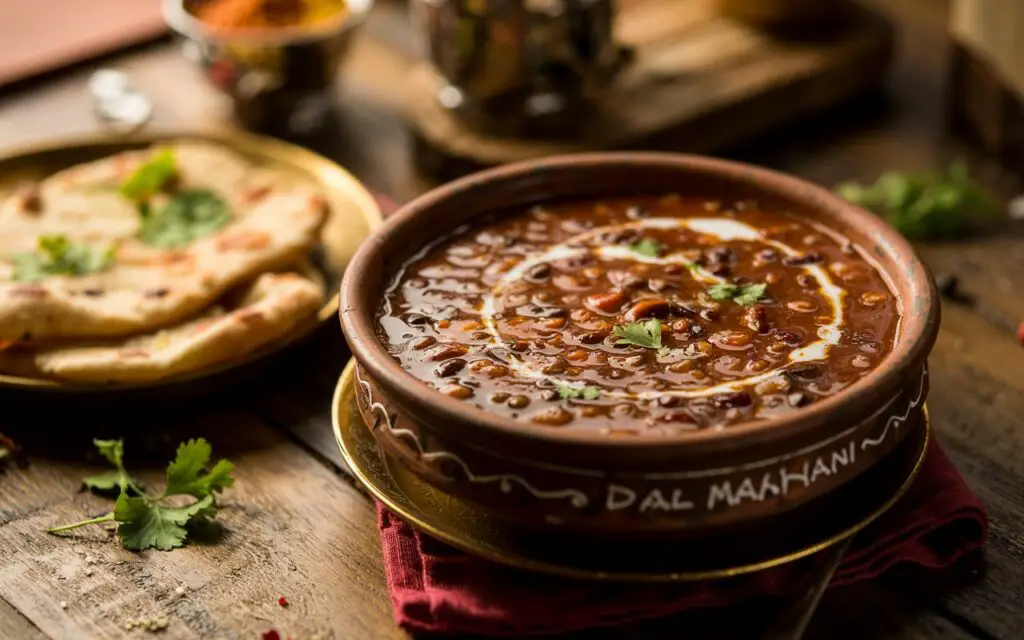
- Classic Combo: Pair Dal Makhani with garlic naan or steamed basmati rice and a side of cucumber raita for cooling contrast.
- Vegetable Medley: Serve alongside tandoori cauliflower or sautéed spinach for a balanced plate.
- Lunch Bowl: Build a bowl with Dal Makhani, greens, pickled onions, and avocado for a fusion meal.
- Party Dip: Offer Dal Makhani as a dip for toasted pita or vegetable crudités at gatherings.
- Wrap Filling: Use leftover dal as a hearty filling for wraps or burritos—top with fresh cilantro and yogurt.
Common Mistakes to Avoid
- Skipping the Natural Release: Quick-release flattens lentils and can make them mushy. Always allow a 10-minute natural release.
- Overcooking Spices: Burnt spices taste acrid—add powder spices after the onion has softened.
- Adding Cream Too Early: Boiling cream leads to separation; stir it in at the end off-heat.
- Neglecting Fenugreek: Kasuri methi lends the signature “makhani” aroma; don’t omit or substitute sparingly.
- Under-seasoning: Dal requires robust seasoning—taste and adjust salt and spices after simmering.
Storing Tips for the Recipe
- Refrigeration: Cool completely and store in an airtight container for up to 4 days. Reheat on low heat, adding a splash of water or cream to refresh texture.
- Freezing: Freeze portions in freezer-safe containers for up to 2 months; thaw overnight and reheat gently.
- Make-Ahead Prep: Cook dal base up to simmer stage 24 hours ahead, then finish with cream and fenugreek just before serving to maintain peak flavor.
- Reheat Without Drying: Warm covered on the stovetop over low heat—avoid microwaving, which can dry out creamy dishes.
Conclusion
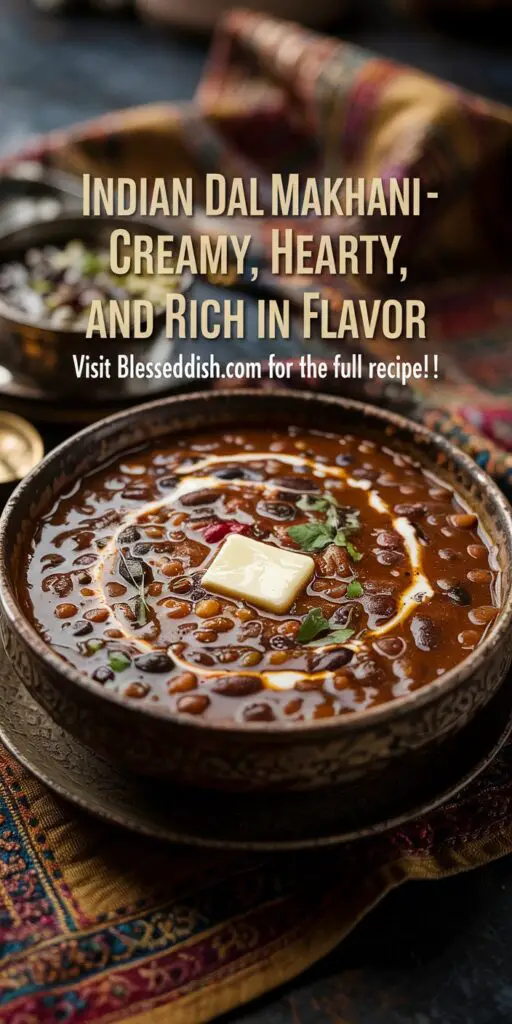
With just a moderate time commitment and everyday ingredients, you can recreate the depth and creaminess of restaurant-style Dal Makhani at home. The pressure cooker technique captures the long-simmered character of this Punjabi favorite, while a final flourish of cream and fenugreek leaves you with a luxurious, protein-packed curry. Whether you’re feeding a crowd or seeking a cozy solo meal, Dal Makhani delivers warmth, comfort, and a burst of aromatic spices. Give this recipe a try, share your tweaks in the comments, and don’t forget to subscribe for more authentic, data-driven recipes from around the world!
FAQs
Q1: Can I use canned lentils and beans instead of dried?
Yes—rinse 2 cans of lentils and 1 can of kidney beans, then skip pressure cooking. Simmer with spices and tomatoes for 15 minutes before finishing.
Q2: How can I make Dal Makhani less rich?
Reduce ghee to 1 tbsp and replace heavy cream with plain yogurt stirred in off-heat—this cuts fat while retaining creaminess.
Q3: Why is my dal gritty?
Insufficient cooking or soaking can leave lentils undercooked. Ensure you soak beans overnight and pressure cook the dal until very tender.
Q4: What can I serve instead of cream?
Coconut cream or cashew cream (blend soaked cashews with water) offers a plant-based alternative and adds a slight sweetness.
Q5: Is Dal Makhani gluten-free?
Yes—the curry itself is gluten-free. Serve with gluten-free flatbread or rice to keep the entire meal gluten-free.