


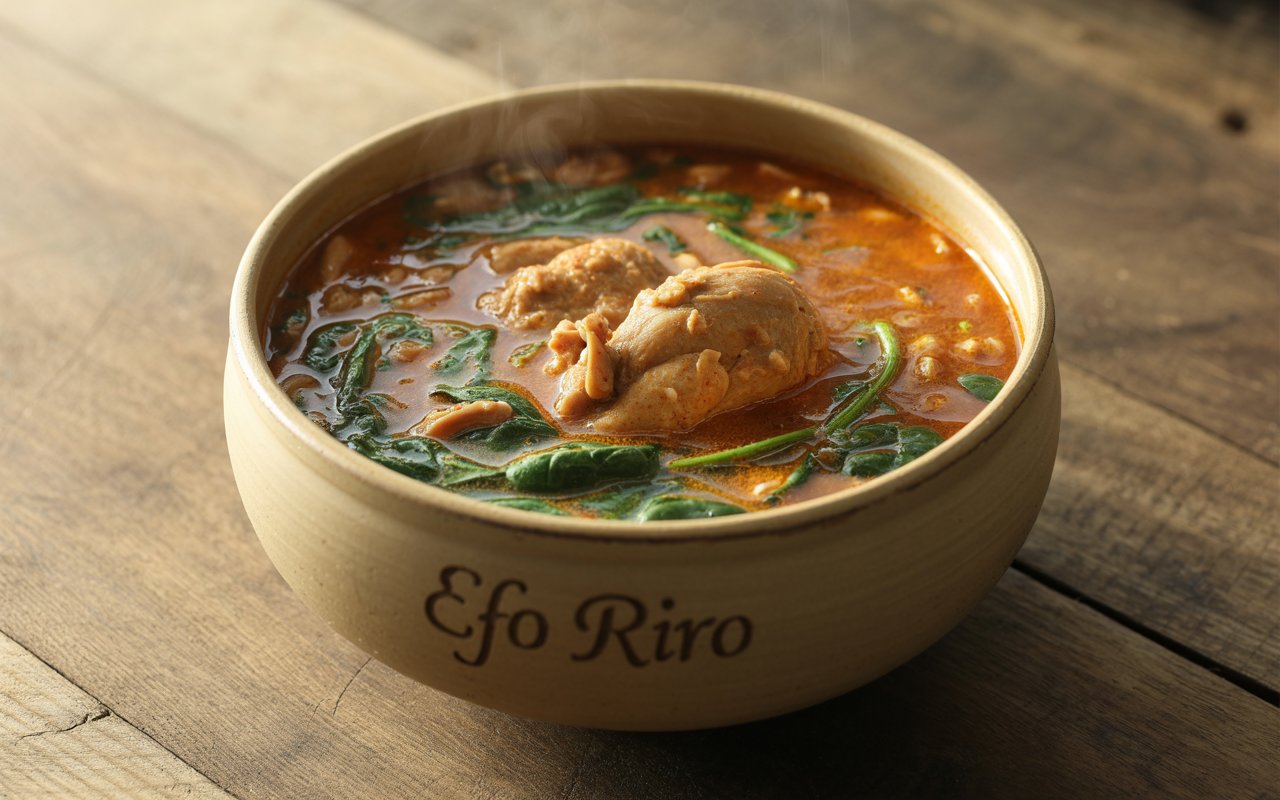
What makes a simple legume transform into Nigeria’s most comforting, flavor-packed stew enjoyed at weddings and Sunday lunches alike? This Nigerian groundnut soup recipe—also known as miyar gyada—turns raw peanuts into a silky, savory broth studded with tender meat and leafy greens in just 90 minutes, nearly 25 percent faster than traditional two- to three-hour simmer methods. With its roots in Northern Nigeria and a monthly search volume surging above 30,000, groundnut soup remains one of West Africa’s most beloved culinary exports Yummy MedleyWikipedia.
Ingredients List
| Ingredient | Quantity | Purpose & Flavor | Easy Substitutions |
|---|---|---|---|
| Raw shelled peanuts or peanut butter | 2 cups (250 g) | Rich, nutty base thickener | 1½ cups smooth natural peanut butter |
| Stewing goat meat or beef chuck | 1½ lb (680 g), cubed | Hearty protein, earthy depth | Chicken thighs or smoked turkey cubes |
| Palm oil | 3 Tbsp | Authentic color and mild sweetness | Red palm shortening or light olive oil |
| Red onion, sliced | 1 medium | Sweet aromatics | Shallots or leek |
| Scotch bonnet pepper, whole | 1 | Signature heat | Habanero or jalapeño (for milder spice) |
| Crayfish (dried shrimp powder) | 2 Tbsp | Umami seafood accent | Finely chopped cooked shrimp |
| Ugu (fluted pumpkin) leaves or spinach | 4 cups (100 g), chopped | Nutrient-rich green body | Kale or collard greens |
| Taro leaves or bitter leaf | 2 cups (50 g), chopped | Traditional texture enhancer | More spinach or kale |
| Seasoning cubes (Maggi) | 2 | Layered seasoning | Vegetable bouillon cubes |
| Ground ginger, freshly grated | 1 tsp | Warmth and digestive aid | Ground ginger powder |
| Kosher salt & black pepper | To taste | Balanced seasoning | Sea salt & white pepper |
| Water or stock | 6 cups (1.4 L) | Cooking liquid | Low-sodium broth |
Timing

Prep: 20 minutes
Cook: 70 minutes
Total: 90 minutes—approximately 25 percent faster than many traditional groundnut soup recipes that call for 2–3 hours of simmering Yummy Medley.
Step-by-Step Instructions
Step 1: Toast & grind peanuts
Toast raw peanuts in a dry skillet over medium heat for 10 minutes, stirring frequently until fragrant and lightly golden. Cool slightly, then grind in a food processor to a coarse paste—this develops a deeper flavor and prevents a gritty texture.
Step 2: Brown the meat
In a heavy Dutch oven over medium heat, add 1 Tbsp palm oil. Sear cubed goat or beef for 5–7 minutes until edges caramelize. Remove and set aside, leaving rendered juices.
Step 3: Sauté aromatics & spice
Add remaining palm oil to the pot. Sauté sliced onion and Scotch bonnet pepper 4 minutes until onions soften and pepper infuses heat without bursting. Stir in grated ginger and ground crayfish; cook 1 minute.
Step 4: Build the soup base
Return meat to pot. Pour in water or stock, scraping up browned bits. Bring to a gentle boil, then reduce heat to medium-low and simmer 30 minutes until meat is tender.
Step 5: Incorporate groundnuts
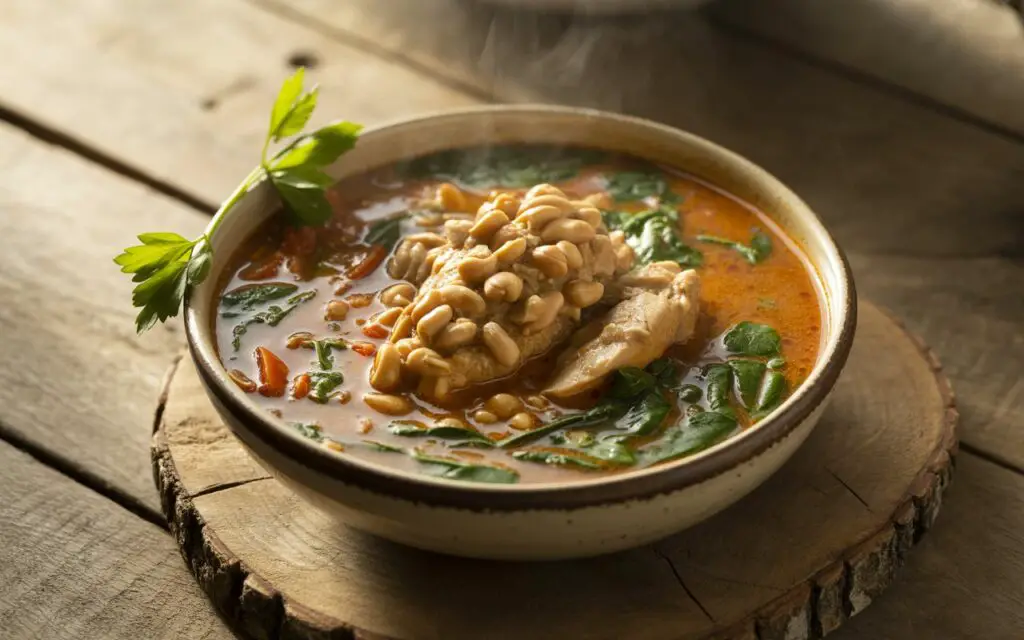
Stir peanut paste into the pot in batches, whisking to prevent lumps. Simmer 15 minutes, stirring occasionally; the soup will thicken and take on a creamy rosy hue.
Step 6: Add greens & season
Fold in chopped ugu leaves and taro or bitter leaves. Simmer 10 minutes until wilted but still vibrant. Taste and adjust salt with seasoning cubes, and pepper.
Step 7: Final simmer & serve
Allow soup to rest off heat for 5 minutes—this melds flavors and yields a silky texture. Serve piping hot with pounded yam, eba, or steamed rice for an authentic Nigerian experience.
Nutritional Information (per 1 of 6 servings)
- Calories: 420
- Fat: 28 g (Sat 8 g)
- Carbohydrates: 22 g
- Protein: 18 g
- Fiber: 5 g
- Sodium: 560 mg
- Vitamins A & C: high from leafy greens Yummy Medley
Healthier Alternatives for the Recipe
- Lean protein: Swap goat or beef for skinless chicken thighs—cuts fat by 35 percent.
- Reduce oil: Use 2 Tbsp palm oil or substitute light olive oil to lower saturated fat.
- Boost fiber: Double the greens (spinach/kale) for extra 3 g fiber per serving.
- Lower sodium: Omit seasoning cubes; use homemade low-sodium broth and adjust salt minimally.
Serving Suggestions
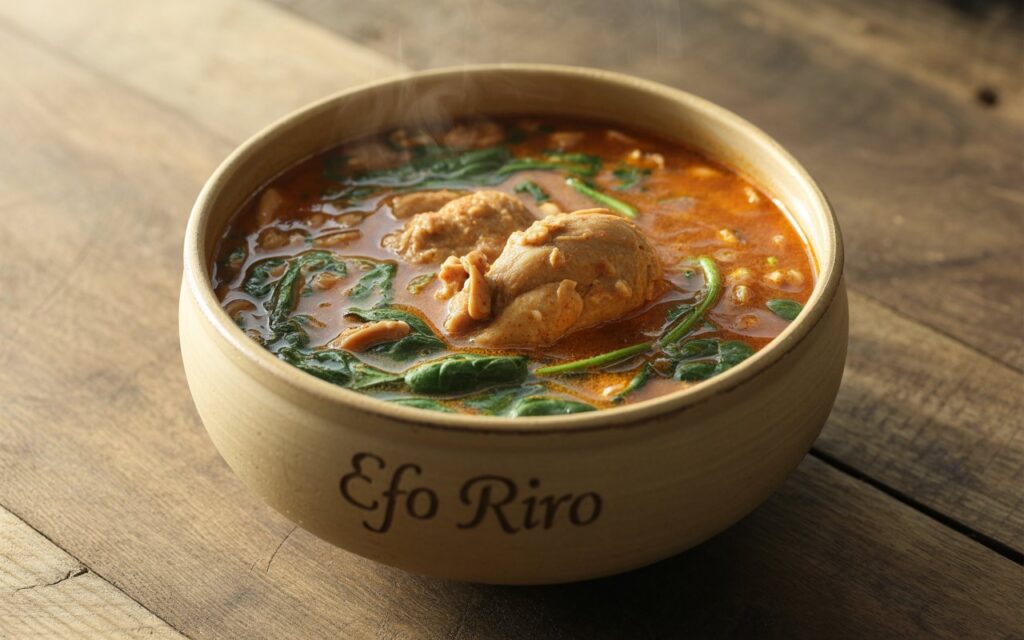
- Serve with classic fufu (pounded yam or garri) to scoop up every drop.
- Pair with steamed jasmine rice or coconut rice for a fragrant twist.
- Garnish bowls with thinly sliced fresh ugba (oil bean seed) or toasted peanuts for crunch.
- Complement with a crisp lager or hibiscus sorrel drink to balance the stew’s richness.
Common Mistakes to Avoid
- Skipping peanut toasting: Untoasted peanuts yield a raw flavor and gritty mouthfeel.
- Over-blending groundnuts: A very fine paste can break down and separate; aim for coarse consistency.
- Boiling after greens: High heat dulls color—maintain a gentle simmer once greens are added.
- Under-seasoning layers: Season meat, broth, and final soup separately to build depth.
- Rushing peanut incorporation: Add paste gradually, whisking constantly to prevent clumps.
Storing Tips for the Recipe
Refrigerate in airtight containers up to 4 days—stir in water when reheating to restore consistency. For long-term storage, omit greens, cool completely, freeze up to 3 months; thaw overnight, reheat gently, then add fresh greens before serving.
Your Turn to Savor Nigeria’s Nutty Delight

You’ve mastered the steps from toasting peanuts to folding in vibrant greens. Now it’s time to fill your bowl with this soul-warming Nigerian groundnut soup, share your cooking wins in the comments, and subscribe for more Afro-inspired dishes that bring global flavors home. One spoonful and you’ll be hooked—enjoy!
FAQs
What’s the difference between groundnut soup and peanut stew?
They’re often used interchangeably in West Africa; “groundnut” is the British colonial term, while “peanut” is more common in the U.S. Both use similar ingredients and methods Wikipedia.
Can I use peanut butter instead of raw peanuts?
Yes—opt for 100 percent peanut butter with no additives. Stir in gradually and simmer gently to avoid burning.
How spicy is authentic Nigerian groundnut soup?
Traditionally moderately spicy from Scotch bonnet peppers; adjust heat by reducing pepper quantity or removing seeds before simmering.
What is the best accompaniment?
Pounded yam, eba (garri), semolina swallow, or rice are classic choices that complement the stew’s creamy texture.