



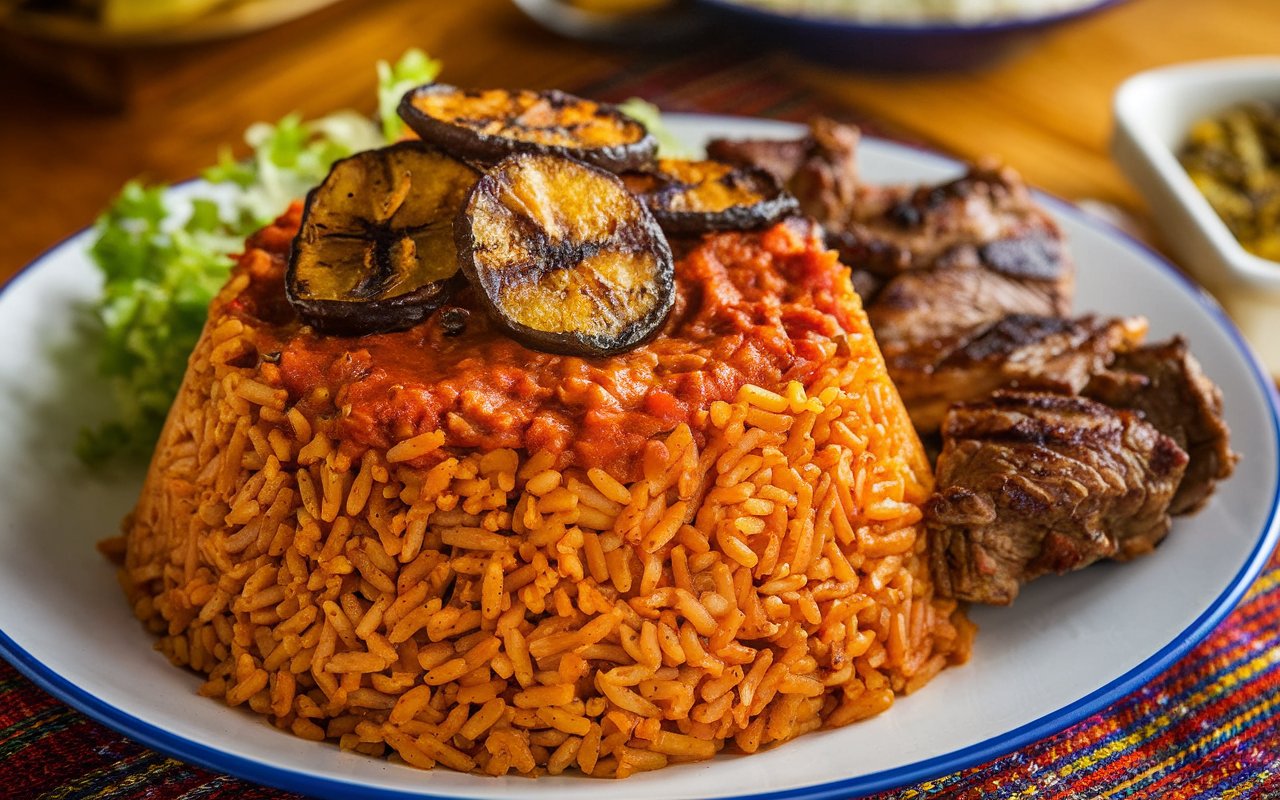
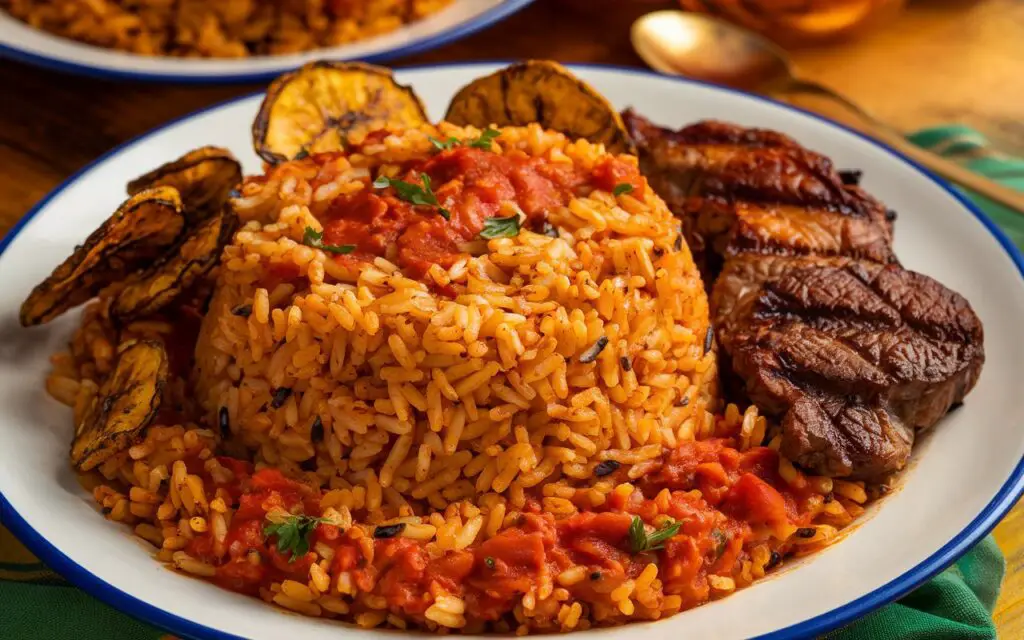
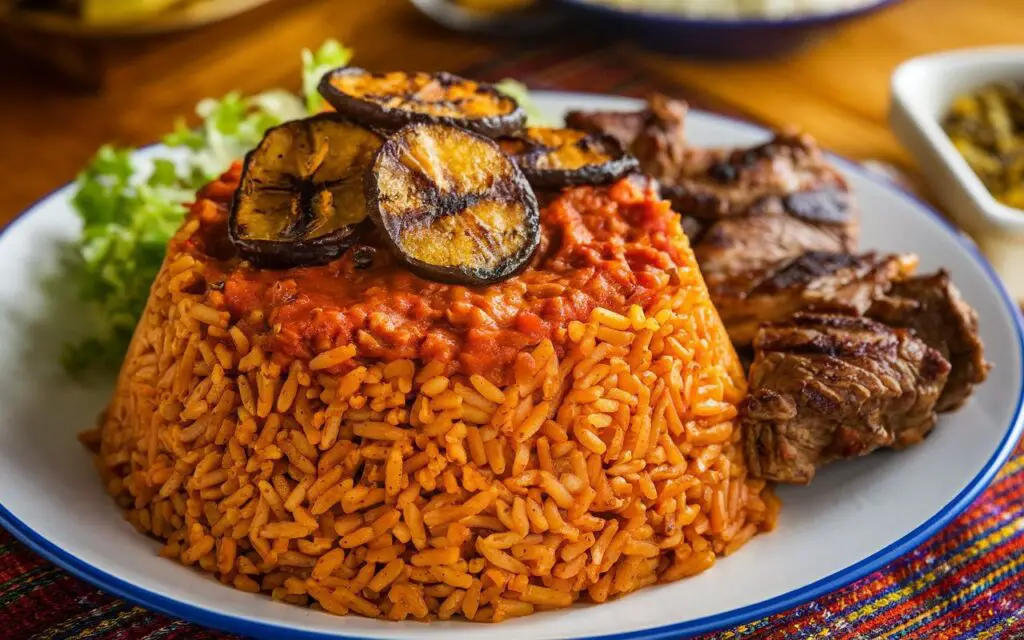
When pondering West African cuisine, few dishes garner as much passion or pride as Jollof Rice. Particularly in Nigeria, Jollof stands as a mainstay of gatherings and daily meals alike, uniting long-grain rice with a spicy tomato-based sauce. This staple bursts with color and flavor—starchy grains tinted orange-red from tomatoes and peppers, complemented by onions, chili, and a medley of seasonings that create a distinctive, addictive taste. Eager diners anticipate the bottom “party rice,” slightly smoky from the pot’s char—a sign of a well-cooked Jollof.
My initial immersion into the debate-laden world of Jollof happened via a Nigerian friend, who insisted her mother’s recipe was superior. Indeed, each West African country defends its variation, but the Nigerian style emphasizes a rich tomato-pepper base, sometimes featuring scotch bonnet peppers for a fiery kick. Over time, I discovered the technique behind layering flavors: blending a pepper-tomato purée, parboiling or lightly pre-cooking rice, and slow simmering everything to let the rice absorb the sauce. Now, Nigerian Jollof Rice is my go-to when craving a robust, one-pot meal that pairs seamlessly with proteins like chicken or fish. Yet it also shines as a standalone comfort dish with a crisp salad or fried plantains.
In this guide, we’ll detail how to create Nigerian Jollof Rice—from crafting the pepper-tomato purée and building the spiced base, to cooking the rice slowly until each grain carries that trademark tangy, smoky essence. Whether you’re new to West African cuisine or simply love discovering new rice dishes, get ready for a pot bursting with color, aroma, and an authenticity that unites taste buds around the globe.

Why Nigerian Jollof Rice Enthralls
- One-Pot Wonder
Minimal cleanup, maximum flavor. The entire cooking process happens in a single pot, layering in the sauce, rice, and spices for a unified taste. - Heat & Depth
Scotch bonnet peppers or other chilis impart a signature spicy note, but the dish also balances sweetness from red bell peppers. Underlying aromas of thyme, curry powder, or bay leaves offer complexity. - Highly Debated
Jollof is beloved across West Africa, with each country (Nigeria, Ghana, Senegal, etc.) championing its version. The Nigerian style typically uses long-grain parboiled rice and a richly flavored tomato-pepper base. - Flexible & Filling
This dish pairs well with grilled chicken, fried plantains, salad, or can stand alone. Leftovers frequently taste better the next day, as the flavors meld further.
Ingredient Overview
Serves ~6–8:
| Ingredient | Quantity | Notes |
|---|---|---|
| Long-Grain Rice (parboiled or standard) | ~3 cups | Nigerian style often uses parboiled long-grain. You can adapt with Jasmine or basmati |
| Fresh Tomatoes | ~4–5 medium (ripe) | For the tomato-pepper blend |
| Red Bell Peppers | 2 large | Provides color, sweetness |
| Scotch Bonnet Pepper (or habanero, optional) | 1–2, seeded or not depending on heat preference | Adjust for spiciness |
| Onion | 1–2, divided (some for sauce, some for sauté) | Typically half in blend, half in pot |
| Tomato Paste | ~2–3 tbsp | Intensifies color and flavor |
| Vegetable or Chicken Stock | ~3–4 cups | Or water with bouillon, controlling salt carefully |
| Oil (vegetable, canola) | ~½ cup total | Some for blending peppers if needed, plus for frying |
| Seasonings (curry powder, thyme, bay leaves, salt, black pepper) | Varied amounts (1–2 tsp curry, 1 tsp thyme, 2 bay leaves) | Typical Nigerian flavor base |
| Garlic & Ginger (optional) | 1–2 cloves garlic, 1 inch ginger piece (for sauce) | Additional aromatic, many add them for complexity |
| Optional Carrots or Peas | ~1 cup diced (for color) | Some folks add veggies to jollof, though purists might skip |
| Butter (optional) | 1–2 tbsp | Some finish the dish with a bit of butter for extra richness |
(Note: The ratio of pepper to tomato can vary. Some use more peppers if they want sweetness or color. The scotch bonnet is key for authentic heat, but a mild version might skip it or replace with a gentler chili.)
Step-by-Step Recipe (Approx. 60–90 Minutes)
- Rinse & Soak or Parboil Rice
- If using parboiled rice, you can skip a full soak. Otherwise, rinse regular long-grain rice under cold water until water runs mostly clear. Soak ~15 minutes, then drain. Some prefer parboiling the rice: boiling it partially for ~5–7 minutes, then draining. Either approach readies the grains for absorbing sauce.
- Blend Pepper-Tomato Mixture
- In a blender or food processor, combine 4–5 tomatoes, 2 red bell peppers (seeded), 1 scotch bonnet (if you want it very spicy, keep seeds; mild approach, remove seeds), half an onion, optionally garlic and ginger if you like. Blend until smooth. If thick, add a little water or stock to help blend.
- Sauté Base
- In a large, heavy-bottomed pot, heat ~¼ cup oil over medium. Dice the remaining onion. Sauté onion ~3–4 minutes until translucent. Stir in 2–3 tablespoons tomato paste, cooking ~1 minute to remove raw taste.
- Add Pepper-Tomato Blend & Seasoning
- Pour the blended mix into the pot. Lower heat to medium-low, let it simmer ~10–15 minutes, stirring occasionally. This step intensifies flavor and reduces excess water. Season with 1–2 teaspoons curry powder, 1 teaspoon dried thyme, bay leaves, salt, and black pepper. The sauce should be bold and slightly thick.
- Incorporate Rice
- Stir in the drained or parboiled rice, ensuring each grain gets coated in sauce. If you plan to add optional diced carrots or peas, now is the time. Mix well. The sauce-to-rice ratio should be such that the rice is well covered but not drowning.
- Add Stock & Adjust
- Pour in ~3 cups stock or enough to submerge the rice-sauce mixture by about ½ inch. If you used parboiled rice, you may need less liquid. Stir gently. Taste the liquid—should be highly seasoned but not overly salty.
- Simmer & Cover
- Increase heat to bring the pot to a gentle boil. Once boiling, reduce to low, cover with a tight-fitting lid or foil. Cook ~20–30 minutes or until rice absorbs liquid and is tender. Check occasionally for dryness; if needed, drizzle a bit more stock or water. Avoid over-stirring, as you want the bottom layer to develop that light smoky char some call the “party jollof crust.”
- Fluff & Finish
- Once rice is cooked, turn off heat. If you like a slight char, let it rest a bit to develop a gentle crust at the bottom. Some swirl in a bit of butter for a glossy finish. Remove bay leaves. Taste test—adjust salt or pepper.
(Note: The cooking time can vary by rice type. Parboiled might require a different approach. Traditional long-grain often takes ~30 minutes covered. The scotch bonnet’s heat can intensify as it cooks in the pot, so be cautious if you’re spice-sensitive.)
Flavor Variations
- Garnish with Fried Onions or Tomatoes
- Some Jollof variations include onion rings or tomato slices on top for additional flavor and color.
- Protein Integration
- You can add browned chicken pieces or shrimp directly into the pot near the final stage, letting them cook with the rice. This transforms Jollof into a one-pot protein-and-rice dish.
- Ghanaian or Senegalese Twists
- While each region’s Jollof is unique, you could incorporate local spices or different peppers if you want to explore. Nigeria’s style uses the pepper-tomato blend as a hallmark, but feel free to glean from neighbors.
- Vegetable Boost
- Stir in chopped spinach or kale near the end for a nutritious, green infusion. The dish remains bright and cohesive.
Serving & Storage
- Presentation
- Serve Jollof in a broad platter, garnished with fresh tomato slices or onion rings for a pop of color. Some add a final drizzle of oil for sheen.
- Accompaniments
- Common sides include fried plantains (dodo), coleslaw, grilled/fried chicken, or moi moi (bean pudding). A simple salad can also offset the spiciness.
- Leftovers
- Reheat in microwave or stovetop with a splash of water or stock. Some swear leftover Jollof tastes even better as the flavors deepen.
- Freezer
- Jollof can freeze decently for ~1 month. Thaw gently, reheat with moisture to prevent dryness. The texture might be a bit softer, but the taste remains robust.
Ensuring Optimal Taste
- Right Rice
- Long-grain or parboiled is standard, delivering distinct grains. Short grain can get sticky. Overly starchy or certain types might not produce the airy, separate grains that define Jollof.
- Pepper-to-Tomato Ratio
- The bright red hue typically stems from bell peppers, tomatoes, and paste. If you want deeper color, use a bit more paste. If you prefer a milder tomato essence, keep paste minimal.
- Control Heat
- Scotch bonnet peppers are potent. Test with half a pepper if you’re uncertain. For a mild version, rely on red bell peppers for flavor, skipping scotch bonnet or using a minimal amount.
- Salt & Season
- Because the sauce heavily flavors the rice, seasoning must be correct. If using salted stock or bouillon, watch for oversalting. Taste sauce before adding rice.
FAQ – Nigerian Jollof Rice
Q1: Is palm oil used in Jollof?
A1: Typically, Jollof is made with vegetable or canola oil. Palm oil is common in some other West African dishes but not the standard for Nigerian Jollof. You can experiment if you like the flavor, but the color and taste differ.
Q2: How do I get the “party jollof” smoky taste?
A2: Often from slight charring at the pot’s bottom as the liquid reduces. Using a heavy-bottomed pot and cooking low can encourage that subtle smokiness. Just avoid outright burning.
Q3: Could I skip the parboil step for the rice?
A3: Many Nigerian cooks do parboil. Some use a direct absorption method, carefully controlling liquid. If skipping parboil, be mindful of stirring and liquid measurement to ensure evenly cooked rice.
Q4: How can I lighten the dish for less oil?
A4: Use minimal oil when frying onions and sauce. Adjust the ratio of sauce to rice to reduce heaviness. The flavor remains, though the mouthfeel may be slightly different.
Q5: Do I always add peas or carrots?
A5: Some versions incorporate them for color. However, many prefer a no-veggie approach focusing on the pepper-tomato flavor. It’s purely a personal or regional preference.
Conclusion
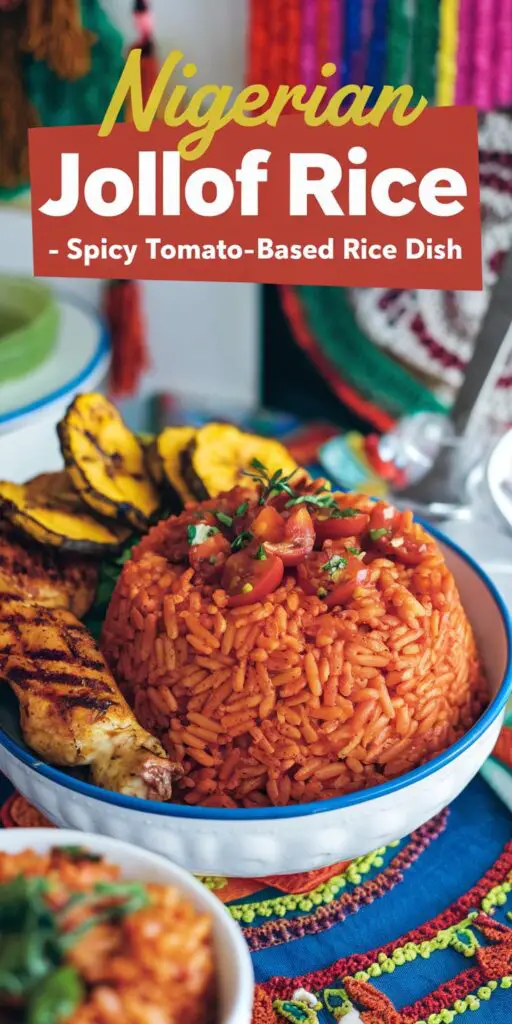
Uniting long-grain rice with a tomato-pepper blend, plus scotch bonnet’s heat, Nigerian Jollof Rice stands as a beloved West African masterpiece. Each spoonful vibrates with vibrant color, sweet tang from red peppers, and the subtle burn of chili—transformed by a gentle simmer that infuses each grain. Whether for a festive occasion or a weeknight treat, Jollof fosters a sense of communal joy that resonates far beyond Nigeria’s borders.
Now that you’re equipped to craft a robust pepper-tomato sauce, properly handle the rice, and finalize with that signature “party jollof” flair, why not let it headline your next dinner? Once you relish that final, flavor-packed morsel—possibly served with fried plantains or coleslaw—return to share your personal approach. Did you experiment with extra spice, incorporate proteins, or garnish with a creative flourish? Your input might spark other food lovers to discover the spirited heart of West African cooking in their own kitchens.