



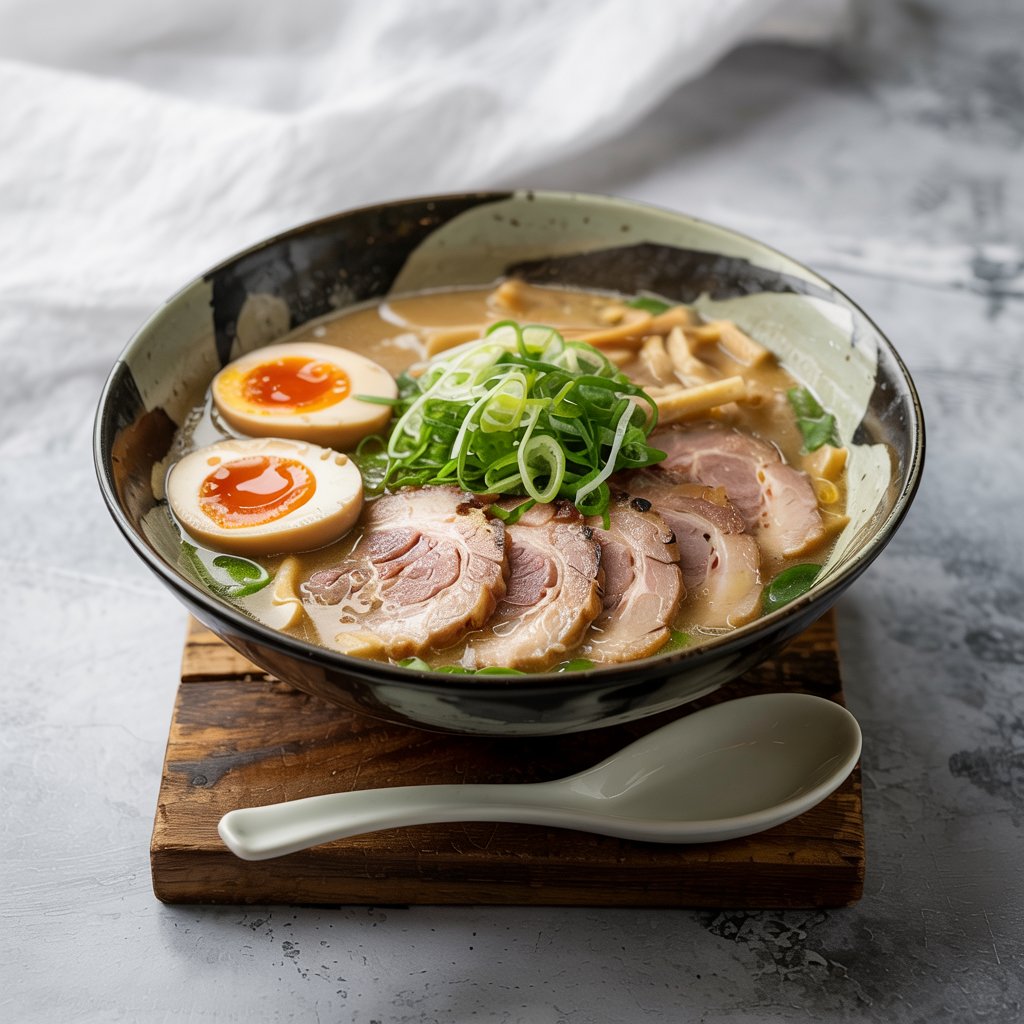
Imagine a steaming bowl of rich, velvety pork‑bone broth enveloping slurpy noodles, tender slices of melt-in-your-mouth chashu pork, and a perfectly soft‑boiled egg, all garnished with a scatter of fresh scallions. Japanese Tonkotsu Ramen is the epitome of comfort food—a dish that warms the soul and transports you straight to a bustling ramen shop in Japan. This hearty bowl of ramen is celebrated for its complex, deeply satisfying flavors, developed over hours of slow cooking, and its harmonious balance of textures. I still remember the first time I experienced authentic tonkotsu ramen: the robust aroma, the feel of the silky broth warming my hands, and the explosion of umami in every bite made it an unforgettable culinary adventure. Whether you’re craving a midday indulgence or a soothing dinner on a chilly evening, Japanese Tonkotsu Ramen delivers pure, unadulterated comfort in every spoonful.
The Inspiration Behind the Dish
My journey with Japanese tonkotsu ramen began during a trip to Fukuoka, a city famed for its ramen culture. Wandering the narrow, neon-lit streets lined with ramen stalls, I was captivated by the rich, milky broth that seemed to embody the heart and soul of the region. Traditional tonkotsu ramen is the result of hours of dedication—boiling pork bones until they break down and release collagen, creating a broth that is as creamy as it is flavorful. The inclusion of tender chashu pork, soft‑boiled eggs marinated to perfection, and an array of garnishes like bamboo shoots, mushrooms, and scallions further elevate this dish to a work of culinary art. This recipe is a modern adaptation that honors centuries of Japanese tradition while remaining accessible to home cooks. It’s a celebration of persistence, patience, and the belief that the best meals are the ones that comfort you from the inside out.
Ingredient Insights & Nutritional Harmony
Japanese Tonkotsu Ramen is renowned for its delicate balance of nutrients and flavors. The foundation of the dish—pork‑bone broth—is not just a flavorful liquid; it’s a nutritional powerhouse. Slow‑cooking pork bones releases collagen, amino acids, and minerals like calcium and magnesium, which not only contribute to the broth’s luscious texture but also offer health benefits for joints and skin. The noodles, traditionally made from wheat, provide a satisfying chew and serve as a perfect canvas for the broth’s richness. Tender chashu pork adds lean protein and a burst of umami, while soft‑boiled eggs contribute high‑quality protein and a silky texture that contrasts beautifully with the firm noodles. Fresh scallions, nori, and bean sprouts often accompany the dish, adding vitamins, antioxidants, and a light, crisp counterbalance to the heavy broth. Together, these ingredients ensure that each bowl is a well-rounded meal, delivering both comfort and a balanced array of macronutrients and micronutrients.

Key Ingredients & Their Role
- Pork Bones: The cornerstone of tonkotsu broth, pork bones are simmered for hours to extract collagen and marrow, resulting in a broth that is rich, creamy, and packed with umami.
- Chashu Pork: Slow‑braised and thinly sliced, this tender pork is both flavorful and succulent, adding a layer of savory complexity that enhances the overall dish.
- Tonkotsu Noodles: Traditionally made from wheat, these noodles have a firm texture that holds up beautifully in the hearty broth.
- Soft‑Boiled Eggs: Marinated to perfection, these eggs offer a contrasting texture to the broth and noodles, with creamy yolks that add an extra layer of richness.
- Aromatics (Garlic & Ginger): Used in the broth and marinade, they contribute warmth and depth to the flavors, creating a robust, soul‑warming base.
- Soy Sauce & Mirin: Integral to achieving a balanced seasoning, they add saltiness, sweetness, and complexity to the broth.
- Fresh Garnishes (Scallions, Nori, Bean Sprouts): Provide a vibrant burst of color and texture, along with vitamins and antioxidants that brighten the dish.
Ingredients Table
| Ingredient | Quantity | Purpose/Notes |
|---|---|---|
| Pork Bones (including trotters) | 4-5 pounds | Core component for a rich, collagen-packed tonkotsu broth |
| Water | 10-12 cups | Base for simmering the bones to extract flavor and nutrients |
| Garlic Cloves | 6-8 cloves, smashed | Infuses the broth with aromatic depth |
| Fresh Ginger | 2 inches, sliced | Adds warmth and subtle spice to the broth |
| Soy Sauce | 3-4 tablespoons | Balances the broth with saltiness and umami |
| Mirin | 2-3 tablespoons | Contributes a hint of sweetness and complexity |
| Chashu Pork (sliced) | 8-10 ounces, prepared and thinly sliced | Provides tender, melt‑in‑your‑mouth pork that enhances the overall flavor |
| Tonkotsu Ramen Noodles | 4 servings (fresh or dried) | The ideal wheat-based noodles for a firm, chewy texture |
| Soft‑Boiled Eggs | 4 large, marinated for enhanced flavor | Adds creaminess, high‑quality protein, and a luxurious texture |
| Scallions | 1/2 cup, thinly sliced | Garnish that adds brightness and a fresh, crisp flavor |
| Nori Sheets | 2-3 sheets, cut into strips | Imparts oceanic umami and a subtle crunch |
| Bean Sprouts | 1 cup | Offers a fresh, crisp contrast and adds nutritional value |
| Sesame Oil (optional) | 1 teaspoon | For drizzling over the dish to add a nutty aroma |
| Salt and Black Pepper | To taste | Essential seasonings to balance and enhance all other flavors |
Step-by-Step Recipe Instructions
- Prepare the Broth:
- Clean the Bones: Begin by blanching the pork bones. Place them in a large stockpot and cover with cold water. Bring the water to a rapid boil, then drain and rinse the bones under cold running water. This step removes impurities and helps to achieve a clearer, cleaner broth.
- Simmer the Bones: Return the cleaned bones to the stockpot and add 10-12 cups of fresh water. Add the smashed garlic cloves and sliced ginger. Bring the mixture to a vigorous boil, then reduce the heat to a gentle simmer. Let it simmer, partially covered, for at least 8-10 hours; the longer, the better, as this slow cooking process releases collagen and marrow, resulting in a luxuriously creamy broth. Periodically skim off any foam or impurities that rise to the surface.
- Season the Broth:
- After several hours of simmering, add 3-4 tablespoons of soy sauce and 2-3 tablespoons of mirin to the broth. Continue simmering for another 30 minutes to allow the flavors to meld. Taste and adjust the seasoning if necessary. The broth should have a harmonious balance of saltiness, sweetness, and umami.
- Prepare the Chashu Pork:
- While your broth is simmering, you can prepare the chashu pork if not already done. Roll a pork belly or shoulder into a tight log and secure it with kitchen twine. Sear the pork in a hot pan until browned on all sides, then transfer it to a slow cooker with a mixture of soy sauce, sake, sugar, garlic, and ginger. Cook on low for 3-4 hours until the pork is tender enough to slice paper-thin. Once done, let it cool and then slice thinly for topping.
- Cook the Ramen Noodles:
- Bring a large pot of water to a boil. Add the ramen noodles and cook according to the package instructions until al dente. Drain the noodles and rinse briefly under warm water to remove excess starch, then set aside. The noodles should maintain a firm, chewy texture as they will be immersed in the flavorful broth later.
- Prepare the Soft-Boiled Eggs:
- Bring a small pot of water to a boil, then carefully lower in 4 large eggs. Boil for 6-7 minutes for a slightly runny yolk, then transfer the eggs immediately to an ice bath to stop cooking. Once cooled, peel the eggs gently. For enhanced flavor, you can marinate the peeled eggs in a mixture of soy sauce, mirin, and a little water for an hour or two before serving.
- Assemble the Ramen Bowl:
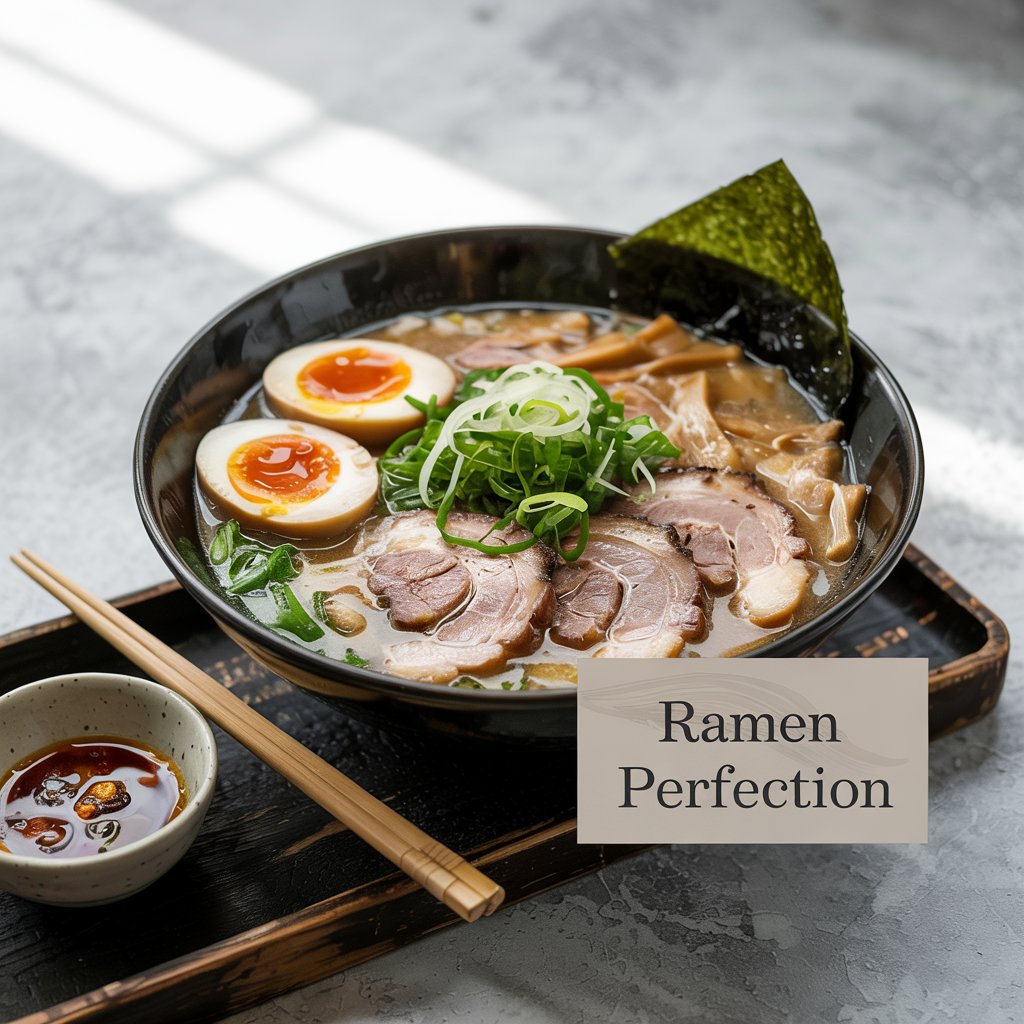
- Divide the cooked ramen noodles evenly among four large bowls. Ladle a generous amount of the steaming, creamy tonkotsu broth over the noodles. Arrange slices of chashu pork, a soft‑boiled egg (halved), and fresh garnishes like bean sprouts, sliced scallions, and strips of nori on top. Drizzle a small amount of sesame oil over each bowl and, if desired, add a dash of extra soy sauce for additional seasoning.
- Final Touches & Serving:
- Give your assembled bowl a final check for balance—a beautiful mix of creamy broth, chewy noodles, tender pork, and vibrant garnishes. Serve immediately while the broth is piping hot and the flavors are at their peak. Offer additional condiments on the side, such as chili oil or garlic paste, to customize the heat and depth of flavor to individual taste.
Presentation & Serving Suggestions
Present your Japanese Tonkotsu Ramen in deep, wide bowls that showcase the creamy, milky broth juxtaposed with the vibrant array of toppings. Arrange the chashu pork, soft‑boiled egg, and garnishes artfully for maximum visual impact. Pair the ramen with complementary side dishes such as a light, crisp seaweed salad, gyoza (Japanese dumplings), or a small bowl of pickled vegetables to add a refreshing contrast. A chilled glass of Japanese beer or sake pairs beautifully with this comforting yet dynamic dish.
Tips & Tricks for Maximum Flavor
- Slow and Steady:
The key to a truly rich tonkotsu broth is slow cooking. Patience is crucial—allow the bones to simmer for a long duration to fully extract flavors and gelatin. - Bone Selection:
Use a mix of pork bones, including trotters and marrow bones, to maximize collagen extraction. The trotters, in particular, contribute to the broth’s signature creaminess. - Skimming Regularly:
Skim off any foam or impurities that rise during the initial stages of simmering to ensure a cleaner, clearer broth. - Noodle Texture:
Do not overcook the ramen noodles; they should have a firm bite, as they will continue to absorb flavors once combined with the broth. - Egg Perfection:
Timing is everything when boiling eggs. For a slightly runny yolk, aim for a precise 6-7 minutes of boiling, followed by an immediate ice bath. - Chashu Variations:
Experiment with different cuts of pork for your chashu. Pork belly is traditional for its rich flavor, while pork shoulder can offer a leaner alternative without sacrificing tenderness. - Garnish Freshness:
Add delicate garnishes like fresh scallions and nori just before serving to preserve their brightness and crunch. These final touches enhance both the flavor and visual appeal of your ramen.
Frequently Asked Questions (FAQs)
Q: Can I prepare tonkotsu broth in a home kitchen without professional equipment?
A: Yes, while traditional tonkotsu broth requires long hours of simmering, you can achieve great results at home with a large stockpot or slow cooker. Some recipes even use a pressure cooker to reduce cooking time, though the texture may differ slightly.
Q: What can I do if my broth isn’t as creamy as I’d like?
A: The creaminess of tonkotsu broth relies on the breakdown of collagen from the pork bones. Ensure you use a mix of bones, including trotters, and simmer for at least 8-10 hours. If needed, you can also blend a small portion of the broth and return it to the pot to enhance the creamy consistency.
Q: How do I store leftover broth or assembled ramen?
A: Leftover broth can be refrigerated for up to 3 days or frozen for up to 2 months. When reheating, bring the broth to a simmer on the stove. It’s best to store the noodles and toppings separately, assembling the bowl just before serving to maintain texture and quality.
Q: Can I customize the toppings on my ramen?
A: Absolutely. Ramen is highly versatile. Feel free to add other toppings such as corn, mushrooms, bamboo shoots, or even a splash of chili oil for extra heat. Customize to suit your taste preference while retaining the core elements of tonkotsu ramen.
Q: Is it possible to make a pork-free version of tonkotsu ramen?
A: While traditional tonkotsu is made with pork bones, you can create a similar rich broth using alternative ingredients such as beef bones or a combination of vegetables and shiitake mushrooms for a vegetarian version. However, the flavor profile will be different from authentic Japanese tonkotsu broth.
Conclusion
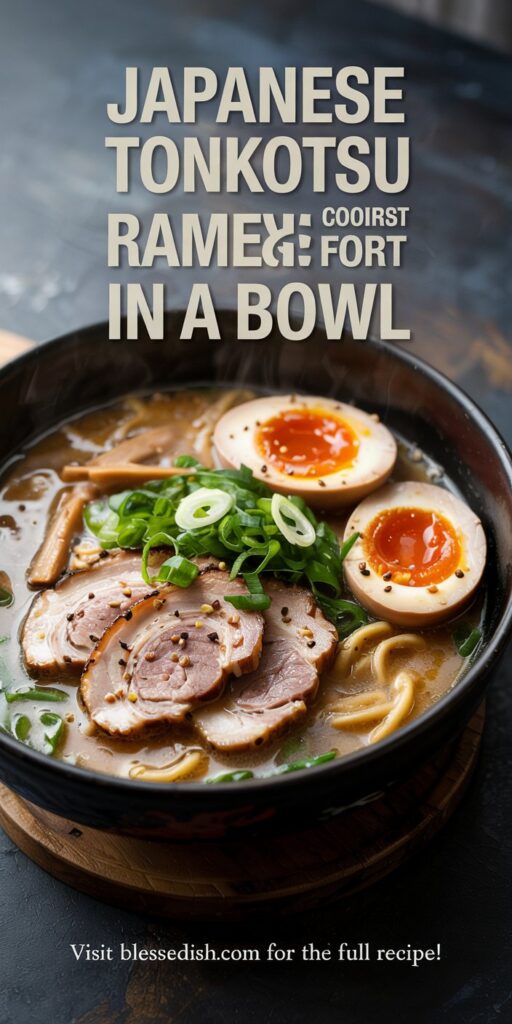
Japanese Tonkotsu Ramen is more than just a meal—it’s an immersive culinary experience that encapsulates the heart and soul of Japanese comfort food. With its luxuriously creamy pork‑bone broth, tender chashu pork, perfectly chewy noodles, and delectable garnishes, this dish offers a multi-layered taste sensation that warms you from the inside out. Every bowl is a testament to the art of slow cooking, the magic of carefully selected ingredients, and the importance of taking time to enjoy a deeply satisfying meal.
I invite you to bring the flavors of Japan into your kitchen with this recipe, experiment with your favorite toppings and techniques, and share your personal twists with our community. Leave your comments below or tag your photos on social media with #TonkotsuRamenMagic to inspire fellow food enthusiasts and celebrate the art of authentic, comforting cuisine.
Enjoy your Japanese Tonkotsu Ramen, savor every exquisite bowl of comfort, and happy cooking!
Bon Appétito!